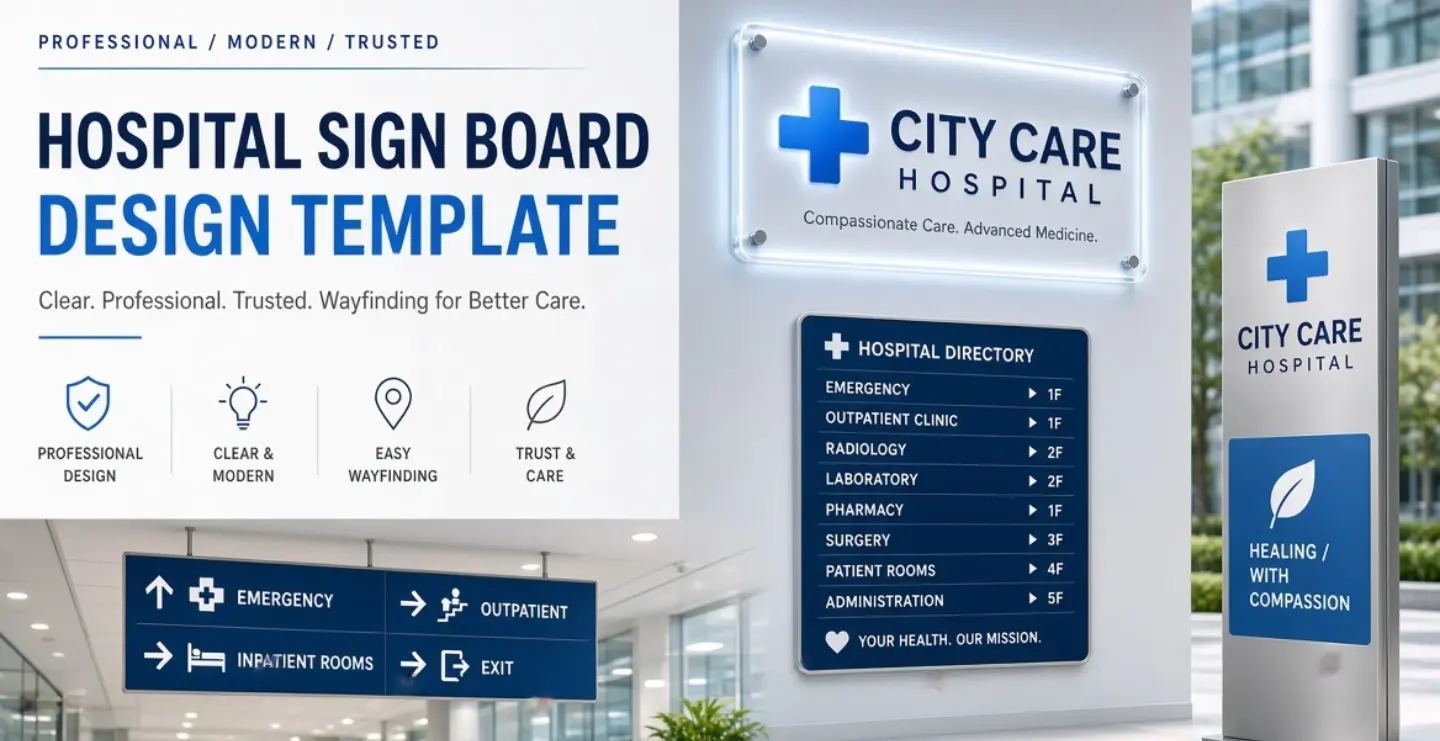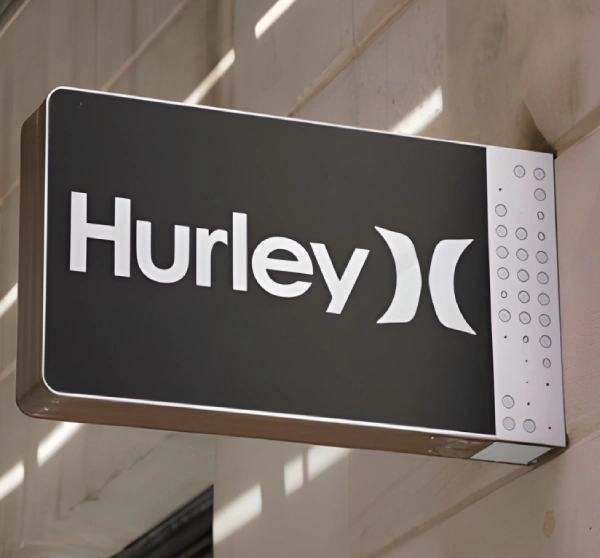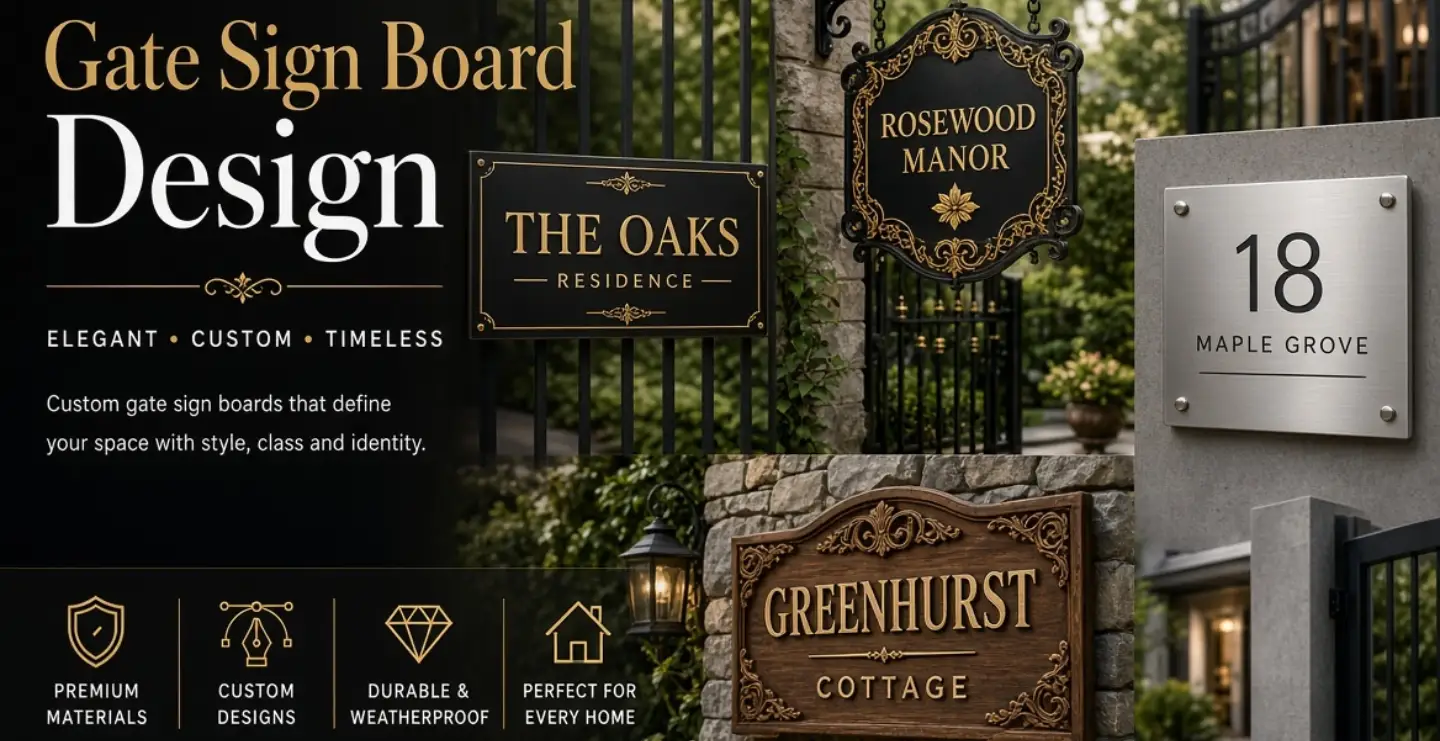
The gate is the handshake of a property. Before anyone enters a home, factory, school, farmhouse, apartment society or warehouse, they meet the gate. A thoughtfully planned gate sign board design introduces the place, guides visitors, communicates rules and adds to the overall look of the property.
This guide covers the essentials of gate signage, including types, materials, layouts, safety messages and practical tips for different kinds of properties.
What Does a Gate Sign Board Do?
A gate sign serves several purposes at once. It identifies the property by name or number, helps visitors and delivery staff find the entrance, communicates important instructions such as parking, speed limits or entry rules, and strengthens the property's identity. For businesses and institutions, it also contributes to security and compliance by showing clear entry and exit information.
Gate Signs for Different Property Types
Homes and Villas
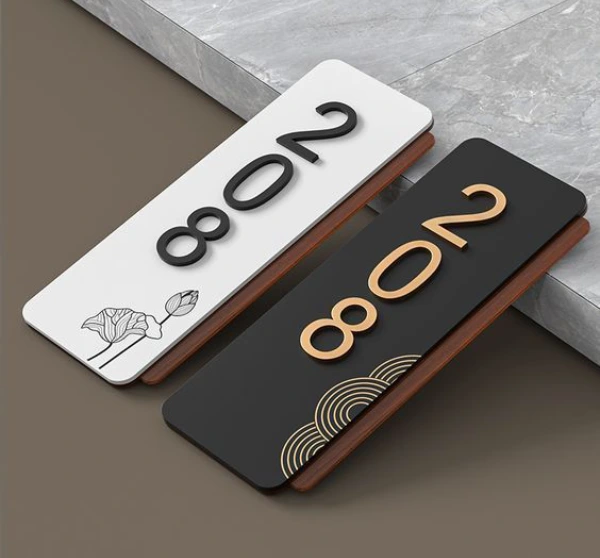
Residential gate signs usually display the family name, house name and number. Style and warmth matter here. Brass, wood or etched steel plates often suit homes. Some owners add a small caution note such as beware of dog or please ring the bell.
Apartments and Housing Societies
These need larger boards showing the society name, logo, block names, visitor entry rules, parking guidance and emergency contacts. A well-organised board reduces confusion for visitors and delivery staff.
Factories and Industrial Units
Industrial gate boards display the company name, address, entry rules and safety instructions such as helmet requirements, speed limit and visitor registration. Durability and clarity are the top priorities.
Schools and Institutions
Schools use gate signs to display the school name, logo and timings, along with safety messages such as drive slowly, no entry without permission and visitor reporting instructions.
Farmhouses and Resorts
These properties benefit from decorative, nature-inspired boards in wood, stone or metal. The gate sign can set the mood of the whole experience, from rustic charm to luxury.
Warehouses and Commercial Complexes
Boards here must be large and clear, often including entry and exit lanes, loading bay directions and security rules.
Choosing the Right Material
- Stainless steel: Strong and rust resistant, suited to modern homes, offices and factories.
- Brass: Adds a classic, premium look for villas, institutions and heritage properties.
- Aluminium and composite panels: Lightweight, weather resistant and economical for large boards.
- Wood: Warm and natural, best for covered or sheltered gates and treated with weatherproof finishes.
- Acrylic: Modern and customisable, often used with LED lighting for a stylish effect.
- Stone and concrete: Used in pillars or compound walls with engraved or metal lettering for a grand, permanent look.
Outdoor gates face rain, sun and dust daily, so weather resistance should guide your choice more than appearance alone.
Design Tips for Gate Boards
Keep the Main Message Clear
Put the name or number in large, bold letters. Secondary information such as rules or contact details can appear below in smaller text. Visitors should know they have reached the right place within a second.
Maintain Strong Contrast
Choose lettering that stands out against the background. Black on a light steel plate, gold on dark stone and white on deep green all work well. Avoid low-contrast combinations that disappear in sunlight or shade.
Match the Architecture
The gate sign should feel like a natural part of the property. A modern minimalist house suits a clean steel plate with simple fonts. A traditional home may suit brass, serif lettering and decorative borders.
Think About Size and Proportion
The board must be proportionate to the gate or pillar. Too small and it gets lost, too large and it looks overpowering. Make a paper mock-up and hold it against the gate to check scale.
Gate Sign Board Placement
Place the sign at eye level on a pillar, or on the gate itself where it is visible to both pedestrians and drivers. Avoid areas blocked by trees, parked vehicles or open gate leaves. For gates that open inward or outward, make sure the sign remains visible when the gate is open. If your property has separate entry and exit gates, mark each one clearly.
Lighting for Night Visibility
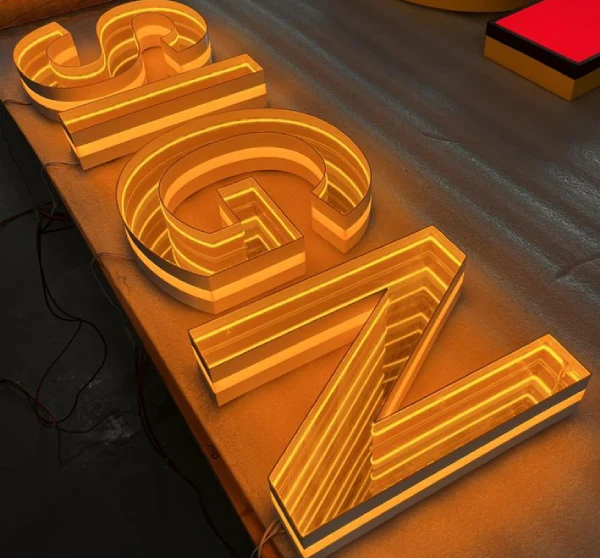
Gates are often approached after dark. A small spotlight, LED strip or backlit sign makes the name and number easy to read. Solar-powered lights are a practical option where wiring is difficult. Keep lighting soft and focused so it does not blind visitors or disturb neighbours.
Safety and Rule Messages
Many gates carry short instructions. Common examples include speed limit, no parking, authorised entry only, visitors must report to security, no photography or caution, children playing. Use simple wording, standard symbols and bold colours such as red, yellow and white to make warnings noticeable. Place rules on a separate board if the main name plate would otherwise become crowded.
Installation Methods
Gate boards can be welded, bolted, screwed or fixed with strong adhesive, depending on material and surface. For metal gates, use rust-resistant fasteners and make sure the sign does not interfere with the gate's movement. For pillars and walls, drill carefully and use suitable anchors. Heavy stone or metal signs may need professional installation.
Maintenance Tips
Clean the board regularly to remove dust, bird droppings and stains. Check fasteners for rust and tighten loose screws. Re-apply protective coating on wood or metal as needed. Replace faded lettering or broken lights promptly to keep the entrance looking cared for.
Creative Gate Sign Ideas
If you want your gate to stand out, consider a few creative approaches. A laser-cut steel plate with a leaf or floral pattern adds elegance to a home entrance. A wooden board with brass letters creates a warm, upscale look. Illuminated 3D letters mounted on a compound wall give a modern, premium feel. Farmhouses can use rough-cut wood or stone with engraved lettering for a natural effect. Apartment societies can combine a large logo, block directions and a small information panel in one organised board. Choose ideas that suit the property rather than copying trends blindly.
Frequently Asked Questions
How big should a gate name plate be?
A home plate is often small to medium, while commercial and industrial boards are much larger. Check the gate or pillar size and hold a paper mock-up in place to judge proportion.
Which material lasts longest outdoors?
Stainless steel, brass and quality aluminium last well outdoors. Wood needs a good protective finish and some shelter from direct rain.
Can a gate sign include a phone number?
Yes, especially for businesses, farmhouses and rental properties. Keep it large enough to read and avoid crowding the board with other details.
Does a gate sign need lighting?
It is not compulsory, but lighting helps visitors and delivery staff find the entrance at night. A small LED spotlight or backlit plate is usually enough and keeps the entrance welcoming and safe.
Final Thoughts
A good gate sign board design combines clarity, durability and style. It helps people find the right place, understand the rules and feel welcome. Whether it is a small name plate for a home or a large board for a factory, careful planning makes the entrance work harder for you every day.
Brand Signages can help you create gate boards in the right material, size and style for your property.