Despite the rise of metal, acrylic, and LED signage, wooden sign boards remain a popular choice for businesses and homes that want a warm, natural, and timeless look. From rustic cafes to boutique hotels and heritage-style homes, a well-designed wooden sign board adds character that few other materials can match. If you are considering wood for your next sign, understanding its design fundamentals will help you get a board that looks beautiful and lasts outdoors.
This guide covers what wooden sign boards are, why their design matters, key design elements, popular styles, and factors to consider before finalising your own.
What Is a Wooden Sign Board?
A wooden sign board is a sign crafted from natural or engineered wood, used to display a business name, house name, logo, or directional information. These boards are commonly made from teak, pine, oak, plywood, or MDF, and are finished with carving, engraving, painting, or routing techniques to add the text and design elements.
Because wood is a natural material, outdoor wooden signs require proper sealing, staining, or varnishing to protect against moisture, pests, and sun damage, especially compared to synthetic materials like acrylic or metal.
Why Wooden Sign Board Design Matters
- Creates a warm, natural, and inviting first impression for customers or guests
- Suits rustic, heritage, and boutique branding styles that other materials cannot replicate
- Offers a distinctive, handcrafted feel that stands out among common metal or acrylic signage
- Can be combined with carving, engraving, or painting for highly customised designs
- Works well for both indoor and outdoor use when properly treated
- Provides an eco-friendly signage option for sustainability-conscious brands
Key Elements of an Effective Wooden Sign Board Design
1. Wood Selection
Hardwoods such as teak and oak offer excellent durability and natural resistance to moisture and pests, making them well suited for outdoor signage, though they come at a higher cost. Softer woods like pine are more affordable but require more diligent sealing and maintenance. Engineered options like marine-grade plywood provide a budget-friendly, moisture-resistant alternative for larger boards.
2. Carving and Engraving Technique
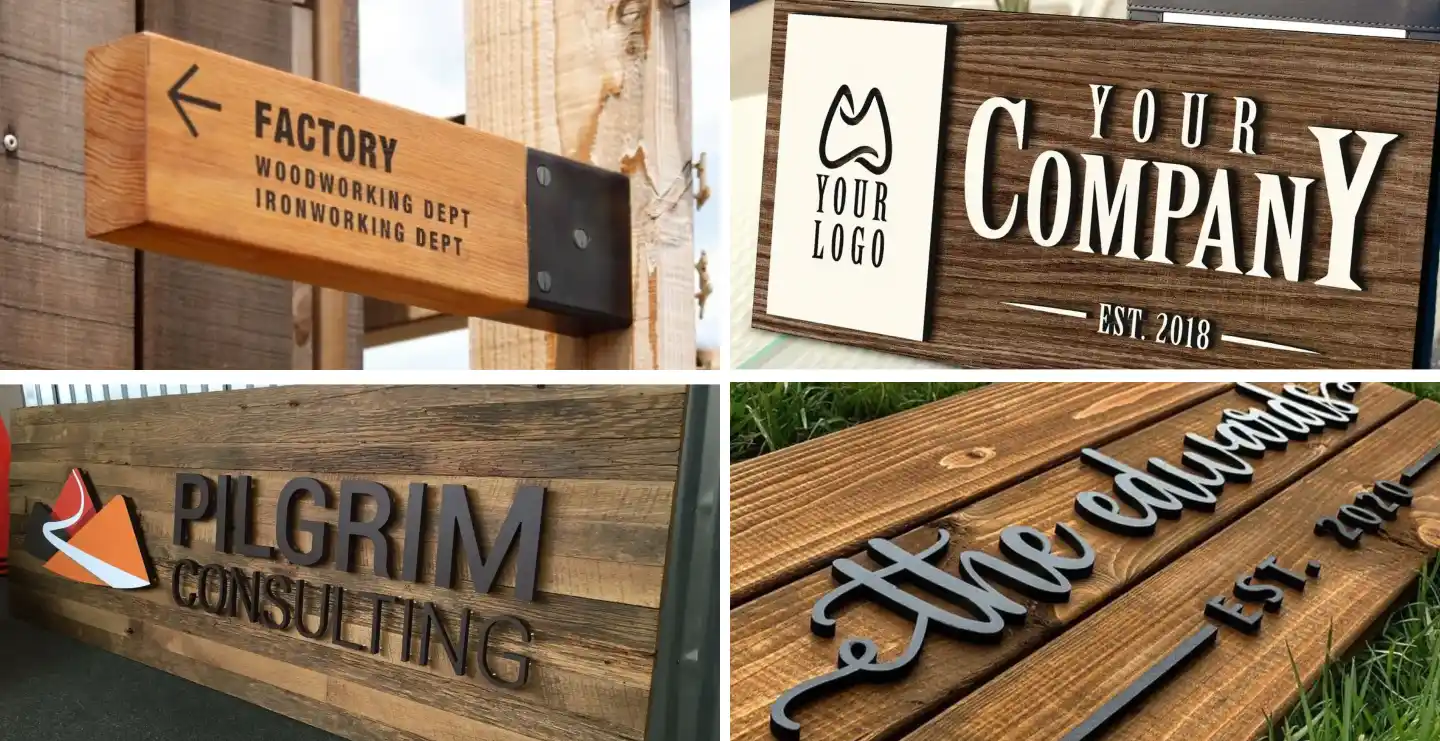
Text and graphics on wooden signs can be hand-carved for a traditional, artisanal look, or laser-engraved and CNC-routed for precise, consistent lettering, especially useful for longer business names or detailed logos. Raised, sandblasted lettering, where the background is carved away to leave the letters standing proud, is another popular technique that adds dimension.
3. Finish and Sealing
A quality outdoor wooden sign needs multiple coats of exterior-grade varnish, stain, or marine sealant to protect against rain, humidity, and UV exposure. Without proper sealing, wood can crack, warp, or develop mould within a single monsoon season, so this step should never be skipped for outdoor installations.
4. Colour and Paint Contrast
Many wooden signs use painted or gilded lettering against a natural or stained wood background to improve legibility from a distance. Gold, white, or black lettering tends to offer the strongest contrast against most wood tones, while metallic leafing adds a premium, upscale touch for boutique or hospitality signage.
5. Mounting and Support
Wood expands and contracts with humidity and temperature changes, so mounting hardware should allow for slight natural movement to prevent cracking. Larger wooden boards typically need a supporting frame or backing to maintain rigidity and resist warping over time.
Popular Wooden Sign Board Styles


- Hand-carved nameplates - traditional, artisanal signs often used for homes, resorts, and heritage properties
- Sandblasted raised-letter signs - dimensional lettering created by carving away the background, popular for cafes and boutiques
- Laser-engraved wooden panels - precise, detailed engraving suited for logos and longer text
- Painted or gilded wooden boards - painted lettering, sometimes with gold leafing, for a vintage or premium look
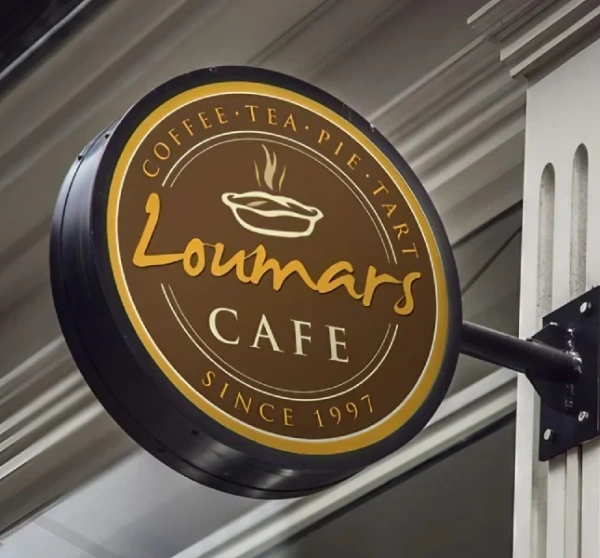
- Rustic hanging signs - wooden boards suspended from a bracket or chain, commonly used for pubs, cafes, and inns
Factors to Consider Before Finalising Your Design
- Climate exposure - coastal, high-humidity, or heavy monsoon regions need extra-durable sealing and pest-resistant wood
- Wood type versus budget - balance the durability of hardwoods against the lower cost of treated softwoods or plywood
- Brand style fit - wooden signage suits rustic, heritage, or natural branding better than sleek, ultra-modern brands
- Maintenance commitment - plan for periodic resealing or repainting, typically every 2 to 4 years, to keep the sign looking fresh
- Legibility needs - ensure carved or painted text has enough contrast to remain readable from the intended viewing distance
Wooden Sign Board Price in India (2026)
Pricing depends on wood type, size, and the complexity of carving or engraving. Here is a general breakdown to help you plan your budget before requesting a detailed quote.
Raw Material Cost
Raw wood costs vary widely by type, typically ranging from Rs. 60 to Rs. 350 per square foot. Marine-grade plywood generally falls between Rs. 60 and Rs. 150 per square foot, while solid teak or oak can range from Rs. 200 to Rs. 350 per square foot depending on thickness and grade.
Fabricated Sign Board Cost
A simple painted or vinyl-lettered wooden sign typically costs Rs. 350 to Rs. 600 per square foot once fabricated and sealed. Hand-carved or sandblasted raised-letter signs generally range from Rs. 700 to Rs. 1,300 per square foot depending on carving detail. Premium laser-engraved or gilded wooden signs can cost Rs. 1,200 to Rs. 2,000 per square foot or more.
| Sign Board Type | Approximate Price per Sq. Ft. |
|---|---|
| Raw marine-grade plywood | Rs. 60 - 150 |
| Raw teak/oak wood | Rs. 200 - 350 |
| Painted/vinyl-lettered wooden sign, fabricated | Rs. 350 - 600 |
| Hand-carved or sandblasted sign, fabricated | Rs. 700 - 1,300 |
| Laser-engraved or gilded sign, fabricated | Rs. 1,200 - 2,000+ |
What Affects the Final Price
- Wood type, ranging from plywood to premium hardwoods like teak
- Carving or engraving technique and level of detail
- Sign size and overall design complexity
- Finishing options such as staining, painting, or gold leafing
- Mounting hardware, including brackets, chains, or frames
These figures are indicative and vary by city, wood availability, and craftsmanship required. Always request a detailed quote based on your exact design and size.
Choosing the Right Sign Board Manufacturer
Wooden signage requires genuine craftsmanship, whether hand-carved or machine-engraved, along with correct sealing to survive outdoor conditions. Choose a manufacturer with proven experience in wood fabrication who can recommend the right wood type and finish for your climate and design goals. Reputable signage companies guide the process from material selection through carving, sealing, and installation to ensure a lasting result.
Final Thoughts
A wooden sign board brings a natural warmth and craftsmanship that few other materials can replicate, making it a lasting choice for businesses and homes with a rustic, heritage, or boutique identity. By selecting the right wood, finish, and carving technique, and by working with an experienced manufacturer, you can create signage that ages gracefully while continuing to make a strong impression.
Frequently Asked Questions
Is wood a good material for outdoor sign boards?
Yes, as long as the wood is properly sealed with exterior-grade varnish or marine sealant and periodically maintained, it can withstand outdoor conditions well for several years.
Which type of wood is best for outdoor signage?
Hardwoods like teak and oak offer the best natural durability and moisture resistance, while treated softwoods and marine-grade plywood provide more budget-friendly alternatives.
How often does a wooden sign board need maintenance?
Most outdoor wooden signs benefit from resealing or repainting every 2 to 4 years, depending on climate exposure, to prevent cracking, fading, or moisture damage.
Can wooden signs be combined with lighting?
Yes, wooden signs are often paired with external spotlights or subtle LED accent lighting to improve visibility at night while preserving the natural, rustic appearance of the wood.