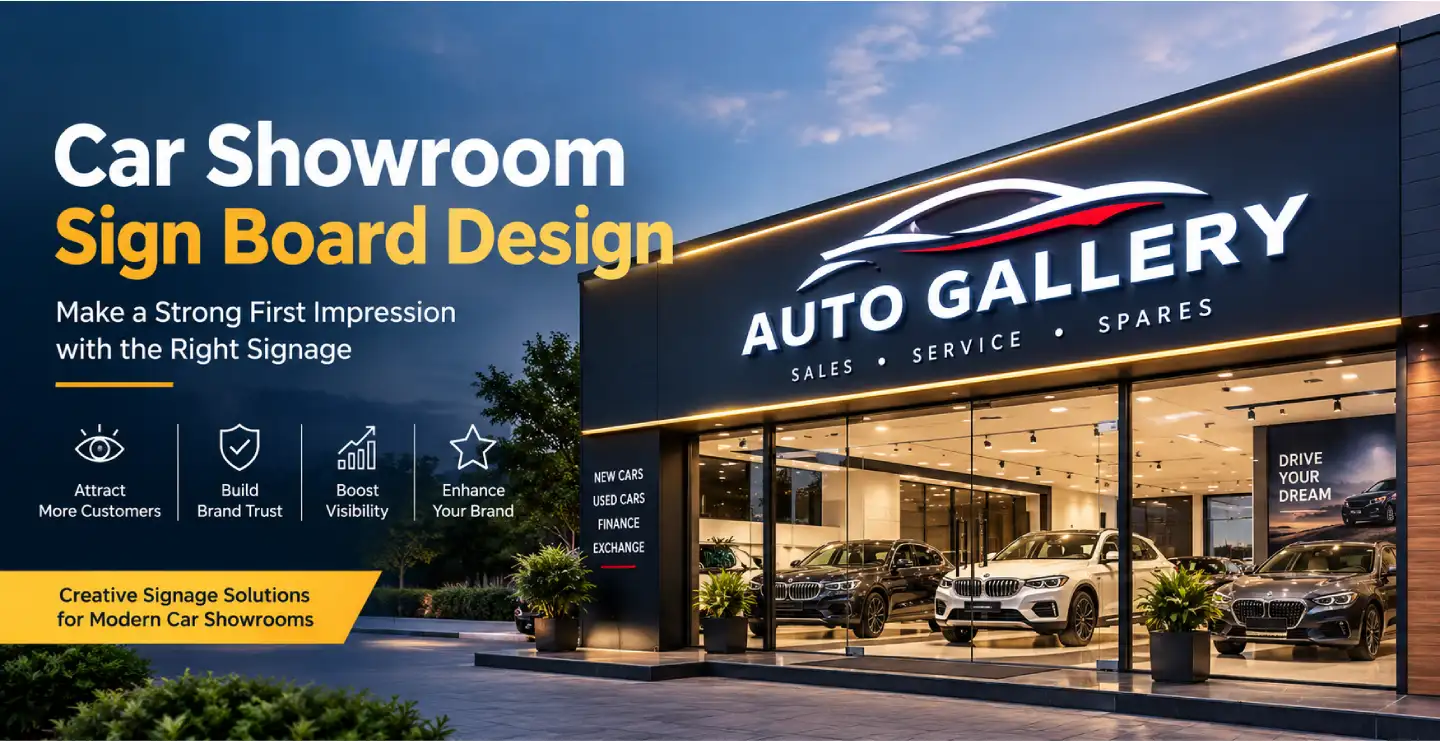
Buying a car is one of the biggest purchases most families make. Before a customer talks to a salesperson, checks a price or sits in a driver's seat, they form an impression from the road. The showroom building, lighting and sign board tell them whether this is a premium, trustworthy dealership. A strong car showroom sign board design turns the outside of your building into a powerful sales tool.
This guide covers the key sign types, design principles, lighting, materials and planning tips for car dealerships, used car showrooms, service centres and multi-brand outlets.
Why Signage Matters for a Car Showroom
Car showrooms compete for attention on busy roads, where vehicles pass at speed. Drivers have only a few seconds to notice your brand, understand what you sell and decide whether to visit. A large, well-lit and well-designed sign makes your showroom easy to spot from far away. It also builds trust. A premium sign suggests a premium product and service experience, while a worn or cluttered sign can reduce confidence.
Types of Signs a Car Showroom Needs


Main Facade Sign
The large brand and dealership name on the front of the building. It is the most important sign and should be visible from a long distance.
Pylon or Totem Sign
A tall freestanding structure near the road showing the brand logo, dealership name and sometimes services. It helps drivers identify the showroom early and prepare to turn in.
Roof-Top or Parapet Signs
Large illuminated letters on the roof edge or parapet that make the showroom visible above surrounding buildings.
Entry and Exit Signs
Clear arrows and labels for customer entry, service entry, test drive route and exit, helping traffic flow safely.
Service Centre Signs
Boards marking service reception, workshop, spare parts, body shop, car wash and delivery area. They organise movement and make the service experience smoother.
Parking and Directional Signs
Boards for customer parking, delivery bays, staff parking and reserved areas. Directional signs should be simple and consistent.
Interior Showroom Signs
Reception counters, model display names, finance and insurance desks, waiting lounge and delivery bay signs. These make the inside as organised as the outside.
Banners and Promotional Displays
Temporary signs for festive offers, new launches and exchange events. They should be easy to update without changing the permanent signage.
Following Brand Guidelines
Many dealerships operate under a car manufacturer's brand and must follow official signage guidelines. These rules typically cover logo size, colours, lighting, placement and material specifications. If you are an authorised dealer, ask for the approved design manual before planning anything. For multi-brand and used car showrooms, you have more creative freedom, but should still maintain consistent branding. Remember that using a manufacturer's logo without authorisation can cause legal issues, so be careful about which brand marks you display.
Design Principles for Car Showrooms
Keep It Clean and Premium
Cars are aspirational products. Minimal, uncluttered signage looks more premium than a crowded board full of offers and phone numbers. Let the brand name and logo dominate.
Think From the Driver's View
Sign readability depends on speed. A showroom on a highway needs larger lettering and simpler messages than one on a quiet city street. Test the design from the road and from the usual approach direction.
Strong Contrast
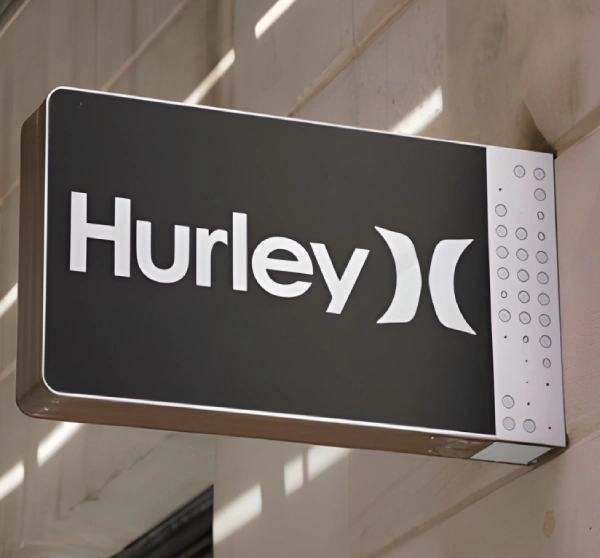
White letters on dark backgrounds, or dark letters on white panels, remain readable in sunlight and at night. If your brand colours have low contrast, use a plain panel behind the logo to improve visibility.
Consistent Identity
Match signage colours, fonts and style with your website, brochures, uniforms and vehicle displays. Consistency makes the dealership feel professional and trustworthy.
Materials Used for Showroom Signs
- Aluminium composite panels (ACP): The standard for facade cladding and sign backgrounds. Lightweight, flat and weather resistant.
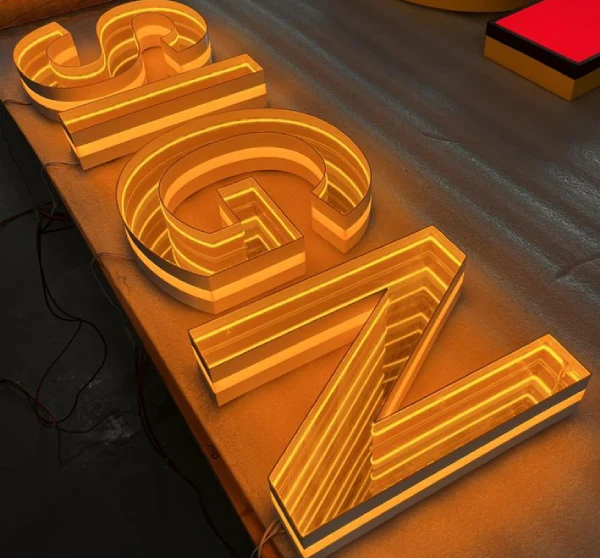
- Acrylic: Used for illuminated letters and faces, available in many colours and finishes.
- Stainless steel and aluminium letters: Durable, premium and suitable for 3D lettering.
- Powder-coated metal structures: For pylons, frames and supports.
- Vinyl graphics: Applied to glass, panels and vehicles for branding and offers.
- Glass: Used for transparent facades with branding on or behind it.
Because showroom signs are large and often installed at height, material strength and corrosion resistance are essential. Use quality fasteners and structural support designed for wind loads.
Lighting: Making the Showroom Shine
Lighting is a major part of car showroom signage. LED backlit letters and illuminated panels make the brand visible from far away at night. Well-lit facades create a premium look and attract attention even after closing time. Choose bright but comfortable lighting, without harsh glare or uneven spots. Cool white is common for modern car brands, while warm tones create a more luxurious feel. Consider the overall showroom lighting as well, including display lights, entrance lighting and parking area lights, so the whole site looks consistent.
Size and Placement
Large signs should be placed high on the facade or parapet where they are visible above traffic and parked vehicles. The pylon should rise above surrounding obstacles and be positioned so drivers see it early enough to slow down. Entry and directional signs should be placed at decision points, such as the gate, the first turn and the parking entrance. Make sure trees, billboards and power lines do not hide your signage, and check that the structure does not interfere with traffic visibility.
Digital and Modern Elements
Many modern showrooms use LED screens inside to show vehicle features, offers and brand videos. Outdoor LED displays can promote launches, but should be used carefully to avoid distracting drivers or breaking local rules. Interactive screens, digital price boards and electronic queue displays can improve the customer experience when combined with clear, consistent static signs.
Permissions and Safety
Large signs, pylons and roof-top structures often require permission from local authorities and building owners. Rules about height, size, illumination and placement vary by location, so check them before production. Structural safety is critical, since large signs face strong winds and weather. Use qualified engineers and installers, ensure proper electrical protection and schedule regular inspections.
Common Mistakes to Avoid
- Overloading the facade with offers and phone numbers.
- Ignoring brand guidelines for authorised dealerships.
- Choosing signs that are too small for the building and road speed.
- Poor lighting that makes the showroom look dull at night.
- Using cheap materials that fade, rust or crack quickly.
- Skipping permissions and structural checks.
Frequently Asked Questions
Which sign type is best for a car showroom?
Illuminated 3D letters on an ACP facade, combined with a pylon sign, is a popular and effective combination because it offers visibility, durability and a premium look.
How tall should a showroom pylon be?
Height depends on road conditions, local rules and surrounding obstacles. It should rise above nearby objects so drivers can see it early.
Can used car showrooms use a simpler sign?
Yes, but it should still look clean and trustworthy. A neat LED board with the showroom name and a short descriptor often works well, with promotions placed on separate banners.
Final Thoughts
A successful car showroom sign board design is large, clear, well lit and consistent with the brand. It helps drivers notice you, builds trust before they step inside and supports a smooth customer journey from the road to the delivery bay. Invest in quality materials, correct lighting and professional installation, and your signage will keep working for your showroom every day.
Brand Signages can help you plan showroom signage that suits your building, brand and budget.