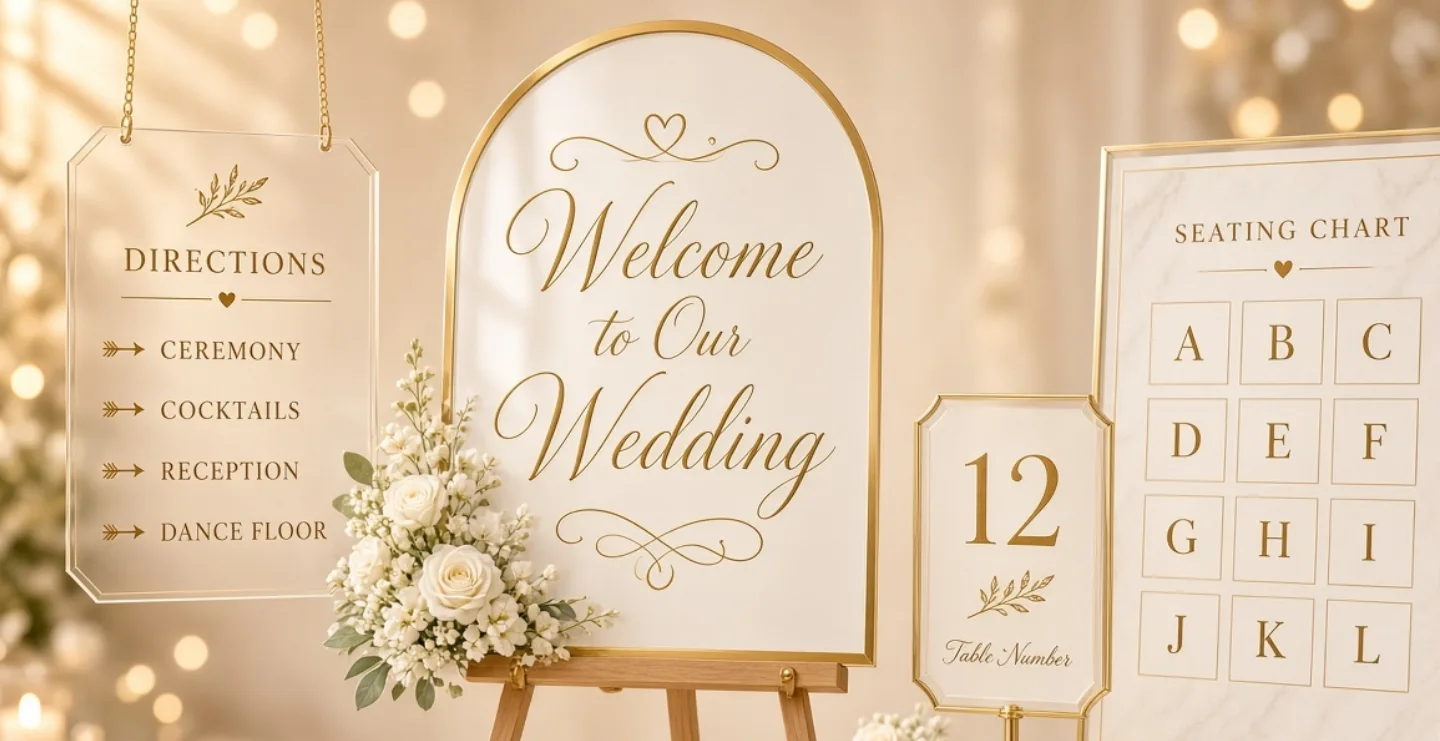
A wedding is a story told through details. Flowers, lights, music and food all matter, but so do the signs that greet guests at the entrance, guide them to the right hall and let them know whose celebration they have joined. A beautiful wedding sign board design sets the mood, helps events run smoothly and gives guests a perfect place to take photos.
This guide covers the types of wedding signs, design ideas, materials, wording tips and planning advice for couples, families, planners and wedding venues.
Why Wedding Signs Matter
Weddings often involve many guests, multiple events and several locations. Signs reduce confusion and let hosts focus on the celebration instead of repeatedly giving directions. They also add to the decor. A well-designed welcome board with the couple's names becomes part of the wedding atmosphere and often appears in countless photographs and videos. Good signage shows that the hosts have planned carefully and care about their guests.
Types of Wedding Sign Boards
Welcome Sign
The most important sign, usually placed at the entrance. It displays the couple's names, the wedding date and a warm greeting. It sets the tone for the entire event and is often the most photographed sign.
Directional Signs
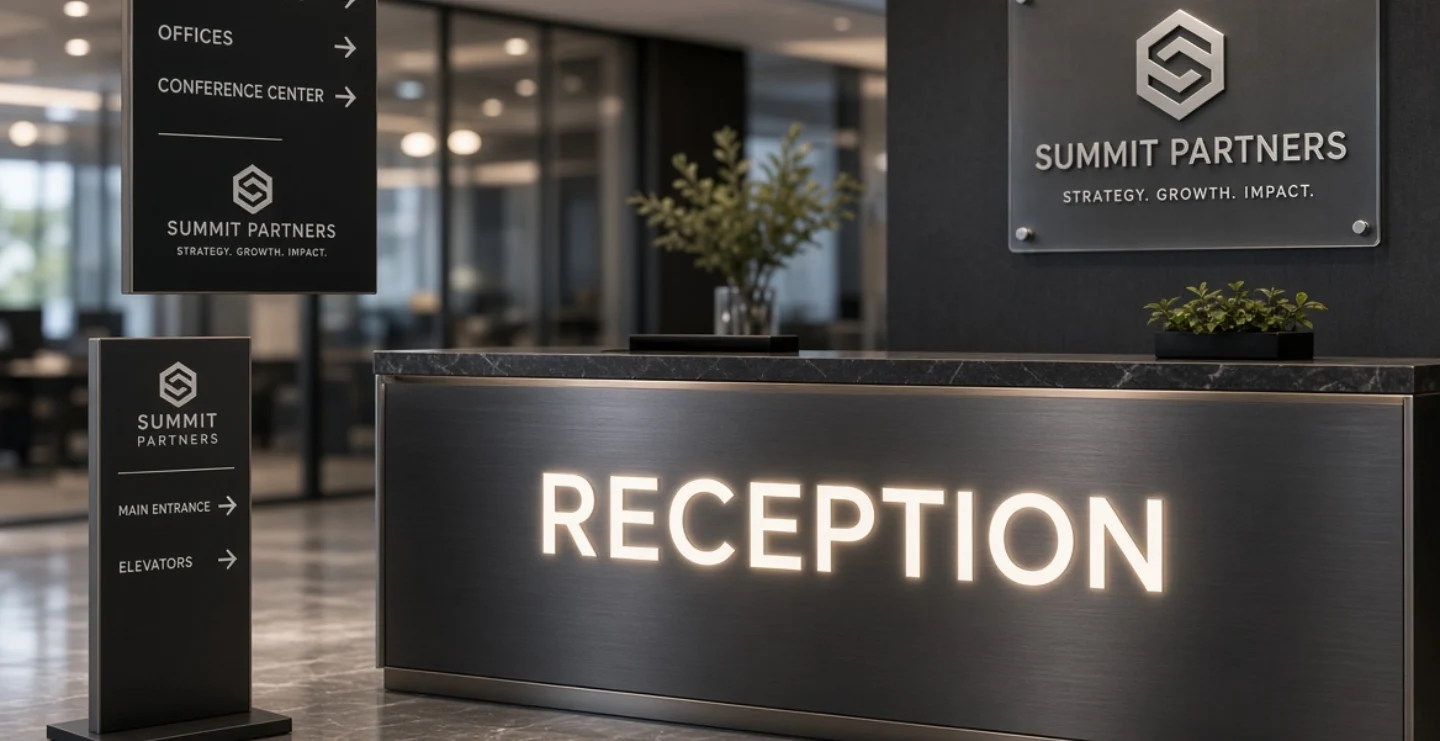
Arrows pointing to the ceremony area, reception hall, dining area, parking, restrooms, cloakroom or guest rooms. These are essential for large venues, farmhouses, resorts and multi-hall banquet complexes.
Seating and Table Signs
Boards showing the seating plan, table numbers or reserved seating for family members. A large seating chart near the entrance helps guests find their place quickly.
Event Schedule Board
A neat board listing events such as mehndi, haldi, sangeet, ceremony, lunch and reception with time and location. This is especially helpful for multi-day weddings.
Photo Booth and Selfie Point Signs
Fun, decorative signs with a hashtag, quote or couple's initials give guests a place to take photos, which also adds colour to the wedding album.
Menu and Food Counter Signs
Labels for food stations, live counters, desserts and beverages. They can match the wedding theme and help guests find their preferred dishes.
Memorial or Tribute Boards
Some families include a small sign or frame remembering loved ones who cannot attend. It can be a gentle, meaningful addition when done with taste.
Choosing a Wedding Theme
Your signs should match the overall wedding theme. A traditional Indian wedding may feature rich reds, maroons and golds, with ornate borders, floral motifs and calligraphy. A modern minimalist wedding might prefer clean white acrylic with simple lettering. A rustic or garden wedding may choose wooden boards, greenery and handwritten fonts. A beach or destination wedding could use light colours, natural textures and playful designs. Decide the theme first, then select colours, fonts and materials that fit it.
Colours That Work for Weddings
Colour sets emotion. Gold, red and maroon feel royal and festive. Pastel shades such as blush, mint and lavender create a soft, romantic mood. White and ivory suit elegant, minimal designs. Deep green and brown work well for rustic themes. Whatever palette you choose, maintain contrast so the text can be read easily in venue lighting. Gold lettering on a dark background looks magnificent, but may be harder to read on a light background. Test the design in real venue conditions if possible.
Typography for Wedding Signs
Wedding signs often use elegant scripts for the couple's names and a simpler font for details. This combination gives beauty without sacrificing readability. Calligraphy is lovely, but make sure the letters are large and clear. Avoid overly decorative styles for important information such as directions and timings. If your guests speak different languages, include a second language in a neat, balanced layout.
Material Options
- Acrylic: Sleek and modern, available in clear, white, mirror and coloured forms. Laser-cut letters and printed designs look elegant.
- Wood: Warm and natural, ideal for rustic and traditional themes. Can be painted, engraved or carved.
- Foam board and printed panels: Lightweight and economical for temporary signs, though less durable for outdoor use.
- Flex and fabric banners: Suitable for large entrance backdrops and gate signs, usually used for one event.
- Metal and iron frames: Strong and decorative, often used for stands and arches that hold welcome boards.
- Mirror and glass boards: Elegant for seating charts and premium weddings, but need careful handling.
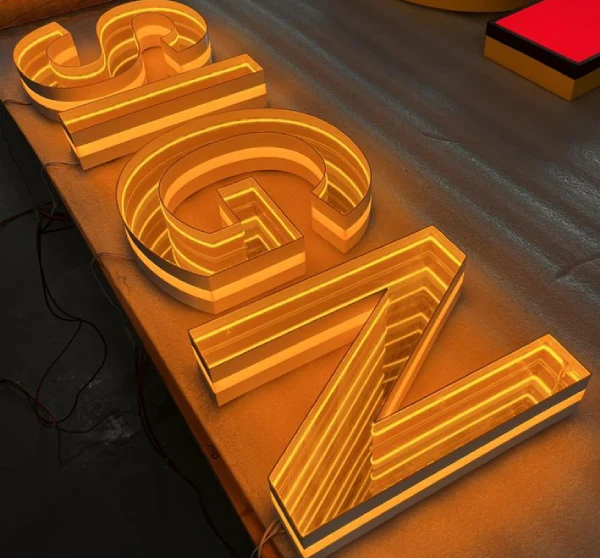
- Neon-style LED signs: A popular modern touch for names, hashtags and photo booth areas.
Design Ideas to Consider
For the entrance, a large welcome board on an easel surrounded by flowers is a classic choice. A floral arch with a hanging name sign creates a dramatic entry. A mirror seating chart with gold lettering feels luxurious. Neon-style initials of the couple, lit softly, create a stylish backdrop for photos. Wooden arrows with painted lettering give a charming rustic route through a garden venue. For traditional weddings, a decorative frame with traditional motifs around the couple's names can echo the invitation card design.
Wording Tips
Keep text short and warm. A welcome sign might include the couple's names, the date and a simple greeting. Directional signs should use plain words such as ceremony, dining, parking and restrooms. Avoid long messages that guests will not read. Check spellings of names, dates and venue details several times, and ask a family member to proofread. A spelling error on a large board is very noticeable in photos.
Size, Placement and Visibility
Entrance signs should be large enough to be seen from a distance and positioned where guests naturally pause. Seating charts need space around them so several people can read at once. Directional signs should be placed at corners and decision points, not hidden behind decor. Consider lighting too. Evening weddings need spotlights or built-in LED lighting so signs are readable after dark. Avoid placing signs in harsh glare or shadow.
Planning Timeline
Start planning signage early. A few weeks before the wedding, finalise the theme and list the signs you need. Share the venue layout with your designer so sizes and quantities are accurate. Approve digital proofs carefully, then allow time for production and delivery. On the wedding day, assign someone to place the signs according to a simple plan so the setup is smooth and stress-free.
Reusing and Keeping Your Signs
Many couples keep their welcome board or wooden signs as keepsakes for their new home. Durable materials such as acrylic, wood or metal can be reused for anniversaries or home decor. If sustainability matters to you, consider designs that avoid single-use materials where possible.
Common Mistakes to Avoid
- Choosing beautiful scripts that guests cannot read.
- Leaving out directional signs for large venues.
- Ignoring lighting in evening events.
- Using too many different styles and colours.
- Ordering too late and rushing the design approval.
- Skipping proofreading of names and dates.
Frequently Asked Questions
How many signs does a wedding need?
It depends on the venue and number of events. Most weddings need at least a welcome sign and a few directional signs, with extras such as seating charts, menu boards and photo signs as needed.
Which material is best for a wedding welcome board?
Acrylic and wood are popular because they look elegant and can be reused. Foam board is cheaper but better for short-term use.
Can wedding signs match the invitation design?
Yes, and they should. Using the same colours, fonts and motifs creates a unified look from invitation to venue.
Final Thoughts
Wedding sign board design is a blend of beauty and practicality. When signs are well designed, they welcome guests, guide movement and add to the visual story of the celebration. Plan early, choose a theme, prioritise readability and select materials that suit your venue and budget.
Brand Signages can help you design wedding signs that match your theme, from elegant welcome boards to neon-style photo backdrops and directional signage.