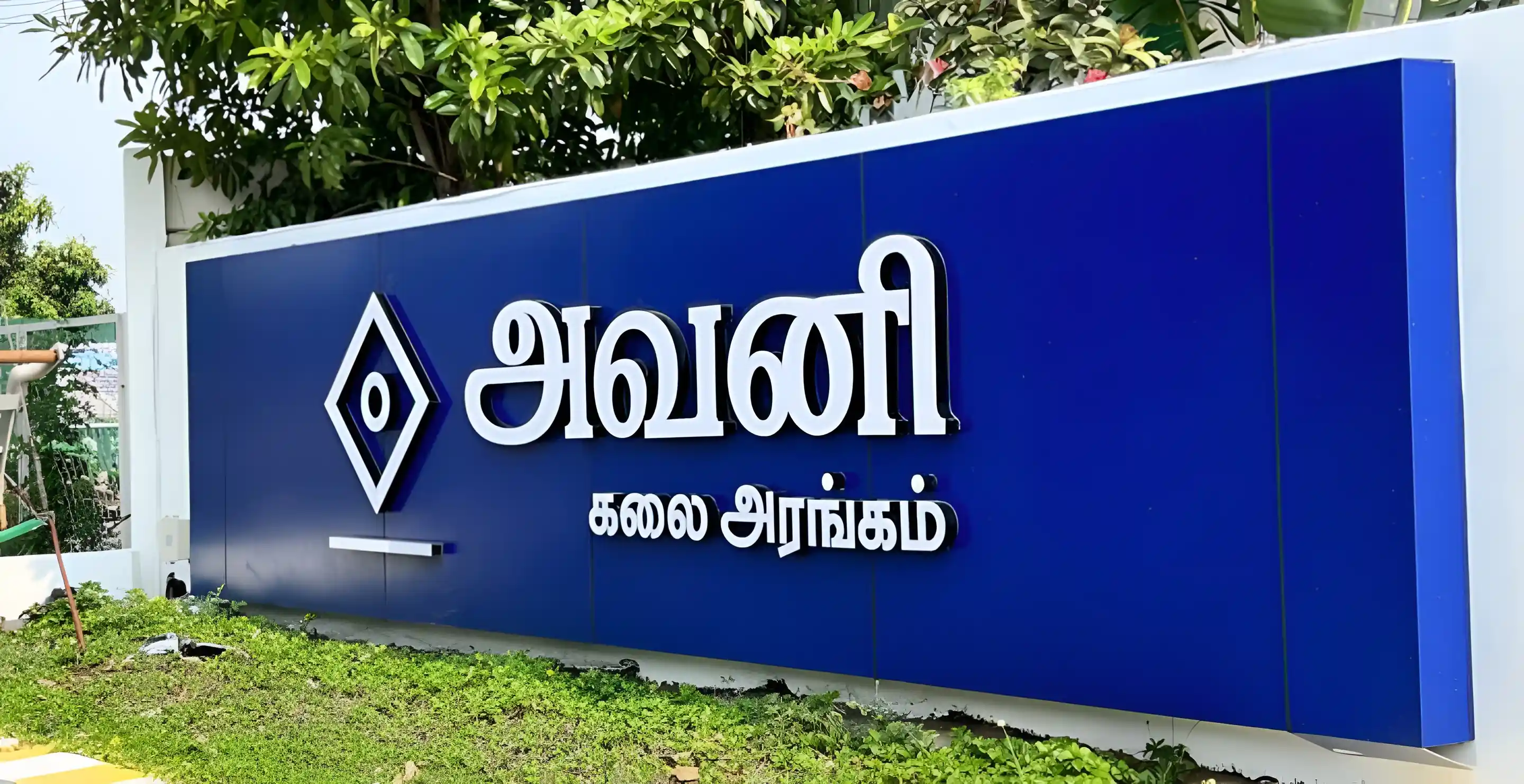
A name board is more than a plate outside your door. In Tamil culture, it carries identity your family name, your faith, your pride of place. Whether it hangs outside a home in Chennai, a shop in Coimbatore, or a temple in Madurai, a Tamil name board is often the first thing anyone sees. And that first impression matters.
This guide covers everything you need to know about Tamil name boards the different styles and materials available, what makes a good design, how to care for it, and how to get one made that you will be proud of for years.
What Makes a Tamil Name Board Different?
Tamil name boards are distinct for one obvious but important reason the script. Tamil is one of the oldest classical languages in the world, and its letterforms are rounded, flowing, and visually striking. A well-made Tamil name board shows off those curves beautifully.
Beyond the language, Tamil name boards often reflect cultural values. Homes commonly include a family surname along with a house name or village name. Shops and businesses use them to signal professionalism and local identity. Temples and places of worship invest in name boards that feel grand and reverent.
All of this means that a Tamil name board is not just a label it is a statement.
Pro tip: If your name board will be read from a distance like outside a shop or temple gate always opt for a larger font size and high contrast between the text and background.
Popular Tamil Name Board Styles
There is no single right style for a Tamil name board. The best choice depends on where it will be placed, what it will be used for, and the look you want to achieve.
1. Traditional Carved Wooden Name Boards

Wooden name boards have been a staple of Tamil homes for generations. Teak, rosewood, and jackwood are popular choices, prized for their grain, durability, and deep colour. The Tamil letters are either carved directly into the wood or painted in contrasting gold or white.
These boards suit traditional and heritage-style homes, especially those with tile roofs, courtyard layouts, or classic architectural details. They age gracefully, developing a patina that only adds character over time.
- Best for: traditional homes, heritage bungalows, ancestral properties
- Typical lifespan: 10–20 years with occasional oiling
- Care: keep away from direct rain; oil once a year
2. Acrylic Name Boards with Tamil Lettering

Acrylic has become one of the most popular materials for name boards across India, and Tamil name boards are no exception. It is lightweight, weather-resistant, and available in a huge range of colours. Laser-cut acrylic allows for very precise Tamil letterforms, which is important given the curves of the script.
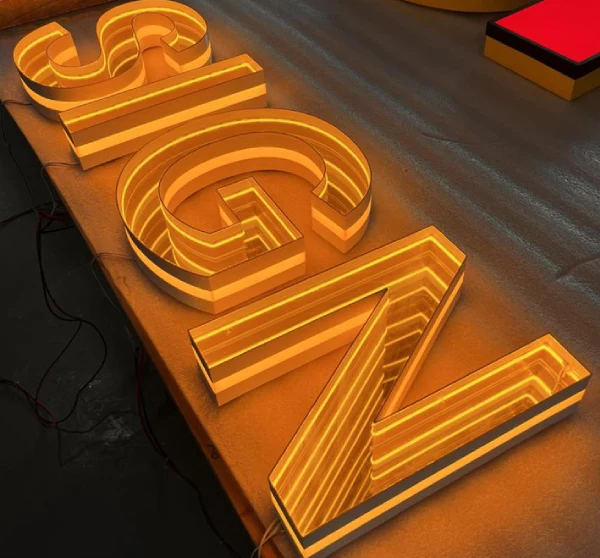
For homes and offices, frosted acrylic with engraved Tamil text looks refined and modern. For shops, glossy coloured acrylic with backlit lettering creates strong visual impact.
Brand Signages offers a full range of custom acrylic signboards that can be crafted with Tamil lettering to suit residential, commercial, and institutional needs.
- Best for: modern apartments, offices, retail shops, clinics
- Typical lifespan: 7–10 years outdoors; longer indoors
- Care: wipe with a damp cloth; avoid abrasive cleaners
3. Metal Name Boards

For those who want something that communicates permanence and class, metal name boards are the ideal choice. Stainless steel, brass, and aluminium are the most commonly used materials.
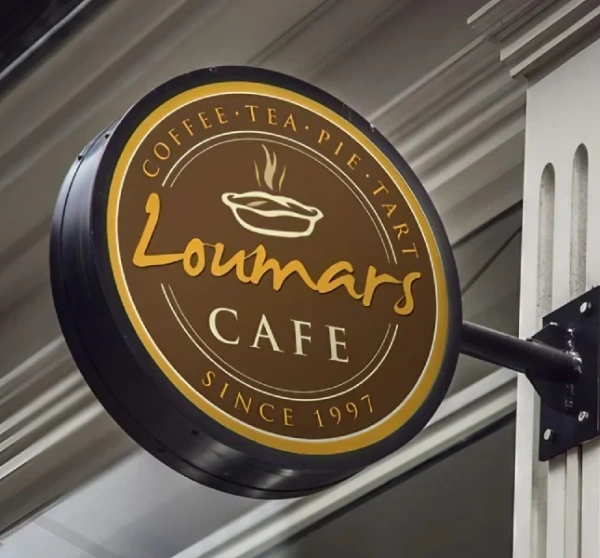
Stainless steel name boards look sleek and modern ideal for new constructions and gated communities. Brass name boards carry a warmth and luxury feel often associated with older professional establishments and temples. Aluminium is lighter and more affordable, making it a practical choice for shops and commercial spaces.
Explore the full range of metal and steel signage options that work beautifully with Tamil script.
- Best for: independent houses, bungalows, offices, banks, temples
- Typical lifespan: 15–25 years
- Care: polish occasionally; wipe dry after rain
4. Stone and Granite Name Boards
In Tamil Nadu particularly, granite name boards are a deeply respected tradition. Granite is quarried abundantly in the state, and its use in architecture from temple floors to home pillars is widespread. A granite name board with chiselled Tamil letters feels rooted, solid, and timeless.
These are most commonly seen at the entrances of independent houses, temples, and ancestral homes. The letters are usually painted in white or gold after chiselling to improve readability.
- Best for: independent houses, temples, ancestral properties
- Typical lifespan: decades with minimal maintenance
- Care: occasional cleaning with water; re-paint lettering as needed
5. Door Name Plates for Flats and Apartments

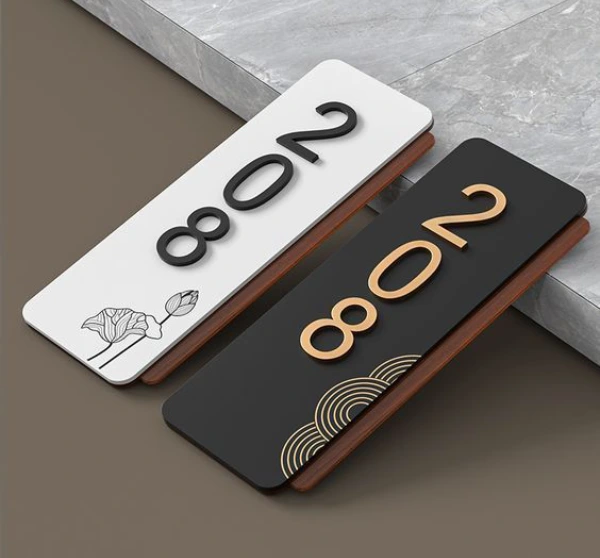
For those living in apartments or gated communities, a door name plate serves a more compact purpose. These are typically 6 to 12 inches wide and carry the family name, flat number, or both often in Tamil with an English transliteration.
Acrylic, metal, and even wooden door plates are popular. Some residents also choose custom door signboards that include decorative motifs, kolam patterns, or religious symbols alongside the name.
- Best for: apartments, flats, gated communities
- Typical size: 6" × 3" to 12" × 6"
- Care: minimal wipe clean regularly
How to Choose the Right Tamil Name Board
With so many materials and styles available, it can be hard to know where to start. These practical questions will help you narrow down the right choice.
Where will it be placed?
Outdoor name boards need to withstand heat, rain, and UV exposure. Materials like stainless steel, powder-coated aluminium, and UV-stabilised acrylic are good choices. Indoor name boards for offices or lobbies can use more delicate materials like frosted glass, polished brass, or engraved wood.
How far away will it be read?
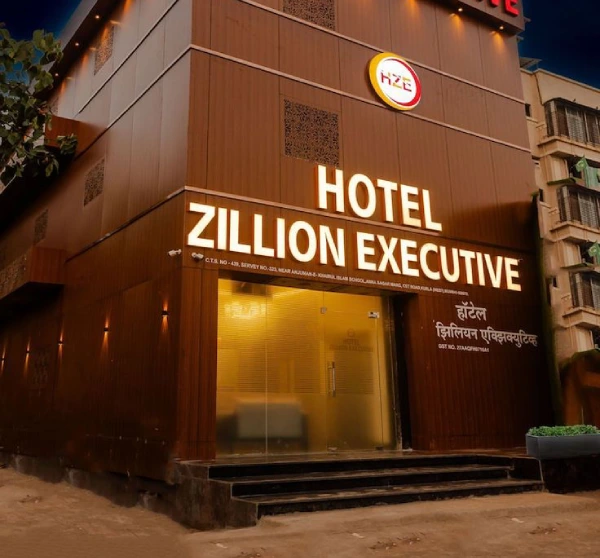
A shop name board read from across the road needs large text 3 to 6 inches tall for Tamil letters and high colour contrast. A home door plate read up close can use smaller, more intricate lettering. Always confirm the minimum readable distance before finalising the size.
What language combination do you need?
Most Tamil name boards include Tamil script as the primary text. Many also add English or a local language alongside. If the name board will be used in a multilingual neighbourhood or city, including both Tamil and English ensures everyone can read it.
What is your budget?
Tamil name boards range widely in price depending on material and size. A basic acrylic door plate might cost a few hundred rupees, while a large custom granite or brass name board for an independent house entrance can run into several thousands. It is worth investing in quality a good name board lasts decades.
Pro tip: Always ask your signage maker for a digital proof or mockup before production. Seeing your name in Tamil script on screen first helps you catch any spelling mistakes or design issues before they are carved in stone literally.
Tamil Name Board Design Tips
A well-designed Tamil name board is readable, attractive, and appropriate for its setting. Keep these design principles in mind:

- Choose a clear and traditional font. Tamil script has many beautiful typefaces. Avoid overly decorative fonts that reduce legibility at a distance.
- Use high contrast. Dark text on a light background or vice versa is easiest to read. Avoid placing similar colours together, for example red text on an orange background.
- Keep the layout simple. The name should be the hero. Avoid cluttering the board with too many decorative elements that distract from the text.
- Align the Tamil text carefully. Tamil script has specific vertical proportions the top arc, the body, and the descenders. Make sure the text is positioned with enough breathing room above and below.
- Use the right size. Measure your wall or door space before ordering and confirm that the name board will fit without looking cramped or too small.
Caring for Your Tamil Name Board
A good name board is an investment. With a little care, it can look great for many years.
Wooden name boards
Keep wooden boards protected from direct rain by placing them under an overhang or using a weather-resistant finish. Oil or polish the wood once a year to prevent cracking. If the painted lettering fades, repaint rather than replace.
Acrylic name boards
Acrylic boards are low-maintenance but scratch easily. Clean with a soft microfibre cloth and mild soap. Avoid rough sponges or abrasive cleaners. If the board yellows over time due to UV exposure, a replacement panel is usually inexpensive.
Metal name boards
Stainless steel and aluminium boards need the least attention. A periodic wipe with a damp cloth is usually enough. Brass boards benefit from occasional polishing to retain their shine. If rust appears on steel edges, lightly sand and apply a rust-inhibiting paint.
Stone and granite name boards
Granite is the most forgiving material of all. Wash with water when dusty. If the carved letters look faded, a fresh coat of white or gold paint restores them completely.
Getting a Custom Tamil Name Board Made
A custom Tamil name board allows you to choose every detail the material, font style, size, colour, finish, and mounting method. Here is what the process typically looks like when working with a professional signage maker:
- Share your requirements name, preferred language, size, and where it will be mounted
- Review a digital proof or mockup of the name board design
- Approve the design and confirm materials and finish
- Production typically takes 3 to 7 working days depending on material
- Delivery and installation, if required
Brand Signages designs and manufactures custom name boards for homes, offices, shops, and temples across India. Their team handles outdoor signage, indoor signage, and everything in between with delivery and installation available nationwide.
Frequently Asked Questions
What is the standard size for a Tamil name board at home?
For most independent house entrances, a name board between 18 to 24 inches wide and 8 to 12 inches tall works well. Door plates for apartments are smaller usually 6 to 12 inches wide. Always measure your available wall space first.
Can I get a Tamil name board with both Tamil and English text?
Yes, absolutely. Bilingual name boards with Tamil as the primary script and English below it are very common and practical, especially for homes in cities or mixed-language neighbourhoods.
Which material lasts the longest for an outdoor Tamil name board?
Granite and stainless steel are the most durable choices for outdoor use. Both handle heat, rain, and UV exposure exceptionally well. Acrylic with UV-resistant coating is a more affordable option that also holds up well outdoors.
How long does it take to get a custom Tamil name board made?
Production time varies by material. Acrylic name boards typically take 2 to 4 working days. Metal and stone boards may take 5 to 10 days depending on the complexity of the design.
How do I avoid spelling mistakes on my name board?
Always request a digital proof before production begins. Review the Tamil spelling carefully yourself, and if possible, have a Tamil-speaking family member or friend review it too. Reputable signage makers will send a proof as a standard part of the process.
Final Thoughts
A Tamil name board is one of those small details that makes a home, shop, or institution feel complete. Done well, it is a quiet expression of pride in your name, your language, and your identity.
Whether you prefer the warmth of carved wood, the precision of laser-cut acrylic, the permanence of granite, or the elegance of brushed metal, there is a Tamil name board style that fits your space and your budget. The key is choosing quality materials, a clear and readable Tamil font, and working with a signage maker who understands the craft.
If you are looking for a custom Tamil name board, Brand Signages offers professional design, quality manufacturing, and delivery across India. Reach out to their team to get started with a design consultation.