Choosing the right sign board stand is one of the most important decisions for businesses, retailers, events, and organizations looking to display signage effectively. A well-designed sign board stand does more than hold a sign; it ensures stability, enhances visibility, supports brand presentation, and creates a professional impression. If you are planning to install new sign board stands or upgrade existing ones, understanding the fundamentals of sign board stand design can help you make smarter, more durable choices.
In this guide, we will walk through what sign board stands are, why proper design matters, the key elements that make them effective, and the factors you should consider before installation.
What Is a Sign Board Stand?
A sign board stand is a structural support system designed to hold and display sign boards in outdoor or indoor environments. These stands serve as the foundation for various types of signage, from retail displays and directional signs to promotional boards and wayfinding systems. Sign board stands are typically made from durable materials such as aluminium, steel, wood, acrylic, or composite materials, engineered to provide stability and longevity in different environmental conditions.
Because sign board stands must support the weight of signs while resisting wind loads, vibrations, and environmental stresses, they are engineered with structural calculations and reinforced joints. Stands can be temporary or permanent, portable or fixed, and designed for specific mounting requirements. Finishes are often applied using powder coating, painting, or protective treatments to ensure corrosion resistance and long-term durability.
Why Good Sign Board Stand Design Matters
Business owners, event organizers, and property managers prioritise proper sign board stand design for several practical reasons:
- Provides secure, stable support preventing sign collapse or tipping hazards
- Ensures sign visibility at optimal height and angles for target audiences
- Protects sign boards from damage caused by wind, vibration, or environmental stress
- Reduces maintenance and replacement costs through superior structural integrity
- Enhances professional appearance and brand presentation
- Enables flexible repositioning for promotional campaigns and seasonal changes
- Supports regulatory compliance with safety standards and building codes
- Accommodates multiple sign board sizes and configurations
These qualities make well-designed sign board stands essential for retail, hospitality, events, real estate, and any business relying on effective signage display.
Ask Instant Pricing from Expert Signage Board Designers
Contact Now →Key Elements of an Effective Sign Board Stand Design
A professionally designed sign board stand is not just about supporting weight. Several structural and design elements work together to create stands that are stable, functional, and visually appropriate.
1. Structural Stability and Load Calculation
The foundation of any sign board stand is structural stability. Engineers must calculate the total weight of the sign board, accounting for materials, graphics, and weather exposure. Wind load calculations are critical; a large sign facing wind resistance can experience forces several times its own weight. The stand must be engineered to distribute loads evenly through reinforced joints, cross-bracing, and a solid base. Ground conditions matter significantly—sandy soil requires deeper footings than concrete surfaces. Proper engineering prevents dangerous tipping, swaying, or structural failure.
2. Material Selection and Corrosion Resistance
Sign board stands must withstand outdoor elements including rain, sun, temperature fluctuations, and humidity. Aluminium is popular for its lightweight strength and natural corrosion resistance. Steel offers superior load-bearing capacity but requires protective coatings to prevent rust. Stainless steel provides premium corrosion resistance ideal for coastal or chemically aggressive environments. Wood stands offer aesthetic appeal but require regular maintenance and treatment. Composite materials combine durability with low maintenance. Material choice should balance durability requirements with budget and aesthetic considerations.
3. Base and Footing Design
The base is the critical foundation determining stand stability. Wider bases with greater surface area improve stability and reduce tipping risk. Deep ground footings or foundation anchors ensure stands resist uplift forces and wind loads. Concrete foundations should be properly cured and sized according to soil conditions. Removable base plates allow for repositioning while maintaining structural integrity. The base must accommodate the sign board weight plus safety factors for environmental stress. Proper drainage around footings prevents water accumulation and soil erosion.
4. Mounting and Adjustability Options
Sign board stands require secure mounting systems holding boards at correct angles and heights. Adjustable mounting brackets allow angle modification for optimal visibility and light reflection. Quick-release mechanisms enable fast sign changes for promotional campaigns. Swivel connections allow signs to rotate, useful for double-sided stands or changing display angles. Height adjustability accommodates different sign sizes and viewing distances. Mounting systems should be tool-free or require minimal effort for easy maintenance and updates.
5. Aesthetics and Brand Alignment
While function is primary, stands must look professional and align with brand identity. Powder-coated finishes in brand colours create cohesive visual presentation. Decorative top pieces or branded elements can elevate simple stands into branded displays. Clean lines and finished edges prevent a makeshift appearance. The stand's visual weight should be proportional to the sign board size. Aesthetic design choices make stands complement rather than detract from signage message and brand image.
Popular Sign Board Stand Design Types
Depending on your application and requirements, you can choose from several common sign board stand designs:
- A-frame stands - portable, double-sided designs ideal for temporary displays, retail promotions, and sandwich board signage
- Pole-mounted stands - vertical posts supporting single or double boards, common for directional signs and street-level displays
- Pedestal stands - weighted base supports with central column, suited for lobby displays, mall directories, and indoor signage
- Post-and-arm stands - extending arms mounted on vertical posts, ideal for projecting signs over walkways and entrances
- Ground-mounted structures - permanent installations with deep concrete footings, used for large directional signs and monument boards
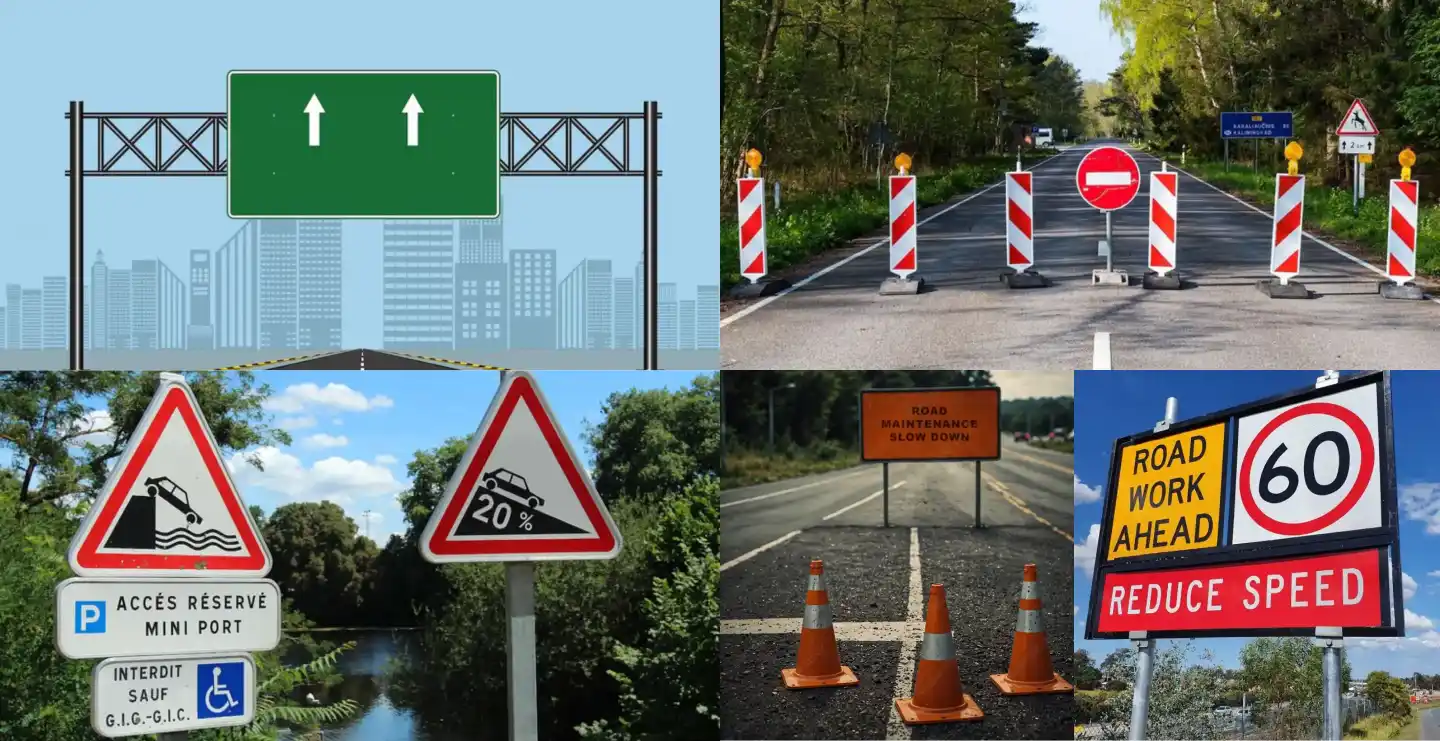
- Gantry structures - overhead frameworks spanning roads or wide spaces, essential for highway signage and large-scale displays
- Wall-mount brackets - fixed supports attached to building facades, ideal for wall-mounted signage and space-saving applications
- Magnetic or adhesive mounts - temporary solutions for vehicle signage and removable displays
- Rotating or animated stands - motorized supports creating dynamic displays with moving or spinning signs
- Modular systems - interchangeable components allowing flexible configurations for various sign sizes and layouts
Factors to Consider Before Finalising Your Stand Design
Before you approve a final sign board stand design, keep these practical points in mind:
- Sign board size and weight - accurately calculate total weight including materials, graphics, and any illumination
- Environmental conditions - assess wind exposure, temperature extremes, humidity, salt air, or pollution in your location
- Installation location - determine ground type (soil, concrete, asphalt), space availability, and visibility requirements
- Permanence and flexibility - decide whether the stand should be permanent, semi-permanent, or portable for campaign changes
- Visibility and height - ensure the stand positions the sign at optimal heights for intended viewing distance and angles
- Local regulations and permits - check municipal requirements for stand height, foundation depth, setback distances, and safety standards
- Structural engineering - invest in professional calculations for wind load, soil conditions, and foundation design
- Aesthetic alignment - choose finishes, colours, and decorative elements matching your brand and surrounding environment
- Maintenance accessibility - plan for safe, easy access to clean, repair, or update signage without disrupting operations
- Budget and longevity - balance upfront costs with expected service life and total cost of ownership
Sign Board Stand Price in India (2026)


Pricing for sign board stands varies significantly based on design type, materials, size, load capacity, and installation complexity. Here is a comprehensive breakdown to help you budget before requesting a detailed quote.
Raw Material Cost
Basic materials for stand construction typically cost between Rs. 30 and Rs. 150 per kilogram depending on material type and grade. Standard aluminium tubing ranges from Rs. 40 to Rs. 90 per kilogram. Steel structures cost Rs. 35 to Rs. 75 per kilogram depending on grade. Stainless steel commands premium pricing at Rs. 120 to Rs. 200 per kilogram. Wood and composite materials range from Rs. 50 to Rs. 180 per kilogram. Fasteners, brackets, and hardware add Rs. 500 to Rs. 3,000 per stand depending on complexity.
Fabricated Sign Board Stand Cost
Once materials are combined with fabrication, finishing, and assembly, stand prices increase. Basic portable A-frame stands generally range from Rs. 2,000 to Rs. 5,000. Standard pole-mounted stands with single-board capacity typically cost Rs. 5,000 to Rs. 12,000. Double-sided pole stands with dual mounting capability range from Rs. 8,000 to Rs. 15,000. Pedestal stands with weighted bases cost Rs. 6,000 to Rs. 14,000. Post-and-arm extending designs range from Rs. 10,000 to Rs. 20,000. Ground-mounted structures with concrete footings and permanent installation typically cost Rs. 15,000 to Rs. 40,000 depending on size and load capacity. Gantry and large-scale structures command custom pricing starting from Rs. 50,000 and upwards.
| Sign Board Stand Type | Approximate Price Range (INR) |
|---|---|
| Portable A-frame stand (basic) | Rs. 2,000 - 5,000 |
| Portable A-frame stand (premium) | Rs. 4,000 - 8,000 |
| Single pole-mounted stand | Rs. 5,000 - 12,000 |
| Double-sided pole stand | Rs. 8,000 - 15,000 |
| Pedestal stand with weighted base | Rs. 6,000 - 14,000 |
| Post-and-arm extending stand | Rs. 10,000 - 20,000 |
| Ground-mounted structure (permanent) | Rs. 15,000 - 40,000 |
| Gantry and large-scale structures | Rs. 50,000+ |
| Wall-mount bracket system | Rs. 2,000 - 8,000 |
| Rotating or motorized stand | Rs. 20,000 - 50,000 |
What Affects the Final Price
- Stand size and total structural weight capacity
- Material type and grade (aluminium, steel, stainless, composite)
- Design complexity including extending arms, swivel joints, and adjustability
- Fabrication quality and precision engineering requirements
- Finishing options (powder coating, painting, protective treatments)
- Load capacity and structural calculations for wind resistance
- Installation type (portable, semi-permanent, permanent with foundations)
- Number of sign mounting points (single-sided vs. double-sided)
- Special features (quick-change mechanisms, height adjustability, rotating capability)
- Foundation requirements and site preparation costs
- Geographic location and local labour costs
These figures are indicative and can vary by project specifications, material selection, and regional factors. It is best to get a detailed quote based on your exact sign board dimensions, weight, environmental exposure, and installation requirements, since every project has different structural and functional needs.
Choosing the Right Sign Board Stand Manufacturer
Quality stand manufacturing requires expertise in structural engineering, material selection, and fabrication precision. A skilled manufacturer will guide you on proper load calculations, appropriate materials for your climate, and optimal structural design based on your specific requirements. They should provide detailed engineering drawings, handle structural calculations correctly, and ensure installations meet safety standards and building codes.
Reputable signage companies work with retailers, restaurants, real estate developers, municipalities, and businesses across India to design and manufacture sign board stands suited to exact requirements. Whether you need portable promotional stands for temporary campaigns, permanent directional signage structures, or large-scale gantry systems, expert manufacturers handle everything from initial design consultation through fabrication, finishing, and professional installation to ensure your sign boards are displayed safely and effectively.
Final Thoughts
A thoughtfully designed sign board stand is the invisible hero of effective signage, providing secure support while remaining visually appropriate to your brand and environment. By paying attention to structural engineering, material durability, aesthetic alignment, and professional fabrication, you create sign board stands that protect your investment, present your brand professionally, and serve reliably for years to come. The right stand transforms a sign board into a commanding visual presence that captures attention and communicates effectively.
Frequently Asked Questions
What is the most popular sign board stand design?
Pole-mounted stands are the most widely used design due to their versatility, stability, and cost-effectiveness. They work well for various sign sizes and can be single or double-sided. A-frame stands remain popular for temporary retail and promotional displays due to their portability and ease of setup.
Can sign board stands be portable?
Yes, portable stands like A-frames and lightweight pedestal designs can be easily moved and repositioned. These are ideal for promotional campaigns, events, and temporary installations. Permanent installations like ground-mounted or gantry structures are fixed and designed for long-term use.
What wind load capacity should my stand have?
Wind load capacity depends on your sign board size, shape, location exposure, and local wind speeds. Professional engineers calculate required capacity based on these factors. Typically, stands should handle wind speeds of 60 to 100 km/h, with higher capacities for coastal or exposed locations. Always consult structural engineers for your specific location.
How deep should stand footings be?
Foundation depth depends on soil type, expected wind loads, and ground freezing depth in your region. Generally, shallow footings require 1 to 2 feet depth for stable soil, while exposed or high-wind locations may need 3 to 5 feet or deeper. Soil testing and professional engineering determine appropriate footing specifications.
Can stand designs be customized to match my brand?
Yes, sign board stands can be fully customized including material selection, colours, finishes, decorative elements, and structural features. Powder coating in brand colours, custom mounting brackets, and branded design elements can create distinctive stands that strengthen brand identity.
What maintenance do sign board stands require?
Most stands require minimal maintenance. Periodic inspections ensure bolts remain tight and structures show no signs of stress. Powder-coated or painted surfaces benefit from occasional cleaning and touch-up. Wooden stands require more regular maintenance including sealing and treatment. Stands in coastal areas should be inspected more frequently due to salt air exposure.
How long do sign board stands last?
High-quality stands fabricated from appropriate materials can last 10 to 20 years or more. Aluminium and stainless steel stands offer superior longevity. Steel stands with proper protective coatings last 10 to 15 years. Wooden stands typically last 5 to 10 years with regular maintenance. Proper installation and periodic maintenance significantly extend stand lifespan.
Can existing stands be modified or upgraded?
Yes, many stands can be modified to accommodate different sign sizes, adjust angles, or upgrade mounting systems. Brackets can often be changed, heights adjusted, or additional bracing added. However, major modifications may compromise structural integrity, so consult manufacturers before attempting substantial changes.
Are permits required for installing sign board stands?
Yes, most municipalities require permits for permanent stand installations, particularly for structures exceeding certain heights or affecting public spaces. Permits ensure compliance with safety codes and building regulations. Always check local requirements and obtain necessary approvals before installation.