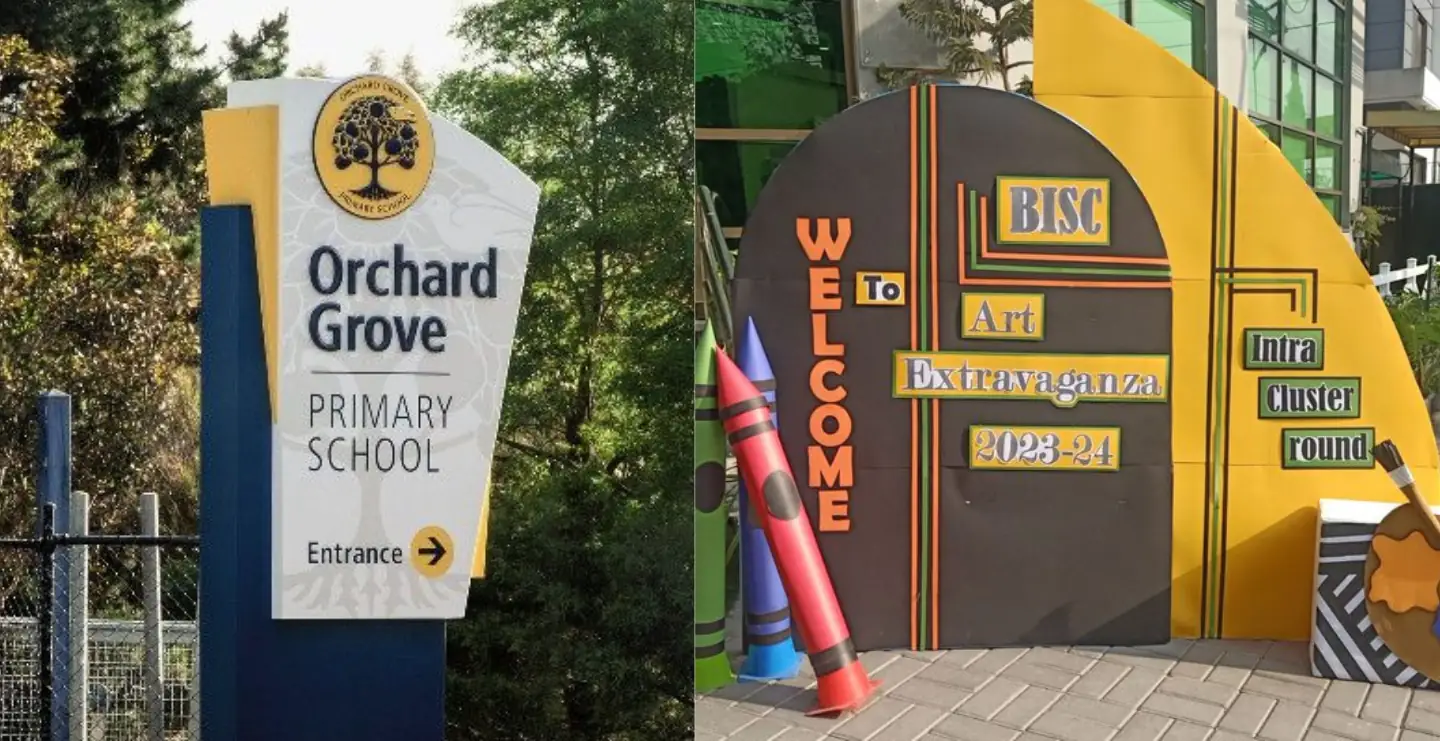
School sign board design plays an important role in representing an institution’s identity and standards. An effective school sign board focuses on clear typography, color combinations, strong logo placement, durable materials, and proper lighting. Common materials include ACP panels, acrylic LED boards, metal letters, and granite bases, chosen for long-term outdoor durability. In 2026, school sign board design trends emphasize minimal layouts, 3D raised letters, LED illumination, combination materials, and digital display integration.
A school sign board is more than just a name display at the entrance. It represents the institution’s values, credibility, and educational standards. Whether it is a preschool, primary school, high school, or international academy, the right school sign board design creates a strong first impression for parents, students, and visitors.
In an increasingly competitive education sector, a professionally designed sign board enhances visibility, builds trust, and strengthens brand identity. In this guide, we explore the latest trends, materials, typography styles, lighting options, and creative concepts for school sign boards in 2025.
1. Why School Sign Board Design Matters
A school sign board is a symbol of identity and reputation. It communicates:
- The institution’s credibility and professionalism
- The type of school (CBSE, ICSE, State Board, International, Montessori, etc.)
- The values and discipline of the institution
- The school’s legacy and establishment year
- Trust and safety for students
Parents often judge an institution’s professionalism by its infrastructure and presentation. A well-designed school sign board enhances confidence and reinforces the school’s brand image.
2. Key Elements of Effective School Sign Board Design
a. Clear and Readable Typography
Typography plays a crucial role in educational signage. The school name must be readable from a distance.
Best practices include:
- Bold serif or sans-serif fonts
- Large, legible lettering
- Proper spacing between words
- High contrast between background and text
Avoid overly decorative fonts that reduce clarity. Educational institutions should project seriousness and clarity.
b. Appropriate Color Combinations
Colors reflect the institution’s personality and values.
Popular combinations for school sign boards include:
- Blue & White - Trust, discipline, and stability
- Green & White - Growth and learning
- Maroon & Gold - Tradition and prestige
- Navy & Silver - Modern and premium look
The chosen color palette should match the school’s logo and branding guidelines.
c. Logo and Emblem Placement
Most schools have a crest, emblem, or logo that represents their heritage.
- Place the emblem prominently
- Maintain proportional sizing
- Ensure high-quality printing or 3D fabrication
- Use durable finishes for long-term visibility
A well-positioned emblem enhances institutional identity.
d. Lighting for Visibility
Lighting improves visibility during early mornings, evenings, and cloudy weather.
- Front-lit LED letters
- Backlit acrylic boards
- Spotlights focused on the main sign
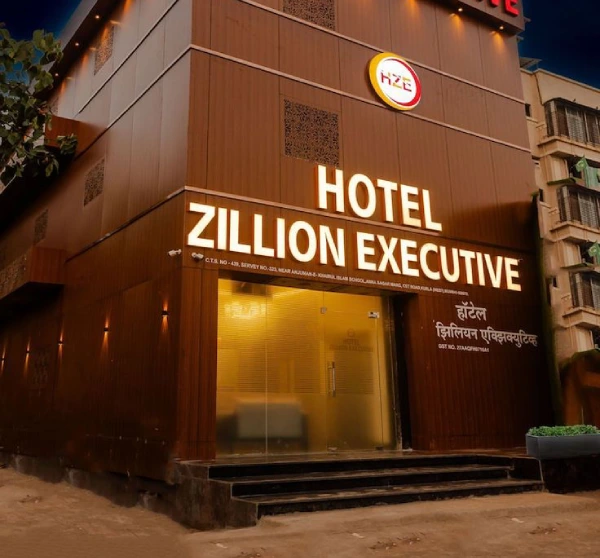
- Halo-lit 3D letters for premium schools
Proper illumination ensures the school name remains visible at all times.


3. Types of School Sign Boards
a. Main Entrance Name Board
This is the primary identification sign placed at the school gate.
- Large format signage
- School name and logo
- Establishment year
- Tagline or motto
It should be durable, weather-resistant, and clearly visible from the road.
b. Directional & Wayfinding Boards
Large campuses require directional signage to guide visitors.
- Administrative office
- Principal’s room
- Classrooms
- Library
- Laboratories
- Auditorium
Clear arrows and simple layouts improve navigation.
c. Safety & Informational Boards
Schools must display safety and informational signage such as:
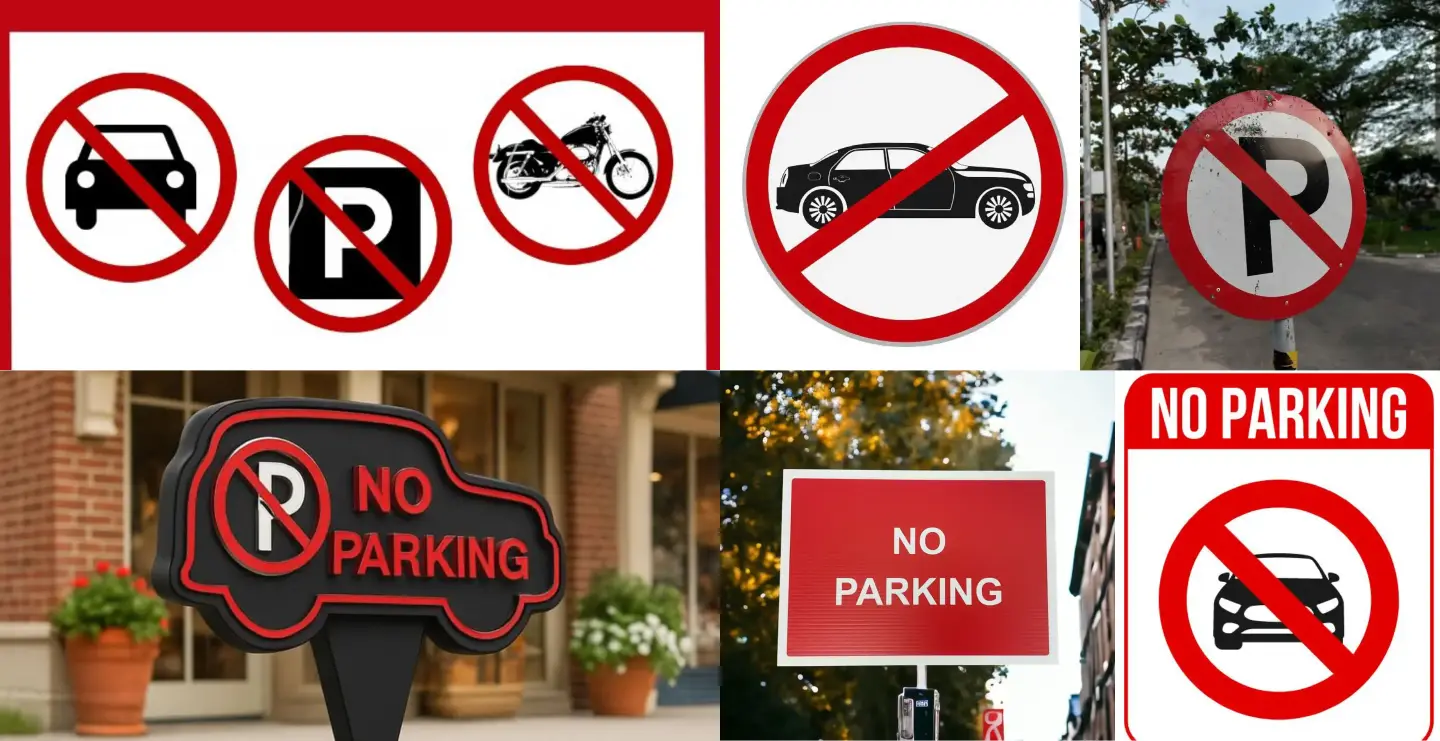
- No parking zones
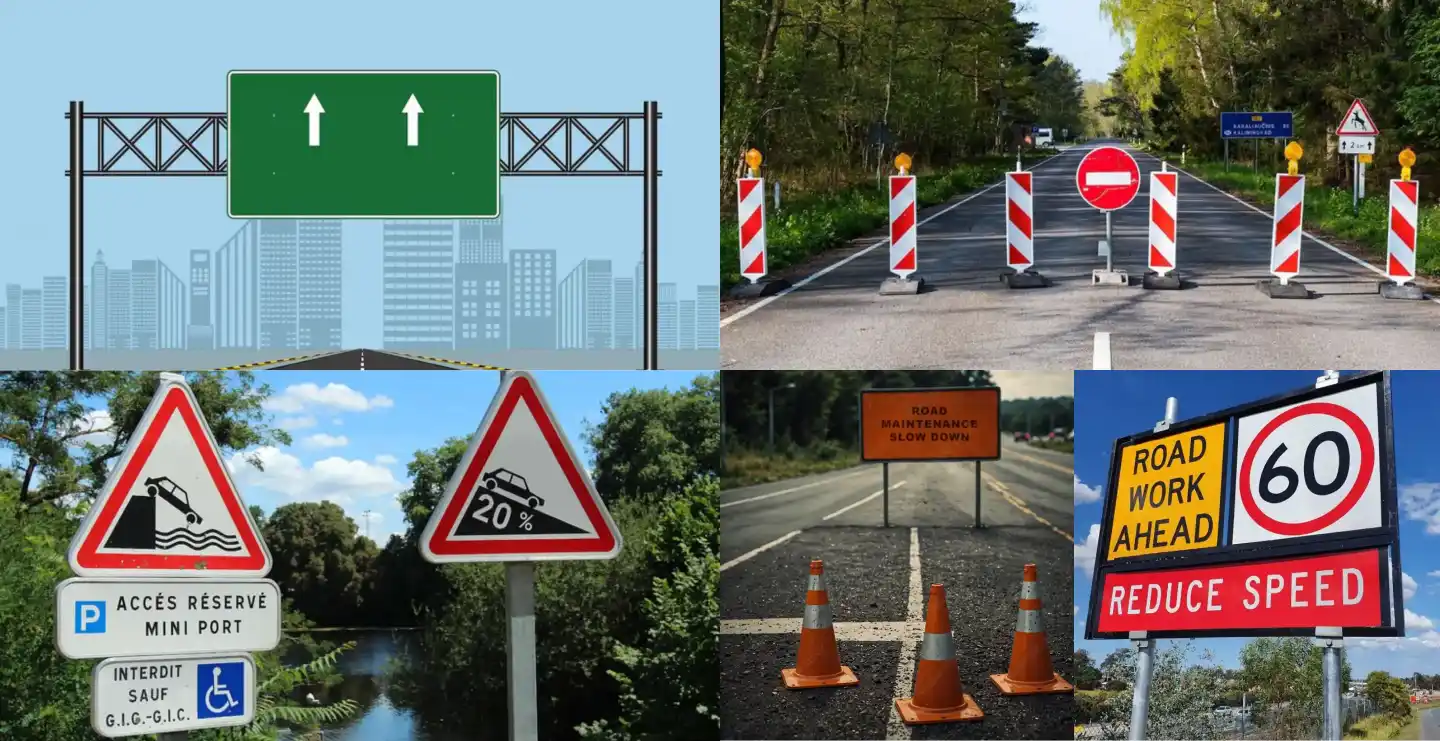
- Speed limit signs
- Emergency exits
- Assembly point indicators
- Visitor instructions
These boards ensure student safety and campus discipline.
d. Classroom & Department Boards
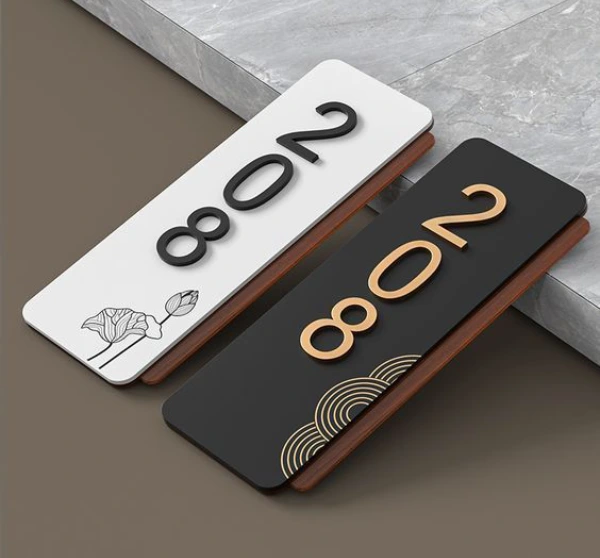
- Room number signs
- Subject department boards
- Laboratory identification signs
- Staff room signage
Uniform design across classrooms maintains consistency.
4. Popular Materials for School Sign Boards
a. ACP (Aluminum Composite Panel)
- Durable and weather-resistant
- Budget-friendly
- Available in various colors
- Ideal for outdoor main boards
ACP signage is one of the most commonly used materials for school entrance signage.
b. Acrylic LED Boards
- Modern and clean finish
- Suitable for premium institutions
- High visibility
- Low maintenance
Acrylic boards work well for contemporary school campuses.
c. Metal Letter Sign Boards
- Premium appearance
- Long-lasting durability
- Suitable for established institutions
- Compatible with halo lighting
Metal letters create a strong and prestigious impression.
d. Stone or Granite Base Boards
- Classic and traditional look
- Extremely durable
- Often used for long-established schools
Granite name boards convey heritage and stability.
5. School Sign Board Design Trends for 2026
a. Minimalistic Institutional Design
- Clean layout
- Neutral color palette
- Large readable fonts
- Focus on logo and name
Minimalism enhances professionalism and clarity.
b. 3D Raised Letters
Raised letters add depth and improve long-distance visibility.
c. Combination Boards (ACP + Acrylic)
Combining materials creates a balanced, modern appearance.
d. LED-Illuminated Entrance Boards
LED lighting ensures the school name is visible during early mornings and late evenings.
e. Digital Display Boards
- Announcements
- Event updates
- Exam schedules
- Achievements
Digital boards improve communication with students and parents.
6. School Sign Board Ideas Based on Institution Type
a. Preschool & Kindergarten
- Bright and cheerful colors
- Friendly fonts
- Playful design elements
- Soft lighting
b. Primary & Secondary Schools
- Bold, clear typography
- Institutional colors
- Professional layout
- Durable materials
c. International & Premium Schools
- Metal or halo-lit letters
- Minimalistic design
- Premium finishes
- Strong logo visibility
d. Government Schools
- Simple and cost-effective materials
- Clear large fonts
- Weather-resistant boards
- Standardized color schemes
7. Tips to Make Your School Sign Board Stand Out
- Ensure high readability from a distance
- Use durable, weather-proof materials
- Maintain brand consistency
- Add proper lighting for visibility
- Include establishment year and motto if applicable
- Avoid cluttered designs
- Ensure proper installation height
Thoughtful design and placement significantly improve institutional presentation.
8. Why Professional School Sign Board Design Matters
A professionally designed school sign board ensures:
- Long-term durability
- Proper structural installation
- Weather resistance
- Balanced and clean aesthetics
- Strong institutional branding
Your school sign board is a long-term investment that strengthens identity, builds trust among parents, and enhances overall campus appearance.
Conclusion
A well-designed school signage board combines clarity, durability, professionalism, and branding. In 2025, trends focus on minimal layouts, LED illumination, premium materials, and strong logo placement.
Whether you manage a preschool, high school, or international academy, investing in a professionally crafted school sign board enhances visibility, reinforces credibility, and creates a lasting impression on students, parents, and visitors.