A road sign board is more than just a display sign along a street – it's a critical safety tool that guides drivers, pedestrians, and vehicles while ensuring compliance with traffic regulations. Whether placed on highways, residential roads, construction zones, or private premises, the right road sign board design keeps traffic flowing smoothly and reduces accidents.
In a domain where clarity can be the difference between safety and disaster, a well-designed road sign board ensures every driver and pedestrian understands the message instantly, regardless of language or literacy level.
Why Roads and Premises Need Sign Boards
Traffic management relies on consistent, standardized, and highly visible signage. A road sign board helps:
- Guide drivers with clear directional and regulatory information
- Warn of hazards, speed limits, and road conditions ahead
- Ensure compliance with national and local traffic authority standards
- Improve pedestrian safety at crossings and school zones
- Support navigation in unfamiliar or construction-affected areas
It serves both regulatory and safety purposes – making it mandatory across highways, city roads, campuses, and private complexes.
Types of Road Sign Boards


Road sign boards follow standardized templates based on their function and regulatory category.
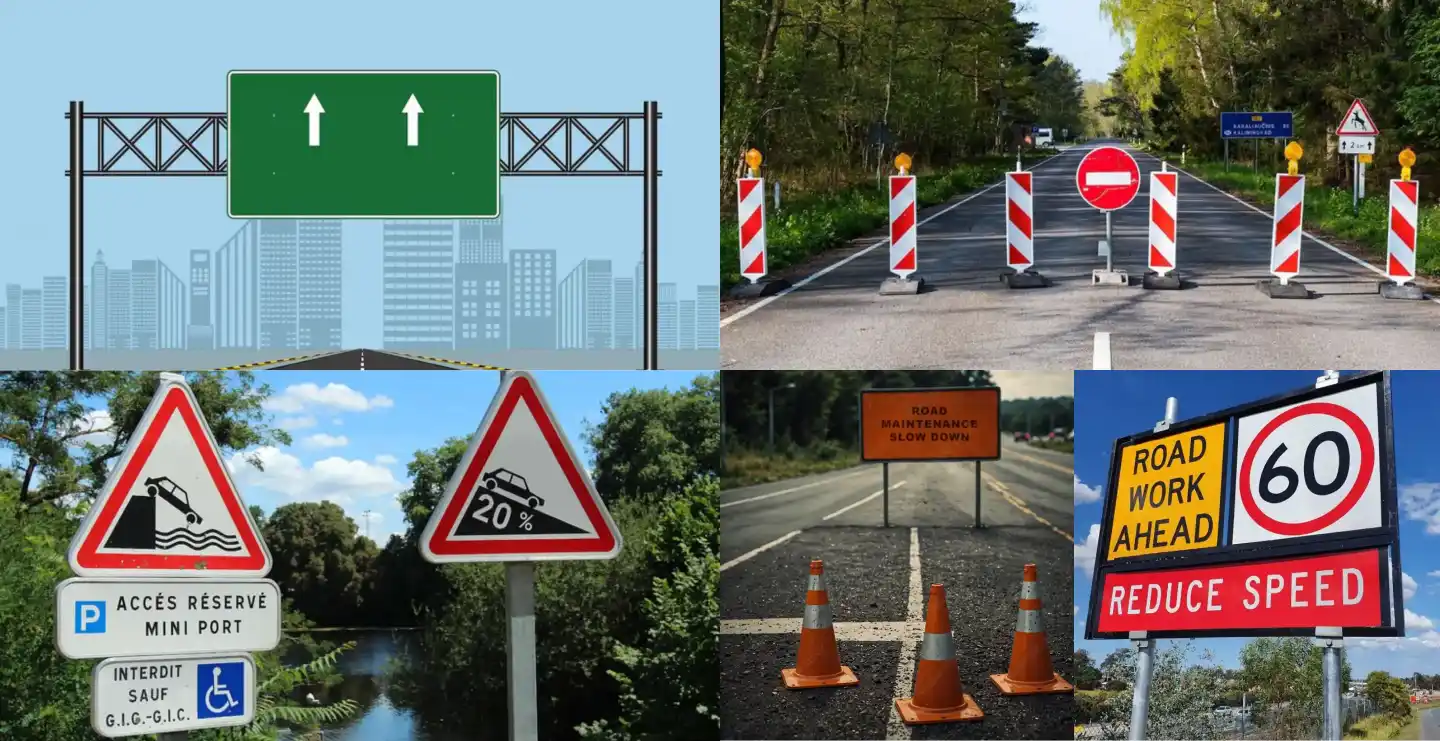
1. Regulatory Signs
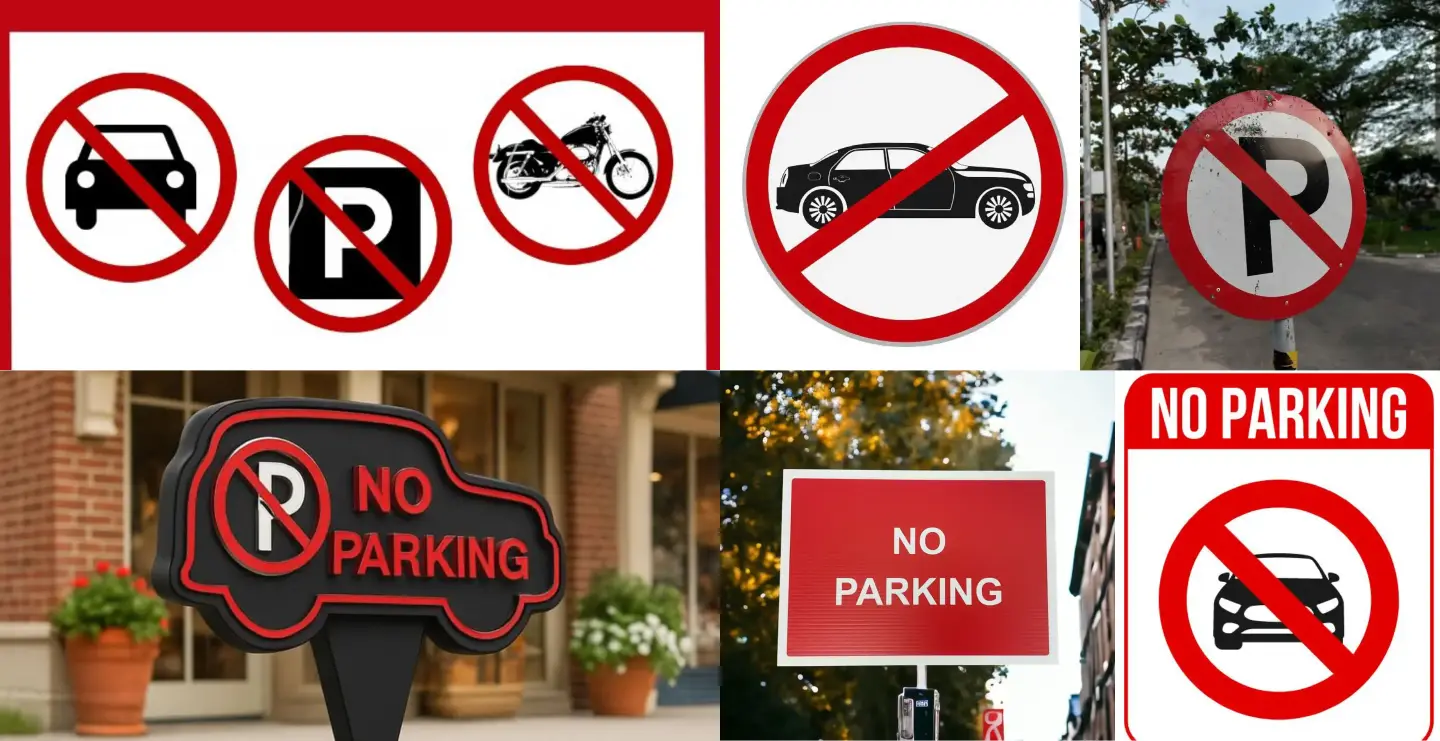
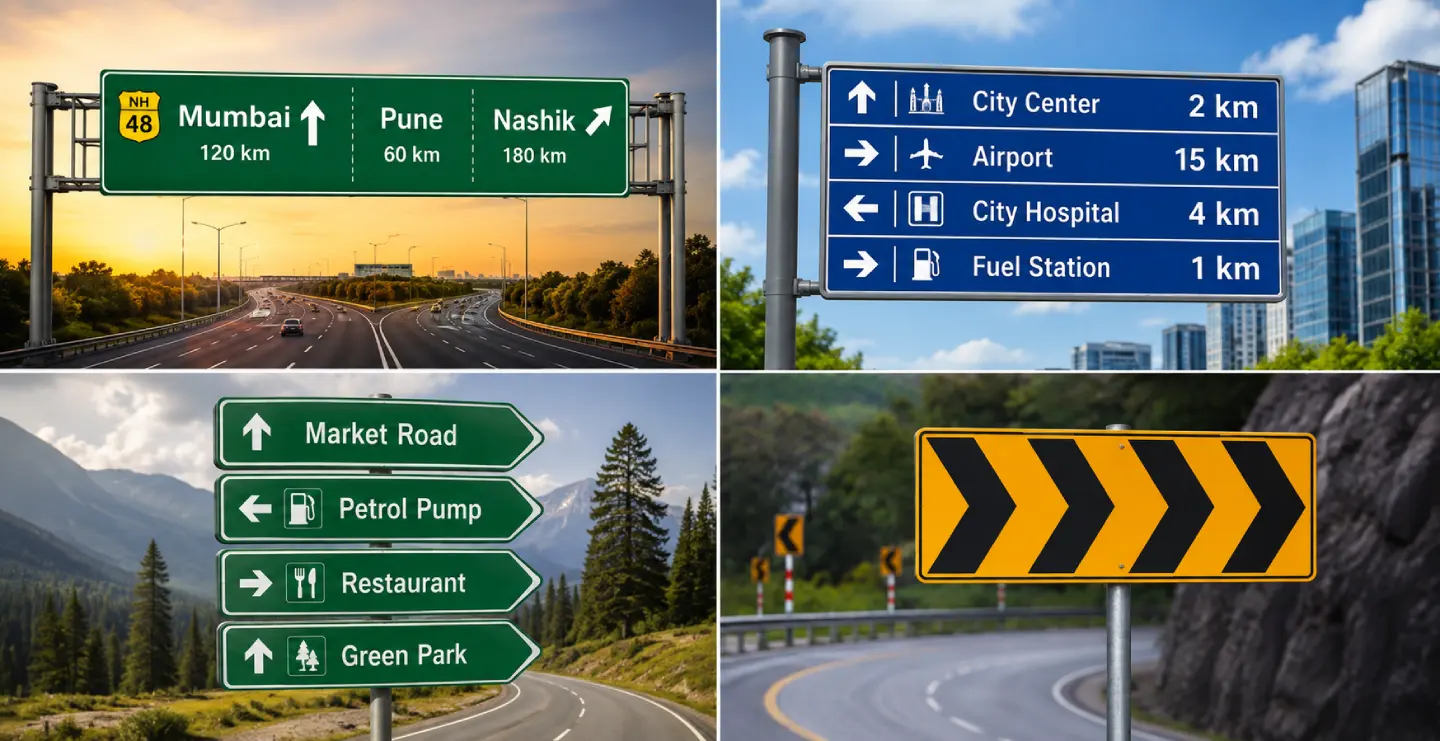
These enforce traffic laws, such as speed limits, no entry, one-way, and parking restrictions, and are typically mandatory to obey.
2. Warning Signs
Used to alert drivers of upcoming hazards like sharp curves, pedestrian crossings, school zones, or slippery roads.
3. Informational & Directional Signs
Provide guidance such as distances, route numbers, exits, and facility directions like hospitals or fuel stations.
4. Construction & Temporary Signs
Installed near work zones to indicate detours, reduced speed limits, or ongoing roadwork for driver safety.
Best Materials for Road Sign Boards
Since road signs face constant weather exposure, vibration, and the need for long-distance visibility, material choice is critical.
Popular material choices include:
- Reflective Aluminum Sheets- Standard choice for high-visibility, weather-resistant signage
- High-Intensity Reflective Vinyl- Improves night-time and low-light visibility
- Galvanized Steel Posts- Rust-resistant support structures for long-term outdoor use
- Fiberglass Reinforced Panels- Lightweight yet durable for temporary or portable signs
- Diamond-Grade Reflective Sheeting- Used for highways and high-speed zones requiring maximum visibility
- Powder-Coated Metal Boards- Corrosion-resistant option for coastal or humid regions
What Should a Road Sign Board Include?
A road sign board template should follow standardized shapes, colors, and symbols for universal understanding. Common elements include:
- Standardized Shape (circle, triangle, rectangle, or octagon)
- Symbol or Pictogram (minimal text where possible)
- Regulatory Text (speed limit, distance, or instruction)
- Reflective Border or Background
- Authority Code or Reference Number (if applicable)
- Mounting Height & Placement Guidelines
Depending on the region, additional bilingual text or route-specific numbering may also be required by local traffic authorities.
Design Guidelines for Road Sign Boards
Font Selection
Use standardized, highly legible fonts approved by transportation authorities, typically bold sans-serif styles designed for quick recognition at speed.
Color Palette
Road sign boards follow globally recognized, standardized colors such as:
- Red & White (prohibition and stop signs)
- Yellow & Black (warning and hazard signs)
- Blue & White (mandatory instructions and information)
- Green & White (directional and highway signage)
Layout
Follow a consistent, symbol-first layout so drivers can interpret the sign in a fraction of a second, minimizing reliance on text.
Size & Placement
Sign size and mounting height must correspond to road speed and type, highways require larger, more reflective boards than residential streets.
Benefits of a Well-Designed Road Sign Board
A thoughtfully crafted road sign board adds several advantages:
- Improves Road Safety- Reduces accidents through clear, timely warnings
- Ensures Legal Compliance- Meets national and regional transportation standards
- Enhances Traffic Flow- Guides drivers efficiently through complex routes
- Supports All Road Users- Benefits drivers, cyclists, and pedestrians alike
- Weather-Resistant- Durable materials ensure long-term outdoor performance
Maintenance Tips for Road Sign Boards
To ensure the sign remains effective and legally compliant:
- Clean reflective surfaces regularly to maintain visibility
- Inspect for fading, rust, or physical damage periodically
- Replace bent or misaligned posts promptly
- Check reflectivity levels during routine night inspections
- Update signage promptly when road conditions or regulations change
Who Needs Road Sign Boards?
They are ideal for:
- Municipal & Highway Authorities
- Construction & Infrastructure Companies
- Educational Campuses & School Zones
- Residential Societies & Gated Communities
- Industrial Parks & Private Estates
- Traffic Management & Safety Consultants
Any authority or organization managing vehicular or pedestrian movement can benefit from standardized road sign boards.
Road Sign Board Price Guide
Pricing for a road sign board depends on size, reflective grade, and mounting requirements. Here's an approximate price range to help with budgeting:
- Standard Reflective Sign (small, non-highway)- ₹800 – ₹2,500
- High-Intensity Reflective Sign (medium)- ₹2,500 – ₹6,000
- Diamond-Grade Highway Sign (large)- ₹6,000 – ₹15,000
- Sign with Galvanized Steel Post & Mounting- ₹10,000 – ₹25,000
- Temporary/Construction Zone Signage- ₹1,500 – ₹5,000
- Bulk Municipal or Highway Orders- Custom quote based on quantity
Final pricing varies based on reflective grade, sheet material, post type, and order volume. Request a quote with your exact requirements for an accurate estimate.
Frequently Asked Questions
Do road signs need to follow a specific government standard?
Yes, road signs typically must comply with national or regional transportation authority standards regarding shape, color, size, and reflectivity for legal validity.
What is the difference between regulatory and warning signs?
Regulatory signs enforce specific rules like speed limits or no-entry restrictions, while warning signs alert drivers to potential hazards ahead without imposing a legal instruction.
Why is reflective sheeting important for road signs?
Reflective sheeting ensures signs remain visible at night or in low-light conditions when vehicle headlights illuminate the surface, significantly improving road safety.
Can road sign boards be used for private properties like campuses or estates?
Yes, private premises often use road sign templates for internal speed limits, parking rules, and directional guidance, following similar design standards for consistency.
How long do reflective road signs typically last outdoors?
Depending on the reflective grade and material, road signs typically last 7 to 12 years outdoors before reflectivity or color begins to degrade.
Final Thoughts
A road sign board is a powerful yet simple communication tool that strengthens safety, compliance, and traffic efficiency. With standardized templates, durable materials, and reflective technology, authorities and organizations can install signage that protects lives and ensures smooth movement.
Choosing the right road sign board design reflects a genuine commitment to public safety and responsible infrastructure management.