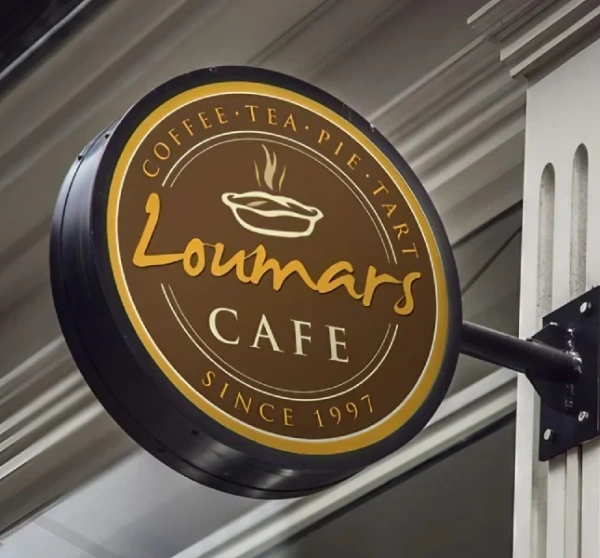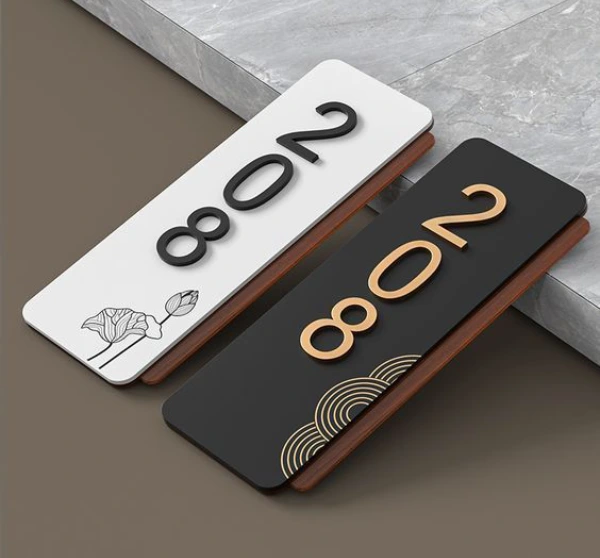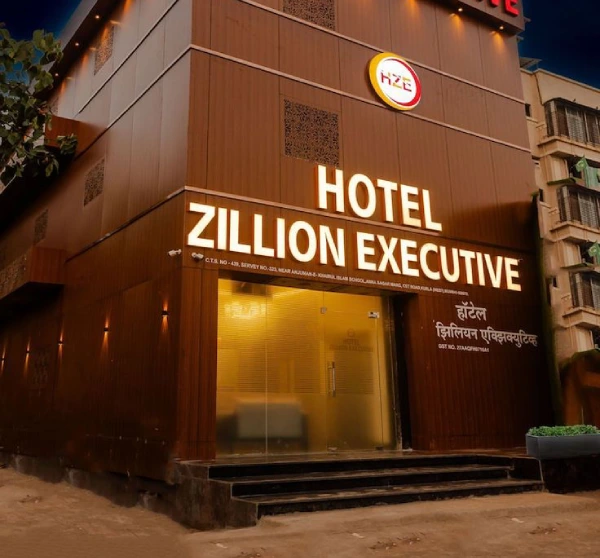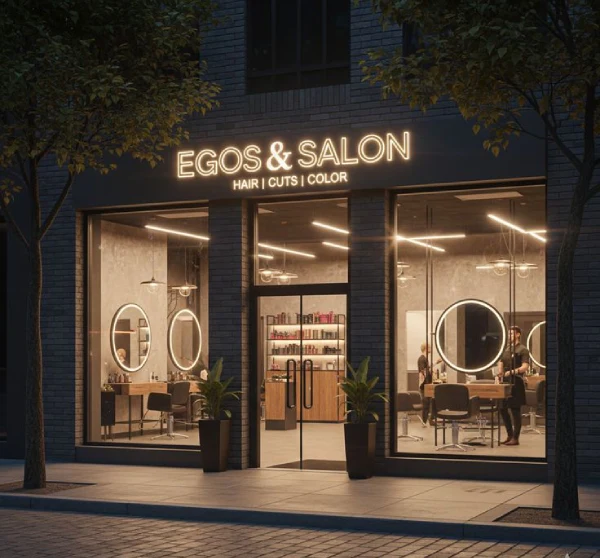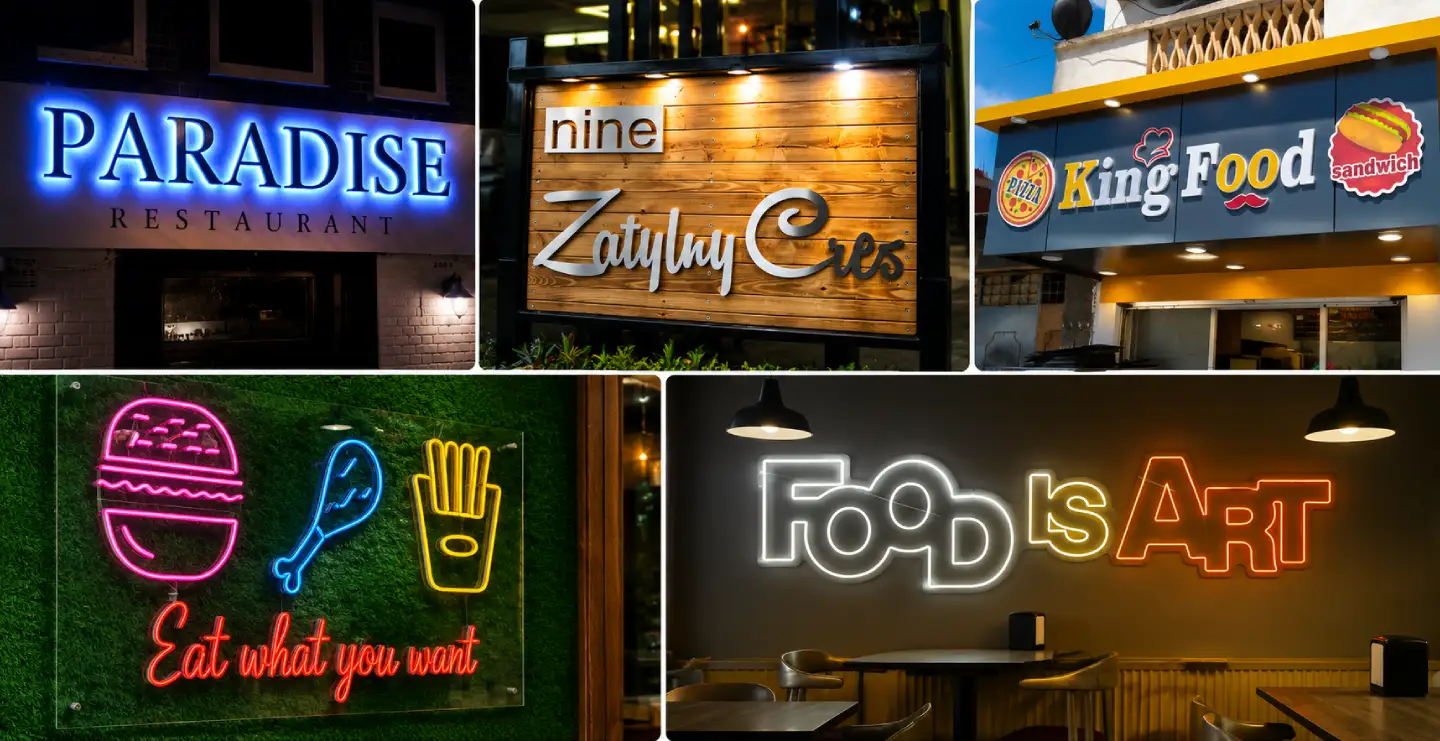
Your restaurant's signboard is often the first impression potential customers have of your establishment. A well-designed restaurant signboard does more than display your business name-it communicates your brand identity, cuisine style, and dining experience before anyone steps through your doors. This comprehensive guide covers everything you need to know about restaurant signboard design to attract more customers and create a lasting impact in your market.
Why Restaurant Signboard Design Matters for Your Business
The restaurant industry is highly competitive, especially in busy commercial areas where foot traffic is abundant. A mediocre signboard can cause potential customers to pass by without noticing your establishment, while an exceptional one can convert passersby into regular customers. According to industry data, nearly 60% of customer decisions to visit a restaurant are influenced by its exterior appearance, with signboards playing a central role in that first impression.
Restaurant signboard design directly impacts brand recognition, customer acquisition, and ultimately, your bottom line. When customers can easily identify your restaurant from a distance and immediately understand what you offer, you reduce friction in their decision-making process. This is especially crucial in areas with multiple dining options.
Key Elements of Effective Restaurant Signboard Design
Typography and Font Selection
The typeface you choose for your restaurant signboard is critical. Your font must be legible from a distance while reflecting your restaurant's personality. A fine dining establishment might use elegant, sophisticated serif fonts, while a casual cafeteria could opt for modern, friendly sans-serif typefaces. The font size should be large enough to read from at least 50 meters away, depending on your location's typical customer approach distance.
Avoid using more than two complementary fonts on a single signboard. Too many font variations create visual chaos and reduce readability. Your primary font should carry the restaurant name, while a secondary font can work for taglines or additional information.
Color Psychology in Restaurant Signboards
Colors trigger emotional responses and influence dining decisions. Red is widely used in restaurant signboards because it stimulates appetite and creates a sense of urgency. Yellow conveys optimism and happiness, making it popular for casual dining establishments. Blue projects trust and calm, ideal for fine dining or seafood restaurants. Green suggests freshness and health, perfect for organic or vegetarian restaurants.
The key is selecting a color palette that aligns with your restaurant's concept and stands out from surrounding businesses. High contrast between background and text ensures visibility, especially during daytime hours. Dark backgrounds with bright text or vice versa generally perform better than low-contrast combinations.
Logo and Brand Identity Integration
Your restaurant's logo should be prominently featured on the signboard. It serves as a visual anchor that customers will recognize and remember. The logo must scale appropriately-large enough to be visible but not so dominant that it overshadows your restaurant name. If your logo is intricate with fine details, ensure it remains legible when viewed from a distance on the signboard.
Choosing the Right Signboard Materials for Restaurants
LED Signboards for Modern Appeal

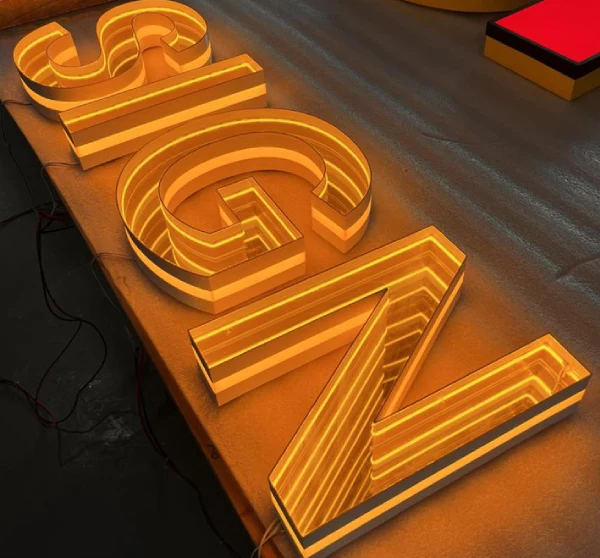
LED restaurant signboards have become increasingly popular due to their dynamic capabilities and energy efficiency. LED signs allow you to display changing content, promotional offers, and eye-catching animations that naturally draw attention. They perform exceptionally well for attracting customers during evening hours when lighting becomes a significant factor.
LED signboards are particularly effective for restaurants offering delivery or takeaway services, as they can display current operating hours, delivery information, or special deals. The bright, crisp illumination of LED technology ensures visibility even in busy commercial districts with significant ambient lighting.
Neon Signboards for Classic Elegance

Neon restaurant signboards create a distinctive, nostalgic aesthetic that works particularly well for established fine dining venues or vintage-themed restaurants. Neon produces a warm, inviting glow that creates ambiance both for customers outside viewing the signboard and those inside dining. Despite higher operational costs, neon sign board are investment pieces that communicate premium positioning.
Acrylic Signboards for Versatility

Acrylic sign board offer excellent durability and versatility for restaurant applications. They can be customized with virtually any design, color, or finishing. Acrylic boards maintain their appearance through weather exposure and require minimal maintenance. They work well for both indoor entrance signboards and outdoor installations, making them a practical choice for restaurants of any style.
Metal and Wooden Signboards

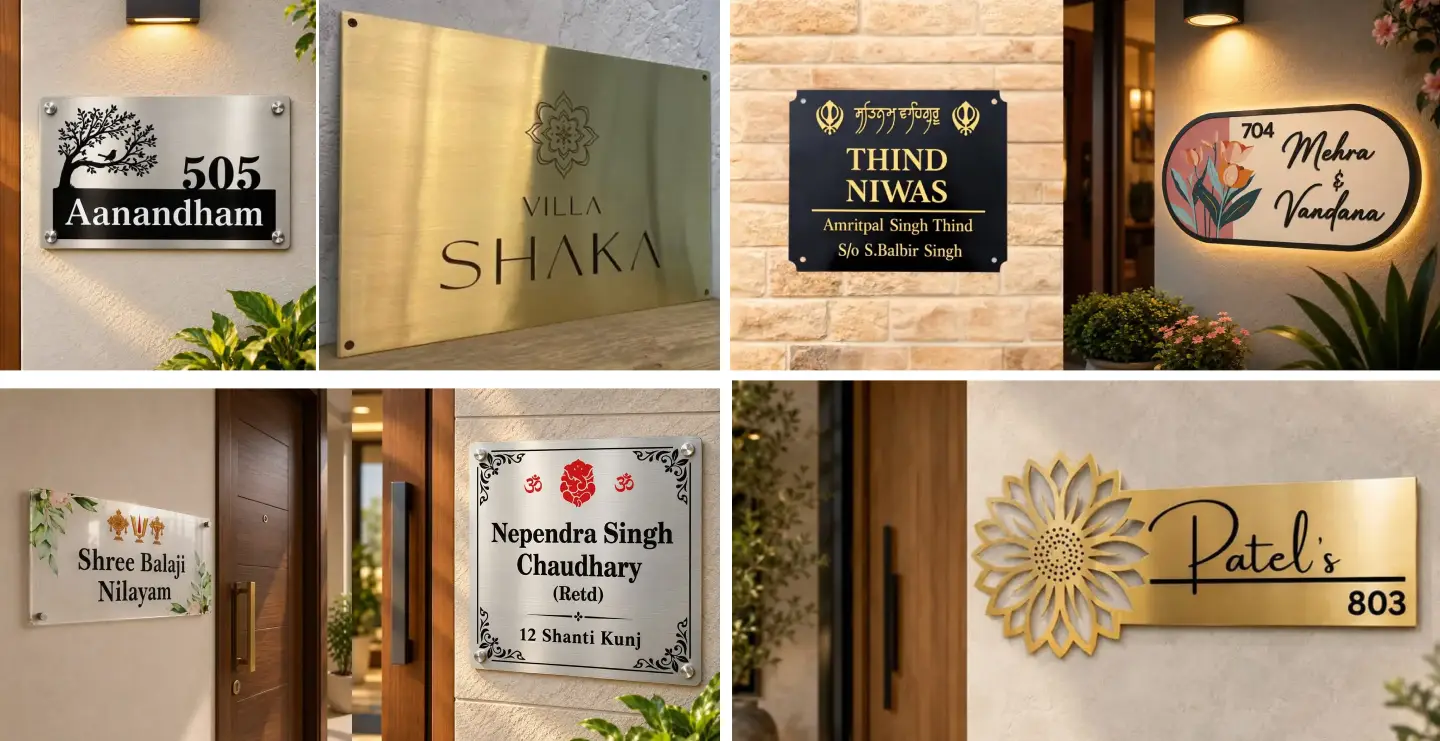
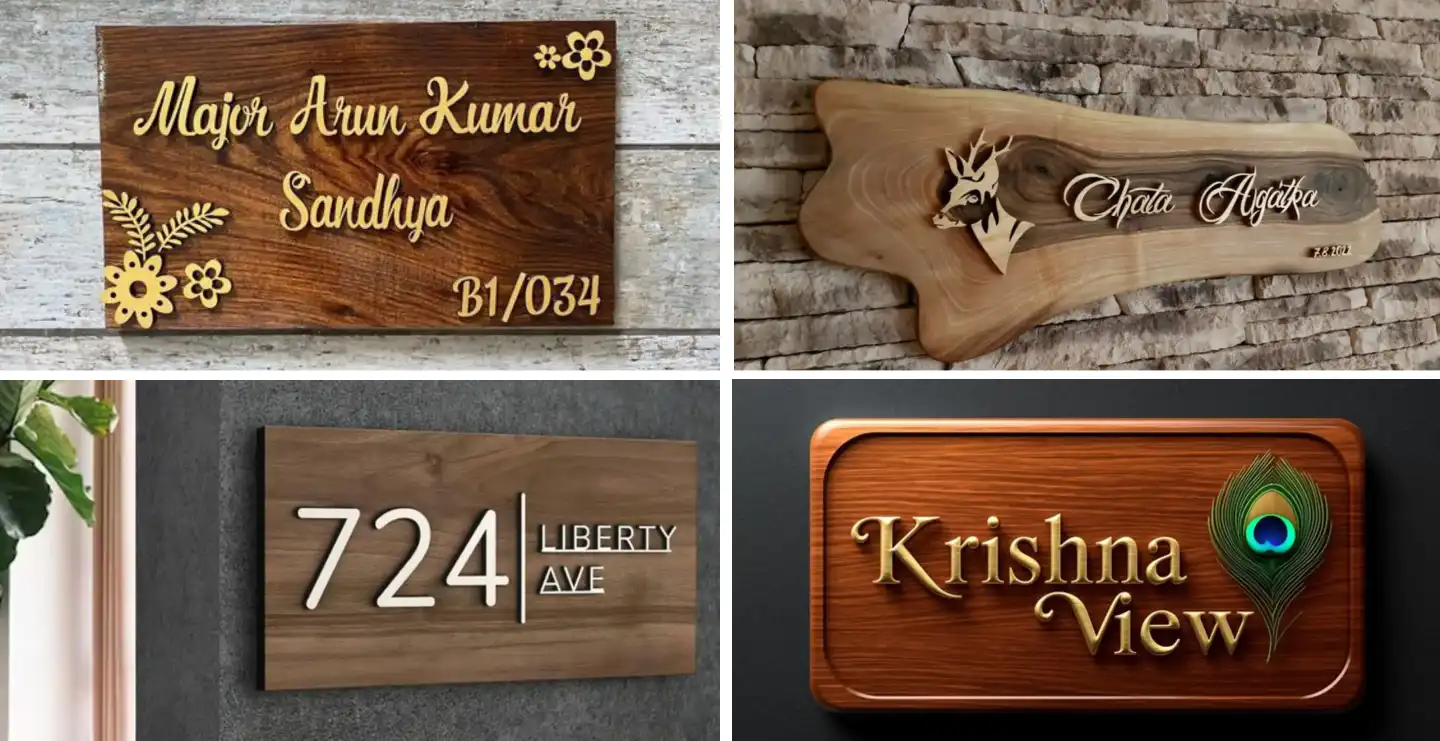
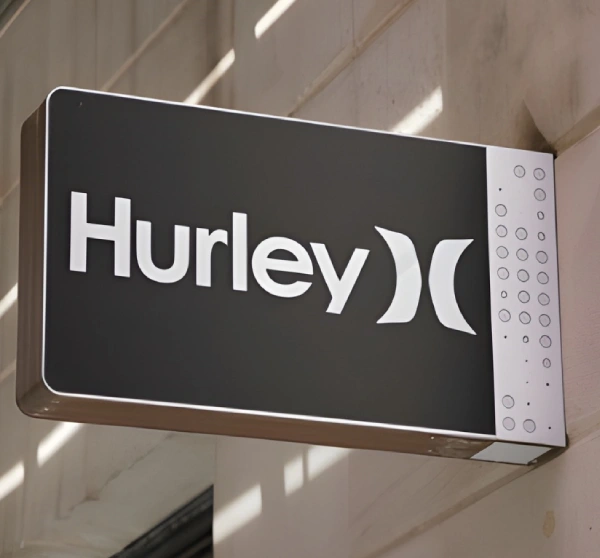
Metal sign board, particularly those made from stainless steel or aluminum, project a modern, professional image suitable for contemporary restaurants. Wooden signboards work exceptionally well for rustic, farm-to-table, or heritage-themed restaurants. Both materials are durable and can incorporate carved or embossed lettering for added dimension and sophistication.
Location and Placement Strategy for Maximum Visibility
Where you place your signboard is just as important as its design. Position your restaurant signboard at customer eye level, typically between 1.5 to 2.5 meters high. This placement ensures visibility for pedestrians and drivers alike. Avoid placing signboards too high, which can be difficult to read from ground level, or too low, which may be obstructed by vehicles or merchandise.
Consider sightlines from major traffic flow directions. Your signboard should be visible to customers approaching from the most common entry points to your establishment. In mall or shopping complex locations, ensure the signboard is visible from the main corridor. For street-facing restaurants, the signboard should be readable by both pedestrians and passing vehicle occupants.
Evaluate environmental factors including surrounding buildings, vegetation, and existing signage that might obstruct your signboard. A strategic location can make the difference between a signboard that captures attention and one that goes unnoticed despite good design.
Lighting Considerations for 24-Hour Appeal
Proper illumination is essential for restaurants operating during evening hours or offering night-time services. LED spotlights directed at your signboard create visibility without relying on the signboard itself to generate light. This approach works well for acrylic, metal, and wooden signboards. LED sign board provide their own illumination, making them ideal for restaurants in areas with lower ambient lighting.
Consider motion-sensor lighting that activates during evening hours to reduce energy consumption while maintaining visibility. Warm-white lighting (around 3000K color temperature) is more welcoming than cool white and better aligns with the dining experience your restaurant offers.
Design Best Practices for Restaurant Signboards
Simplicity and Clarity
The most effective restaurant signboards deliver their message quickly. Passersby typically have only seconds to read and process your signboard. Keep text minimal-your restaurant name should be the primary focus, with optional secondary information like cuisine type or tagline. Avoid cluttering your signboard with excessive details.
Consistency with Interior Branding
Your exterior signboard should reflect the interior ambiance and brand identity of your restaurant. A signboard promising casual dining with modern aesthetics followed by entry into a traditional, ornate dining space creates confusion and disappointment. Consistency between exterior messaging and interior experience builds trust with customers.
Unique Differentiation
In markets with multiple restaurants, your signboard must stand out. Consider unique design elements that reflect your restaurant's specialty or personality. This might include distinctive shapes, three-dimensional elements, or unconventional materials that make your signboard memorable. Differentiation doesn't require bizarre design-subtle, thoughtful design choices create stronger impact than loud, chaotic visuals.
Common Restaurant Signboard Design Mistakes to Avoid
Many restaurants damage their brand perception with poorly executed signboards. Avoid overcrowding your signboard with information, graphics, or design elements. A signboard attempting to communicate too much creates visual noise that repels rather than attracts customers. Steer clear of trendy fonts or colors that may date your signboard quickly-classic design elements age better.
Poor maintenance is another critical mistake. Faded colors, broken lighting, dirt accumulation, or peeling materials communicate neglect and poor quality standards to potential customers. A restaurant with a damaged signboard implies potential issues with food quality and hygiene. Regular maintenance ensures your signboard continues representing your business positively.
Mismatched signboard design relative to surrounding environment is also problematic. An ultra-modern neon signboard might clash in a heritage area, while a rustic wooden sign might seem out of place in a contemporary commercial complex. Assess your environment and design accordingly.
Implementing Your Restaurant Signboard Design
Partner with experienced signboard designers and manufacturers who understand restaurant industry requirements. Professionals can advise on material selection, sizing, placement, and lighting based on your specific location and business objectives. Most professional signboard manufacturers offer design consultation services where you can preview your signboard design before production.
Obtain necessary permits and approvals from local municipal authorities before installing your signboard. Different areas have specific regulations regarding signboard size, placement height, and illumination. Compliance ensures your investment is protected and your business operates within legal parameters.
Restaurant Signboard Design for Different Cuisine Types
Different cuisine types benefit from distinct design approaches. Indian restaurants often incorporate warm colors, traditional patterns, or cultural symbols. Italian restaurants frequently use warm tones, rustic materials, or imagery suggesting authentic dining. Asian restaurants might employ minimalist design with elegant typography reflecting their culinary philosophy. Contemporary fusion restaurants can experiment with modern materials and geometric designs.
Tailoring your signboard design to your specific cuisine type immediately communicates your restaurant's offering to potential customers, reducing decision friction and attracting your target demographic.
Measuring Restaurant Signboard Success
After implementing your new sign board design, track relevant metrics to assess its effectiveness. Monitor foot traffic, new customer acquisition, and customer inquiries about your restaurant location. Ask new customers how they discovered your restaurant-if signboard visibility features prominently in responses, your design is working effectively. Track seasonal variations to understand how lighting and environmental factors affect visibility and traffic patterns.
Conclusion: Invest in Strategic Restaurant Signboard Design
Your restaurant signboard is a significant marketing asset that works 24/7 to attract customers. Strategic investment in quality design, appropriate materials, and proper installation yields returns through increased foot traffic, brand recognition, and customer acquisition. The most successful restaurants recognize that every customer touchpoint, beginning with the exterior signboard, contributes to their overall brand experience and business success.
Whether you're opening a new restaurant or refreshing your existing signboard, prioritize clear communication of your brand identity, cuisine type, and value proposition. Work with experienced professionals who understand restaurant industry dynamics and local market conditions. Your signboard is not just a name display-it's your restaurant's silent ambassador, making the critical first impression that converts passersby into paying customers.