Choosing the right pole sign board is one of the most important decisions for businesses, retailers, service providers, and commercial establishments seeking maximum visibility and brand presence. A well-designed pole sign board does more than display your business information; it attracts customers from moving traffic, creates strong brand visibility, and establishes professional presence on busy commercial streets. If you are planning to install new pole signage or upgrade existing signs for better visibility, understanding the fundamentals of pole sign board design can help you make smarter, longer-lasting choices.
In this guide, we will walk through what pole sign boards are, why distinctive pole design matters, the key elements that make them effective, and the factors you should consider before installation.
What Is a Pole Sign Board?
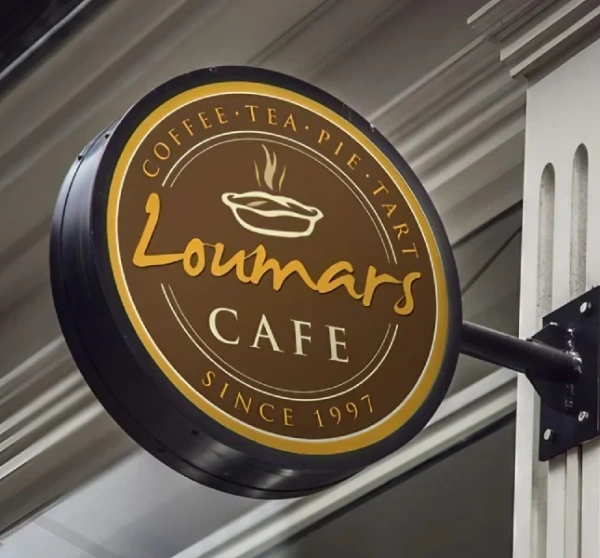
A pole sign board is a vertical display structure mounted on a sturdy pole or post, designed to convey business information, directional guidance, or promotional messages at elevated heights. These signs are strategically positioned to capture attention from passing vehicles, pedestrians, and customers from considerable distances. Pole sign boards are typically made from durable materials such as aluminium, acrylic, PVC, steel, or aluminium composite panels (ACP), mounted on steel or aluminium pole structures engineered for stability and longevity.
Because pole signs must remain visible from multiple angles and varying distances, they are often designed as double-sided boards, ensuring message visibility regardless of approach direction. Fabrication involves precision printing, vinyl graphics, reflective materials, and often illumination systems to ensure visibility day and night. Pole structures are engineered with proper foundation systems, wind resistance calculations, and safety factors to prevent tipping or structural failure.
Why Good Pole Sign Board Design Matters
Business owners, retailers, and property managers prioritise proper pole sign board design for several practical reasons:
- Creates visibility from far distances, capturing attention from passing traffic and customers
- Establishes strong brand presence on busy commercial streets and highways
- Enables high-impact messaging visible from multiple traffic directions
- Attracts foot traffic and customer visits through prominent placement
- Differentiates your business from ground-level competitors in crowded areas
- Withstands harsh outdoor conditions including wind, rain, sun, and temperature extremes
- Provides 24/7 visibility through illuminated design options
- Supports regulatory compliance with municipal signage standards
- Functions as wayfinding and directional tool for customers and visitors
These qualities make well-designed pole sign boards essential for retail success, restaurant visibility, service business promotion, and any commercial venture competing for customer attention on busy streets.
Ask Instant Pricing from Expert Signage Board Designers
Contact Now →Key Elements of an Effective Pole Sign Board Design
A professionally designed pole sign board is not just about height and size. Several design and structural elements work together to create signage that is visible, impactful, and professionally appropriate.
1. Double-Sided Design and Traffic Direction
Pole signs are most effective when designed as double-sided boards, ensuring your message reaches customers approaching from either direction. Both sides should feature identical or complementary designs with consistent branding and messaging. The back side should not be treated as secondary; it carries equal weight for customer acquisition. Staggered board angles on each side can maximize visibility from angled traffic approaches. Double-sided design requires thoughtful structural support and balanced weight distribution on the pole mounting system.
2. Height and Elevation Strategy
Pole sign effectiveness depends heavily on appropriate height positioning. Typical pole signs range from 8 to 25 feet high, with optimal height determined by traffic types and viewing distances. Ground-level traffic (pedestrians, low vehicles) requires 6 to 10 feet height. Highway and fast-moving traffic requires 12 to 20 feet height for adequate reading distance. Height must comply with local municipal regulations, which often specify maximum allowable heights. Proper elevation ensures signs clear building lines, vegetation, and overhead obstacles while remaining visible from intended viewing distances.
3. Legibility and Font Selection
Pole sign lettering must be readable from significant distances, often 100 to 300 feet depending on speed and traffic type. Large, bold letters are essential; every inch of letter height provides roughly 40 to 50 feet of readable distance. Sans-serif fonts work best for maximum readability at distance. Letter spacing should be generous to prevent visual crowding. Content should be limited to key information—business name, primary service, and essential contact information. Avoid complex graphics or dense text that becomes illegible from distance or moving vehicles.
4. Colour Selection and Contrast
Pole sign colours must create strong contrast for visibility and emotional impact. High-contrast combinations such as white on dark blue, black on yellow, or white on red ensure readability from distance. Colours should align with brand identity while maintaining visibility standards. Test colour combinations under both daylight and streetlight conditions, as colour perception changes significantly between day and night. Bold, saturated colours command attention better than pastels. The background colour should remain consistent across both sign faces for cohesive brand messaging.
5. Material Durability and Weather Resistance
Pole sign materials must withstand exposure to sun, rain, wind, temperature extremes, pollution, and humidity. Aluminium composite panels (ACP) offer excellent durability with smooth finishing and light weight. Acrylic provides superior optical clarity for illuminated signs. Reflective or retroreflective sheeting enhances nighttime visibility without external illumination. High-grade vinyl graphics resist fading and maintain colour vibrancy for years. Protective overlay films prevent graffiti damage and UV degradation. Quality materials ensure signs maintain visual appeal and structural integrity for 7 to 10 years or more with minimal maintenance.
Popular Pole Sign Board Design Styles
Depending on your business type and location, you can choose from several distinctive pole sign approaches:
- Standard rectangular pole signs - traditional double-sided boards in basic geometric shapes, suited for retail, restaurants, and service businesses
- Custom-shaped pole signs - unique cuts matching business theme or industry (arrow shapes, building silhouettes, thematic forms)
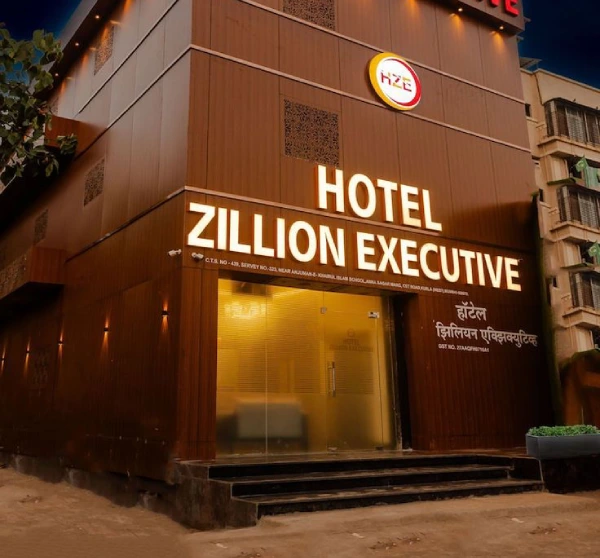
- Backlit pole signs - illuminated panels with LED or fluorescent tubes ensuring 24/7 visibility and premium appearance
- Monument pole signs - large, prominent structures combining signage with decorative elements and landscaping bases
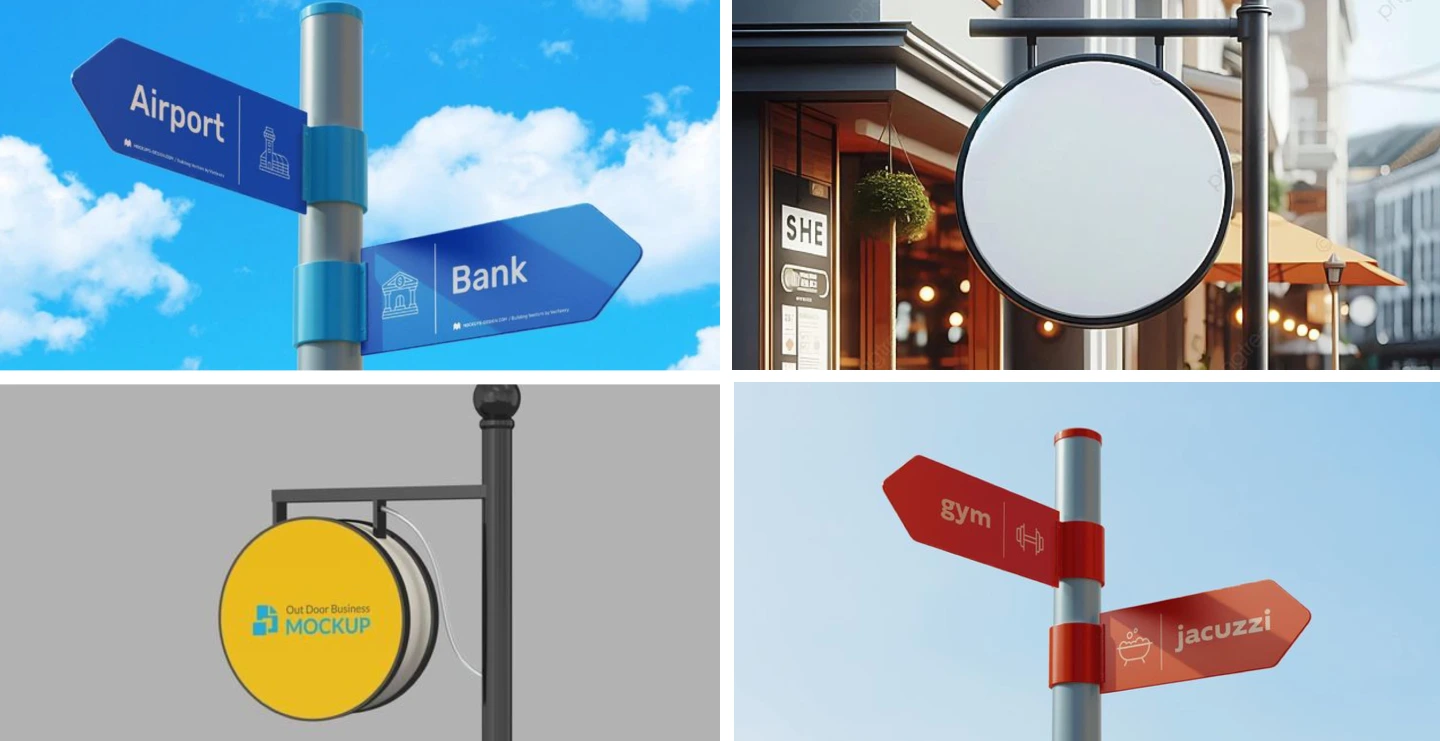
- Directional pole signs - arrow-shaped or pointer designs guiding customers to specific locations or parking
- Multi-panel pole signs - stacked boards displaying multiple business names or services on single pole structure
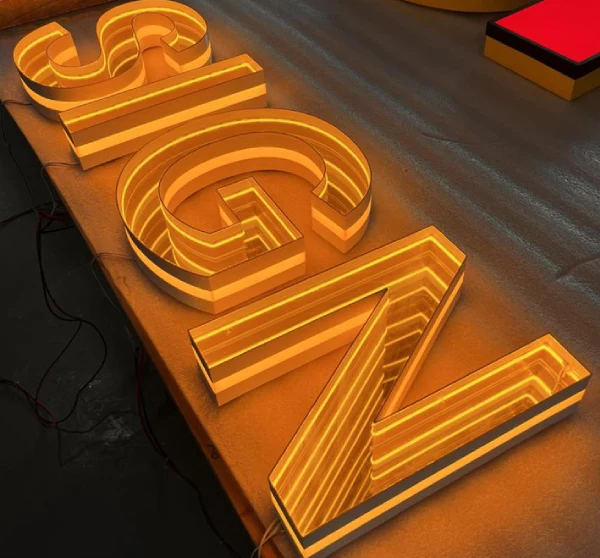
- LED channel letter pole signs - individual 3D illuminated letters mounted on pole structure for modern, upscale appearance
- Digital display pole signs - electronic screens showing dynamic content and promotional messages
- Reflective pole signs - non-illuminated designs using high-intensity reflective sheeting for nighttime visibility
- Architectural pole signs - premium designs incorporating decorative elements and material variety for distinctive presence
Factors to Consider Before Finalising Your Pole Sign Design
Before you approve a final pole sign board design, keep these practical points in mind:
- Viewing distance and traffic speed - ensure letter size and content quantity match typical viewing distance and speed of approaching traffic
- Local regulations and height restrictions - check municipal specifications for maximum pole height, setback distances, and illumination rules
- Visibility from multiple directions - design both sign faces equally for effectiveness regardless of approach direction
- Surrounding visual environment - ensure sign stands out against neighbouring buildings and signs without adding to clutter
- Weather exposure and environmental conditions - assess wind loads, sun intensity, rain patterns, and temperature extremes for your location
- Pole structure engineering - ensure professional structural calculations for wind load, weight distribution, and foundation requirements
- Illumination needs - decide between non-illuminated, reflective, or actively illuminated options based on operating hours and visibility requirements
- Electrical infrastructure - plan for power supply, wiring, and electrical safety if choosing illuminated signage
- Maintenance and accessibility - ensure safe, practical access for cleaning, repairs, and future updates without disrupting operations
- Budget and long-term investment - balance upfront costs with expected customer attraction and service life (typically 7 to 10 years)
Pole Sign Board Price in India (2026)


Pricing for pole sign boards varies significantly based on size, materials, illumination options, and structural complexity. Here is a comprehensive breakdown to help you budget before requesting a detailed quote.
Raw Material Cost
Base materials before fabrication typically cost between Rs. 60 and Rs. 200 per square foot depending on material type and quality. Standard acrylic sheets range from Rs. 70 to Rs. 140 per square foot. Aluminium composite panels (ACP) cost Rs. 80 to Rs. 180 per square foot. Reflective sheeting ranges from Rs. 100 to Rs. 250 per square foot depending on grade. Steel pole material costs Rs. 50 to Rs. 120 per kilogram depending on grade and thickness. Aluminium pole material ranges from Rs. 80 to Rs. 150 per kilogram. Foundation concrete and anchor bolts add Rs. 5,000 to Rs. 15,000 depending on depth and site conditions.
Fabricated Pole Sign Board Cost
Once materials are combined with fabrication, printing, pole structure assembly, and installation, pole sign prices increase substantially. Basic single-sided non-illuminated pole signs generally range from Rs. 600 to Rs. 1,000 per square foot. Double-sided standard pole signs typically cost Rs. 900 to Rs. 1,400 per square foot. Reflective pole signs with high-intensity sheeting range from Rs. 800 to Rs. 1,300 per square foot. Backlit pole signs with LED illumination typically cost Rs. 1,200 to Rs. 2,000 per square foot. Custom-shaped pole signs range from Rs. 1,000 to Rs. 1,600 per square foot depending on complexity. Monument pole signs with decorative elements and landscaping cost Rs. 1,500 to Rs. 3,000 per square foot or more. Multi-panel pole signs with stacked boards range from Rs. 1,000 to Rs. 1,800 per square foot. Complete installed pole sign system including pole structure, foundation, and installation ranges from Rs. 40,000 to Rs. 150,000+ depending on size and specifications.
| Pole Sign Board Type | Approximate Price per Sq. Ft. |
|---|---|
| Raw acrylic sheet (3-5mm quality) | Rs. 70 - 140 |
| Raw ACP sheet (3mm exterior grade) | Rs. 80 - 180 |
| Reflective sheeting (high-intensity) | Rs. 100 - 250 |
| Steel pole material (per kilogram) | Rs. 50 - 120 |
| Aluminium pole material (per kilogram) | Rs. 80 - 150 |
| Single-sided non-illuminated sign, fabricated | Rs. 600 - 1,000 |
| Double-sided standard pole sign, fabricated | Rs. 900 - 1,400 |
| Reflective pole sign with sheeting, fabricated | Rs. 800 - 1,300 |
| Backlit pole sign with LED, fabricated | Rs. 1,200 - 2,000 |
| Custom-shaped pole sign, fabricated | Rs. 1,000 - 1,600 |
| Monument pole sign with decoration, fabricated | Rs. 1,500 - 3,000+ |
| Complete installed system (pole, foundation, sign) | Rs. 40,000 - 150,000+ |
What Affects the Final Price
- Sign board size and total square footage
- Single-sided versus double-sided design
- Substrate material type and quality (acrylic, ACP, vinyl, composite)
- Printing method and complexity (vinyl graphics, digital printing, screen printing)
- Illumination type and sophistication (LED, fluorescent, reflective, non-illuminated)
- Pole height and structural requirements
- Pole material (steel, aluminium) and diameter specifications
- Foundation depth and complexity based on soil conditions
- Wind load calculations and structural engineering requirements
- Design customisation and complexity
- Installation height and site accessibility
- Geographic location and local fabrication costs
These figures are indicative and can vary by city, order quantity, supplier, and specific design requirements. It is best to get a detailed quote and structural engineering assessment based on your exact sign size, height, illumination needs, and local environmental conditions, since every pole sign project has different structural and functional demands.
Choosing the Right Pole Sign Board Manufacturer
Quality pole sign manufacturing requires expertise in structural engineering, material selection, fabrication precision, and professional installation. A skilled manufacturer will guide you on appropriate pole height, wind load calculations, foundation requirements, and material choices based on your location and environmental exposure. They should provide detailed structural drawings and engineering calculations ensuring safety and regulatory compliance.
Reputable signage companies work with retailers, restaurants, service businesses, and commercial establishments across India to design and manufacture distinctive pole sign boards suited to exact requirements. Whether you need standard double-sided retail signs, illuminated 24/7 displays, custom-shaped premium designs, or monument structures, expert manufacturers handle everything from initial design consultation through structural engineering, precision fabrication, foundation installation, and professional pole mounting. The result should be a robust, visible, professional pole sign that attracts customers and serves reliably for 7 to 10 years or more.
Final Thoughts
A thoughtfully designed pole sign board is a powerful business asset, providing visibility from considerable distances and creating strong brand presence on busy commercial streets. It attracts customers who might otherwise miss your location, establishes professional credibility, and functions as a silent salesman working 24/7. By investing in proper structural engineering, quality materials, readable design, and skilled fabrication, you create pole signage that stands out, performs effectively, and delivers excellent return on investment over years of reliable service.
Frequently Asked Questions
What is the ideal pole sign height for my business?
Ideal height depends on traffic type, viewing distance, and local regulations. Pedestrian areas typically benefit from 6 to 10 feet height. Retail on regular streets work best at 10 to 15 feet. Highway and high-speed traffic requires 12 to 20 feet height. Always check local municipal regulations for maximum height restrictions before finalising design.
Should pole signs be single-sided or double-sided?
Double-sided signs are more effective for capturing traffic from both directions. If your location has significant traffic from only one direction, single-sided may be adequate and more economical. Consider approaching traffic patterns and visibility requirements from both sides before deciding.
Do pole signs need to be illuminated?
Illumination is not mandatory but highly recommended for maximising 24/7 visibility and premium appearance. Backlit or LED-illuminated signs attract more attention and serve customers looking for your business at night. Non-illuminated signs with reflective sheeting provide economical nighttime visibility without electricity costs.
What wind load should pole signs be engineered for?
Wind load capacity depends on sign size, shape, location exposure, and local climate. Professional engineers typically calculate wind load capacity based on your specific location's wind speed history and soil conditions. Coastal areas and exposed locations require higher capacity designs. Always consult structural engineers for your specific site conditions.
How deep should pole sign foundations be?
Foundation depth depends on soil type, pole height, sign weight, expected wind loads, and ground freezing depth in your region. Generally, shallow foundations require 2 to 3 feet depth. High pole signs in exposed areas may need 4 to 6 feet or deeper. Soil testing and professional engineering determine appropriate footing specifications for your location.
How long do pole signs last?
Quality pole signs fabricated from appropriate materials typically last 7 to 10 years with proper maintenance. Acrylic and ACP substrates are highly durable. Vinyl graphics and printed elements may need refreshing after 5 to 7 years depending on sun exposure. Steel poles with protective coatings last 10 to 15 years. Aluminium poles last 12 to 20 years. Regular cleaning and maintenance significantly extend service life.
Can pole sign designs be updated or changed?
Yes, vinyl graphic elements can often be replaced without changing the entire pole structure. LED illumination can be upgraded or colour-changed with newer modules. However, major design changes may require partial or complete sign reconstruction. Plan for long-term design permanence when choosing materials, or opt for modular systems allowing component updates.
Are permits required for pole sign installation?
Yes, most municipalities require permits for pole sign installation. Regulations typically specify maximum height, setback distances from property lines, illumination rules, and sign area limits. Permits ensure compliance with safety codes and prevent violations. Always obtain necessary approvals before installation to avoid forced removal or fines.
What is the difference between pole signs and monument signs?
Pole signs use simple vertical pole structures, ideal for compact installations. Monument signs incorporate decorative elements, landscaping bases, and architectural detailing, creating more prominent landmarks. Monument signs suit upscale establishments and premium positioning, while pole signs serve cost-effective, high-visibility needs. Monument signs typically cost more but create greater visual impact.