Good parking signage does more than just look neat - it directs traffic, prevents confusion, and protects both drivers and property owners from accidents or disputes. A well-planned parking sign board design combines clarity, durability, and visibility so that drivers can read and react to instructions in seconds, even while moving. Whether for a commercial complex, residential society, or private business lot, getting the design right matters as much as the message itself.
This guide covers what parking sign boards are, why their design matters, key elements to consider, popular design types, and the factors to weigh before finalising one.
What Is a Parking Sign Board?
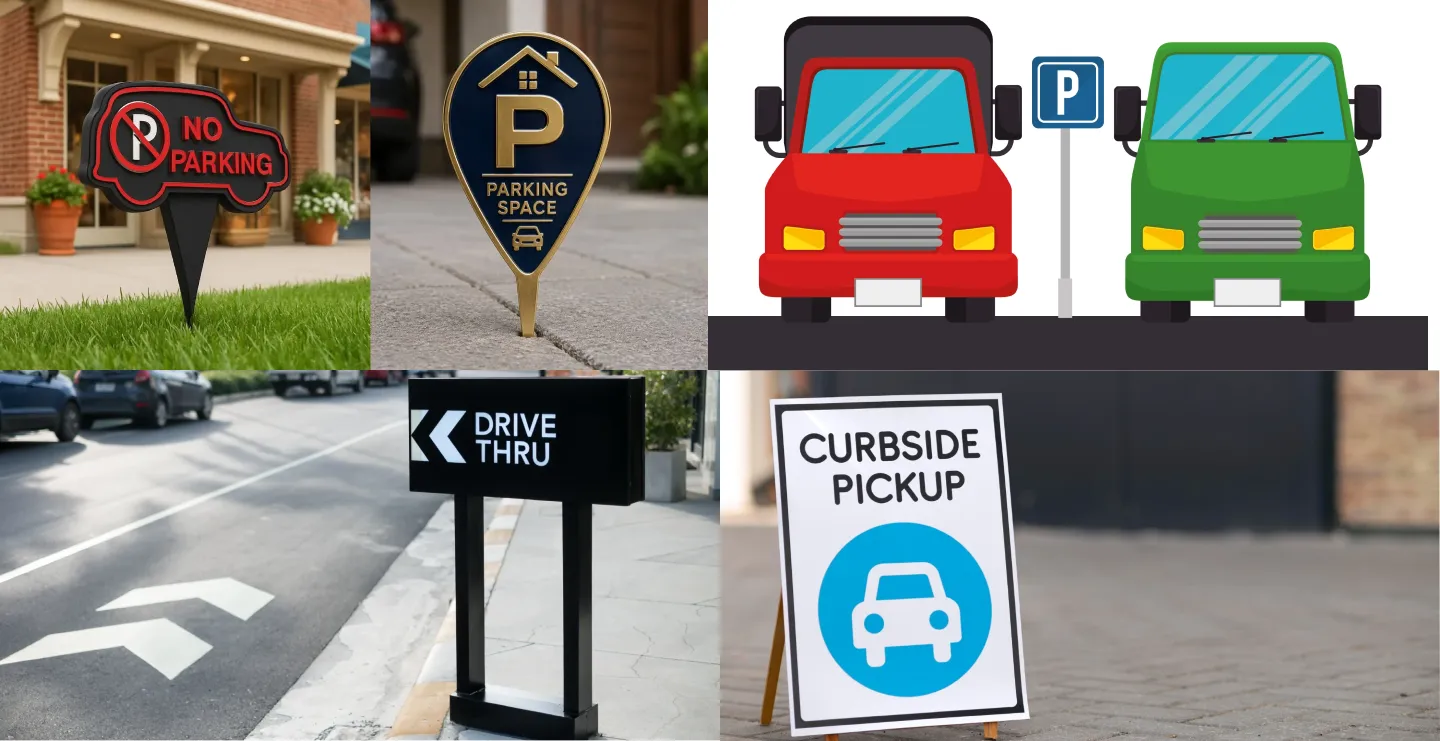
A parking sign board is a dedicated sign used to communicate rules, directions, or restrictions related to vehicle parking within a specific area. These signs typically display information such as reserved parking, no-parking zones, directional arrows, visitor parking, disabled parking, and time restrictions. They are commonly made from aluminium, PVC, or reflective sheeting and are mounted on poles, walls, or gates depending on the location.
Because parking signs are often read quickly by drivers who are simultaneously manoeuvring a vehicle, their design must prioritise instant clarity over decorative styling.
Why Parking Sign Board Design Matters
- Reduces confusion and traffic bottlenecks within parking areas
- Helps prevent unauthorised parking in reserved or restricted zones
- Improves safety by clearly marking pedestrian paths, speed limits, and directional flow
- Protects property owners from liability by clearly communicating rules and restrictions
- Enhances the professional appearance of commercial and residential properties
- Supports accessibility compliance by clearly marking reserved and disabled parking spaces
Key Elements to Consider for Parking Sign Board Design
1. Text Size and Readability
Since most parking signs are read from a moving vehicle, text must be large enough to read from a reasonable distance, typically using bold, sans-serif fonts with strong contrast against the background.
2. Colour Coding
Standardised colour coding helps drivers process information faster - red typically signals restriction or prohibition, blue often indicates accessible or reserved parking, and green or white is commonly used for general directional or informational signage.
3. Symbols and Icons
Universal symbols such as arrows, the wheelchair accessibility icon, or a "P" for parking reduce reliance on text alone, making signs easier to understand instantly, even for visitors unfamiliar with the property.
4. Reflectivity and Night Visibility
Outdoor parking signs benefit significantly from reflective sheeting or vinyl, ensuring they remain visible under headlights or low-light conditions, particularly important for basement or open-air night-time parking.
5. Mounting Height and Placement
Signs should be mounted at a height and angle that keeps them visible to drivers without being obscured by parked vehicles, landscaping, or other obstructions.
Popular Parking Sign Board Design Types


- Reserved parking signs - clearly marked with a name, unit number, or designation such as "Reserved" or "Visitor Only"
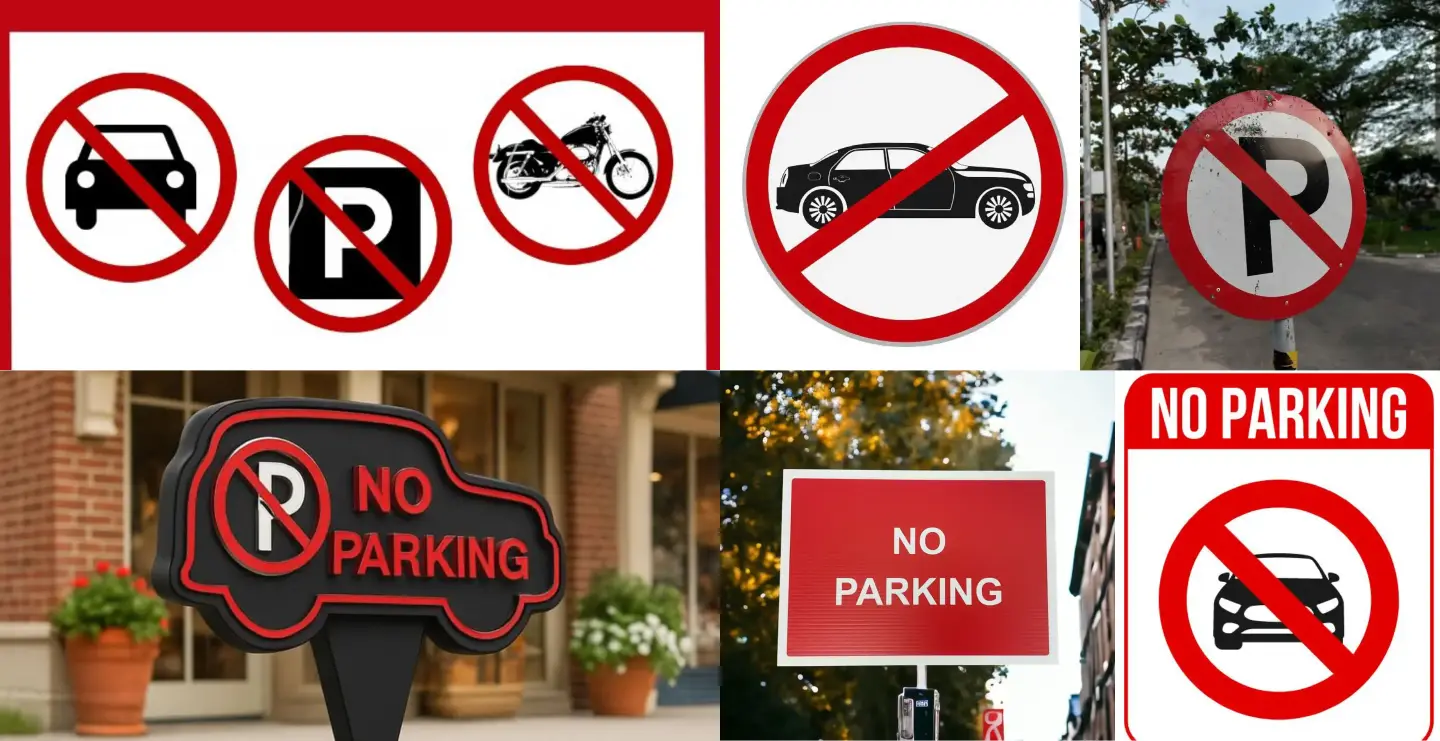
- No parking / restricted zone signs - bold red-and-white designs indicating prohibited areas
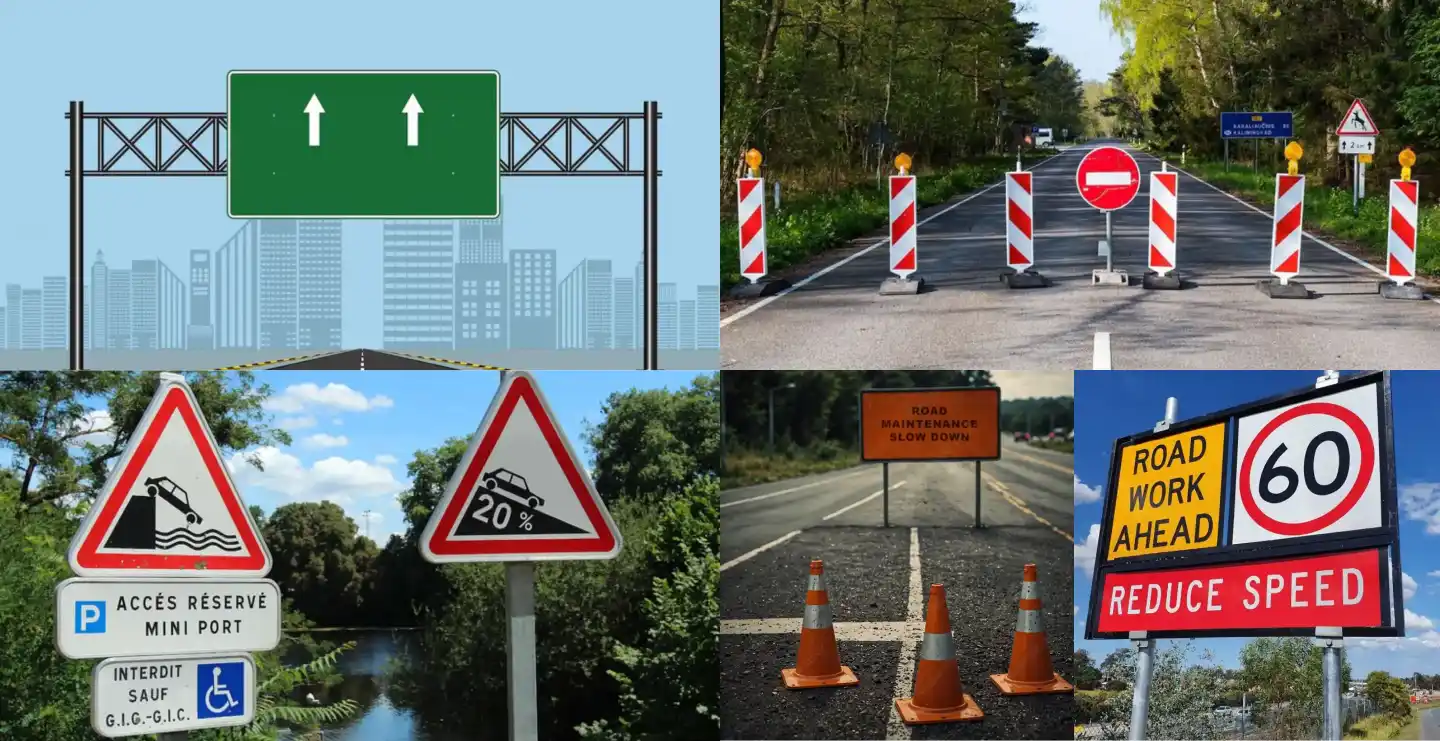
- Directional arrow signs - guiding traffic flow toward entrances, exits, or specific parking zones
- Disabled or accessible parking signs - featuring the standard accessibility symbol along with relevant regulatory text
- Time-restricted parking signs - specifying permitted hours or maximum duration for parking in a given zone
Factors to Consider Before Finalising Your Design
- Location type - indoor basement parking, open-air lots, and street-facing signage each require different materials and reflectivity levels
- Local regulations - some municipalities have specific requirements for parking sign wording, symbols, or placement
- Durability needs - outdoor signs need weatherproof materials, while indoor signage can use lighter, more economical options
- Number of signs required - large parking facilities often need a consistent sign system across multiple zones, which should be planned together rather than individually
- Vandalism resistance - high-traffic public areas may benefit from tamper-resistant mounting and scratch-resistant surfaces
Parking Sign Board Price in India (2026)
Pricing depends on material, size, reflectivity, and whether the sign is custom-printed or a standard design. Here is a general breakdown to help you plan your budget before requesting a detailed quote.
Raw Material Cost
Aluminium composite panels for parking signs typically cost between Rs. 60 and Rs. 120 per square foot, while reflective vinyl sheeting adds an additional Rs. 40 to Rs. 100 per square foot depending on grade.
Fabricated Sign Board Cost
Standard non-reflective parking signs generally cost Rs. 300 to Rs. 700 per square foot including printing and mounting hardware. Reflective, weatherproof parking signs typically range from Rs. 600 to Rs. 1,200 per square foot depending on size and finish quality.
| Sign Board Type | Approximate Price per Sq. Ft. |
|---|---|
| Raw aluminium composite panel | Rs. 60 - 120 |
| Reflective vinyl sheeting (added cost) | Rs. 40 - 100 |
| Standard non-reflective parking sign, fabricated | Rs. 300 - 700 |
| Reflective, weatherproof parking sign, fabricated | Rs. 600 - 1,200 |
What Affects the Final Price
- Sign size and overall square footage
- Material choice, including aluminium, PVC, or reflective sheeting
- Number of colours and complexity of printed graphics or symbols
- Mounting method, including pole-mounted, wall-mounted, or freestanding options
- Quantity ordered, since bulk orders for large facilities often reduce per-unit cost
These figures are indicative and vary by city, supplier, and exact specifications. Always request a detailed quote for your particular requirement.
Choosing the Right Sign Board Manufacturer
Parking signage needs to balance clarity, durability, and compliance with local expectations, which makes experience important when choosing a fabricator. A reliable signage company will help plan sign placement across an entire lot or facility, recommend appropriate materials for the specific environment, and ensure consistent design across every sign in the system.
Final Thoughts
A well-designed parking sign board system improves safety, reduces confusion, and reflects positively on the property it serves. By prioritising readability, appropriate colour coding, and durable materials suited to the location, you can create parking signage that works effectively for years with minimal maintenance.
Frequently Asked Questions
What materials are best for outdoor parking signs?
Aluminium composite panels with reflective vinyl are among the most popular choices for outdoor parking signs due to their durability and night-time visibility.
Do parking signs need to be reflective?
Reflective materials are strongly recommended for any parking sign exposed to low-light or night-time conditions, as they significantly improve visibility for drivers.
Can parking signs be customised with a business name or logo?
Yes, most parking signs can include a business name, logo, or specific wording alongside standard symbols and regulatory text.
How long do outdoor parking signs typically last?
With quality materials and proper installation, outdoor parking signs typically last 5 to 8 years before fading or wear requires replacement.