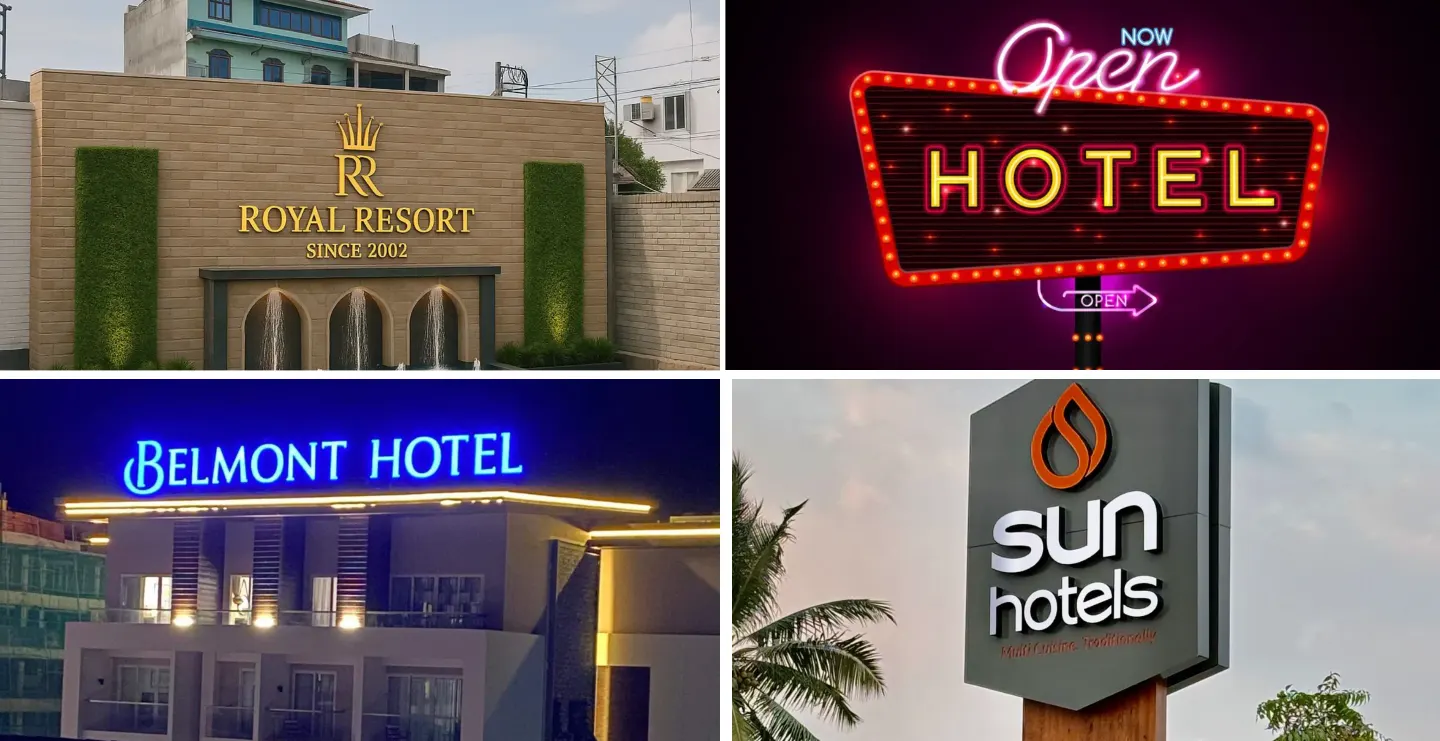
A hotel's outdoor Sign board serves a critical dual purpose: it must be immediately recognizable as a hospitality establishment while establishing luxury, trust, and professionalism with potential guests. Unlike retail businesses that rely primarily on aesthetic appeal, hotel Sign boards must balance branding with service communication, premium positioning, and accessibility information. This comprehensive guide covers everything you need to know about designing effective outdoor hotel Sign boards that attract guests while maintaining the professional luxury standards your hospitality business requires.
Why Professional Hotel Sign board Design Matters
Hotels operate in a hospitality market where guests must feel confident about the professionalism, safety, and quality standards of the establishment. Your outdoor Sign board is the first statement about your hotel's reliability, luxury positioning, and service standards. Studies show that 60% of guests choose hotels based on facility visibility and first impressions, with the Sign board playing a central role in that decision-making process.
A well-designed hotel Sign board communicates several critical messages simultaneously: your business is legitimate and professionally operated, guests will receive quality hospitality services, and your hotel maintains high standards for safety and comfort. A poorly designed Sign board undermines these messages and can drive potential guests toward competitors with better visual presentation and luxury communication.
Essential Elements of Hotel Sign board Design
Hotel Name and Brand Identity
Your hotel name must be prominently displayed in large, legible typeface that communicates your positioning level. Whether your hotel is budget, mid-range, or luxury, the Sign board typography should reflect that positioning. Luxury hotels require elegant, sophisticated fonts communicating premium positioning, while mid-range hotels can employ modern, approachable typography. The hotel name should be visible from at least 100-150 metres away for roadside visibility, as potential guests often identify hotels from distance when navigating unfamiliar areas.
Hotel Category and Services Communication
Your hotel Sign board should clearly communicate the type of hospitality service offered. Include designations such as "5-Star Luxury Hotel," "Business Hotel," "Budget Inn," or "Heritage Hotel" helping potential guests understand your positioning. Include information about key services such as conference facilities, fine dining, spa services, or business centres that differentiate your property. This information builds guest confidence by communicating available amenities and service quality standards.
Essential Information Display
Outdoor hotel Sign boards should include contact phone numbers, website information, and reception desk hours. For hotels with 24-hour reception, this should be prominently displayed. Information about parking availability, accessible room information, or reservation contact details helps potential guests understand facility capabilities. Emergency contact information is particularly important for hotels offering round-the-clock services. This information builds guest confidence by showing your commitment to accessibility and professional service.
Color Psychology and Professional Hotel Branding
Hotel Sign boards employ colours that communicate hospitality, luxury, and trustworthiness. Gold, black, and cream suggest luxury positioning suitable for upscale properties. Deep blue and silver communicate professionalism and reliability for business hotels. Warm earth tones suggest comfort and welcomingness for resort properties. Green communicates tranquillity for wellness-focused hotels.
Your colour scheme should align with your hotel's brand identity while maintaining professional luxury appearance. Avoid colour combinations that reduce contrast or appear unprofessional. A hotel Sign board using sophisticated, refined colour schemes projects higher quality and luxury positioning than one using trendy or flashy colours that may diminish perceived hospitality standards.
Choosing Materials for Outdoor Hotel Sign boards
LED Sign boards for Modern Hotel Visibility

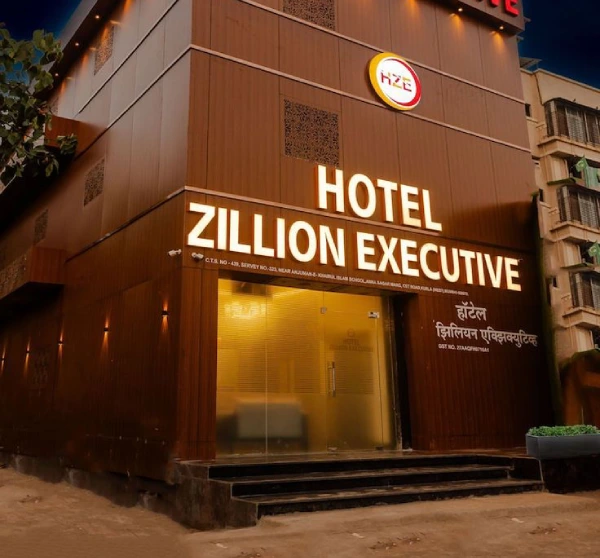
LED hotel Sign boards are increasingly popular for their energy efficiency, dynamic capabilities, and superior visibility during evening and night hours. LED displays allow you to showcase hotel information, advertise special offers, or display welcome messages. For hotels in business districts or on busy roads, LED Sign board ensure consistent visibility regardless of ambient lighting conditions.
LED technology is particularly valuable for hotels located in areas with heavy evening traffic. The bright, crisp illumination communicates professionalism and luxury while ensuring your hotel remains visible and accessible even when darkness could make traditional Sign boards difficult to read. Modern LED designs maintain elegance while maximizing visibility.
Acrylic Sign boards for Professional Hotel Aesthetics

Acrylic Sign board are excellent for hotel applications due to their durability, professional appearance, and weather resistance. They can incorporate hotel names, logos, and service information in clean, professional styling. Acrylic maintains its appearance through years of weather exposure and requires minimal maintenance, making it a cost-effective investment that communicates stability and professionalism. Premium acrylic finishes can convey luxury positioning appropriate for upscale hotels.
Neon Sign boards for Elegant Hotel Branding

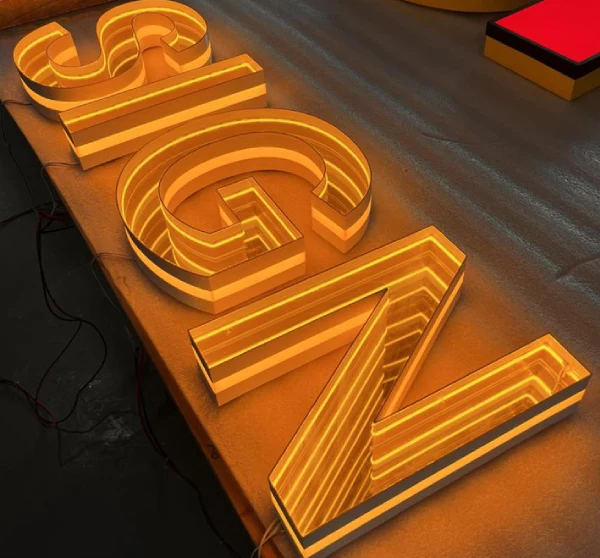
Neon Sign board create a distinctive, sophisticated aesthetic that communicates premium hospitality services and establishes your hotel as a trusted, established property. Neon's warm, inviting glow creates an ambient atmosphere that works exceptionally well for hotels located in upscale areas or resort destinations where elegance and professionalism are paramount. The characteristic glow of neon conveys hospitality heritage and timeless luxury, suggesting a hotel that has been serving distinguished guests for many years.
Metal Sign boards for Premium Hotel Positioning
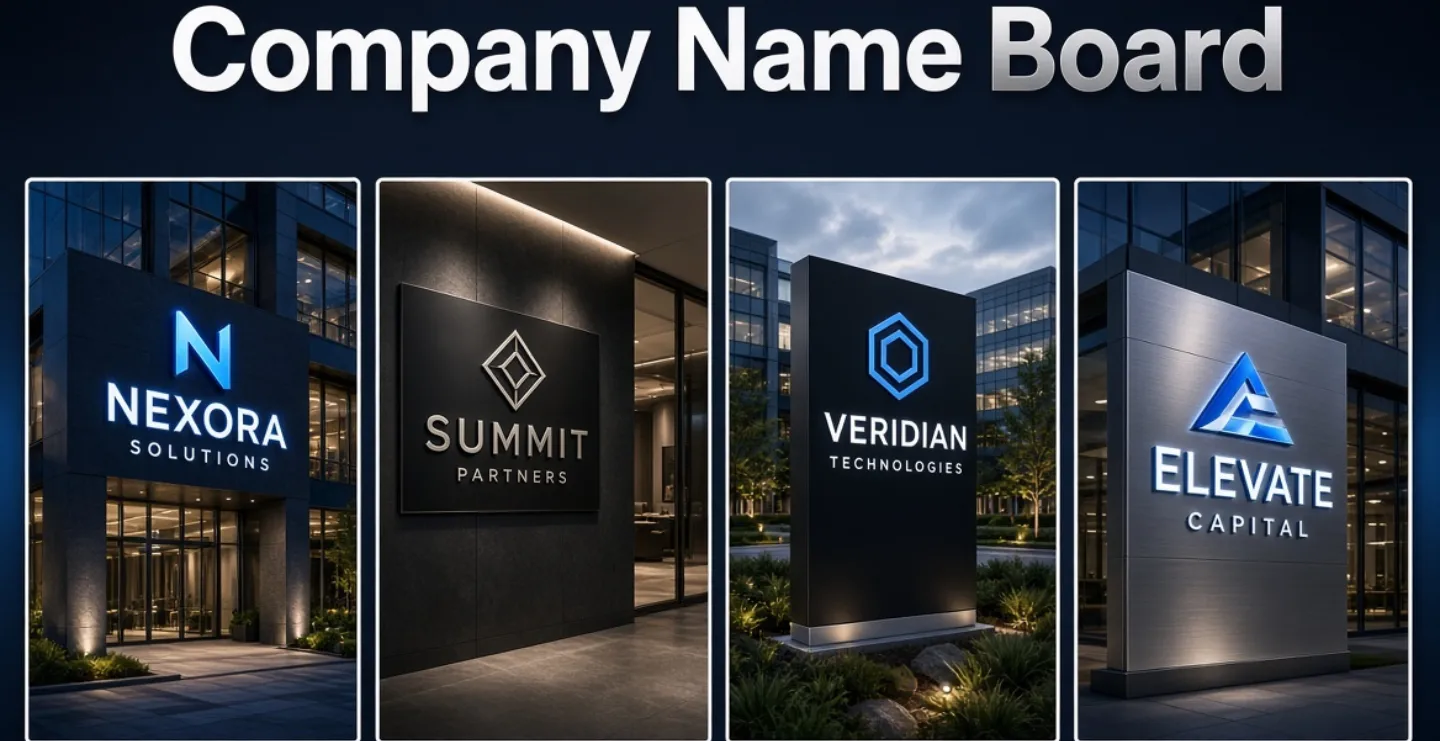
Stainless steel or aluminium Sign boards project a contemporary, professional image suitable for modern hotel chains or luxury independent properties. Metal Sign boards resist weathering exceptionally well and can incorporate elegant embossed or engraved elements communicating premium positioning. They work particularly well for business hotels, contemporary resorts, or properties in upscale commercial areas seeking to convey premium service standards and architectural sophistication.
Traditional and Heritage Hotel Sign boards

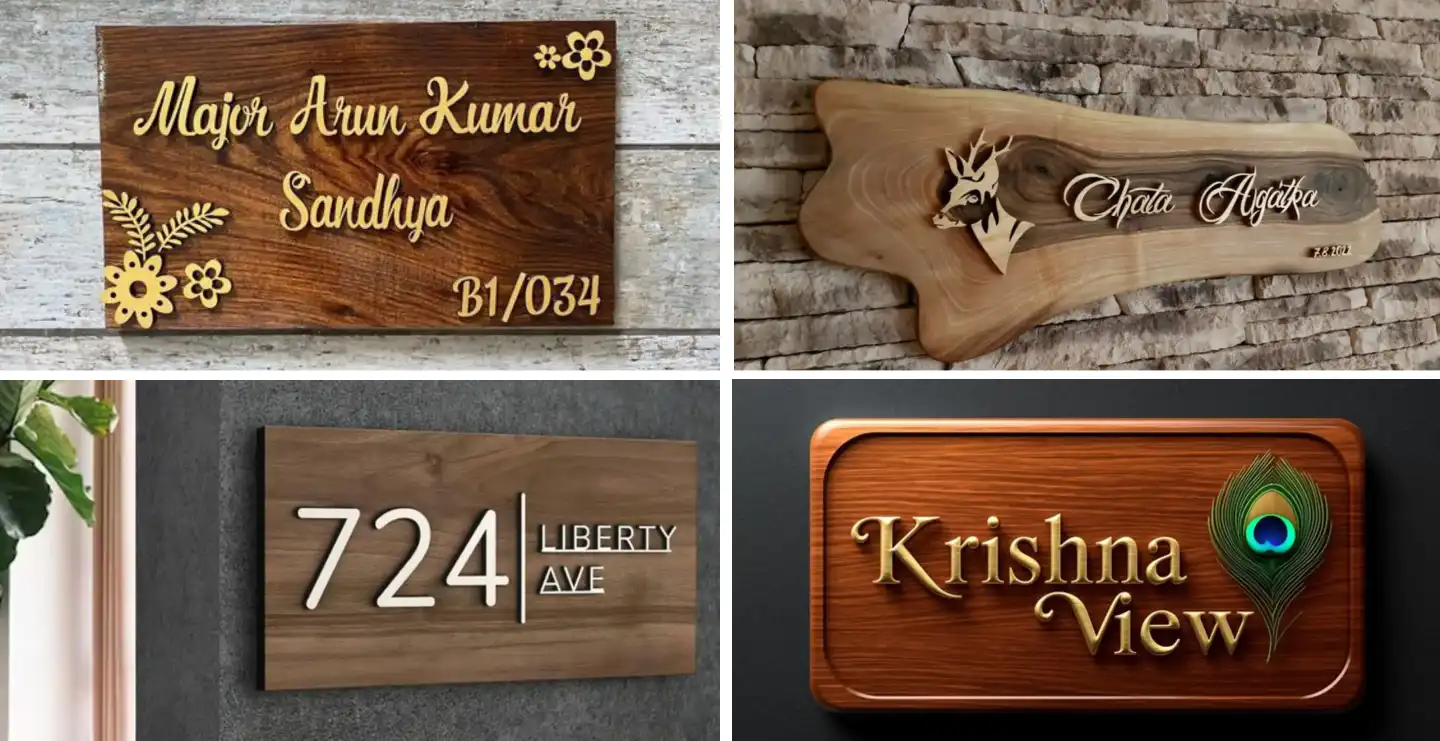
While less common for new installations, traditional painted Sign boards can work excellently for heritage hotels, palace hotels, or established properties in historic locations. Wooden Sign boards with carved lettering offer warmth and heritage appeal, though they require regular maintenance to preserve appearance and legibility. Traditional Sign boards should be refreshed regularly to maintain professional appearance while communicating heritage and established hospitality tradition.
Regulatory Compliance in Hotel Sign board Design
Before designing your hotel Sign board, research local and national regulations governing hotel signage and hospitality properties. Many jurisdictions require specific information to be displayed, including hotel classification, contact information, and accessibility information. Some regions mandate particular Sign board sizes, placement restrictions, or symbol usage. Non-compliance can result in penalties or requirements to modify your Sign board.
Include your hotel's classification level prominently on the Sign board. This satisfies regulatory requirements and signals professionalism to guests. Display contact numbers clearly, including phone and website information. If your hotel operates 24-hour reception, this should be distinctly highlighted on your Sign board. Accessibility information for guests with disabilities should be clearly communicated.
Placement and Visibility Strategy for Hotels
Position your hotel Sign board at guest eye level, between 1.5 to 2.5 metres high from ground level. This placement ensures visibility for both pedestrians and vehicle occupants approaching your hotel. Avoid positioning Sign boards so high that they're difficult to read from ground level or so low that they're obstructed by vehicles or landscaping.
For hotels in commercial complexes or hospitality districts, ensure your Sign board is clearly visible from main corridors, primary entrances, and key approach points. Consider sightlines from major traffic flow directions. Your Sign board should be readable by guests approaching from the most common entry points to your hotel location. Strategic placement helps guests locate your property efficiently, reducing confusion and improving guest experience.
If your hotel is located in a busy hospitality area with multiple competing properties, ensure your Sign board stands out through distinctive design, premium materials, or superior lighting rather than competing solely through size or brightness. Strategic placement and elegant design often outperform larger, poorly-positioned Sign boards in upscale hospitality markets.
Lighting Design for Hotel Sign boards
Proper illumination is essential for hotels, especially those welcoming guests during evening hours and operating 24-hour reception services. LED spotlights directed at your Sign board create visibility without relying on the Sign board itself to generate light. This approach works well for acrylic, metal, and painted Sign boards while controlling energy consumption and environmental impact.
For luxury hotels, consistent premium illumination is critical for maintaining elegant hospitality atmosphere. Warm-white lighting (around 3000K colour temperature) is more welcoming and sophisticated than cool white, better aligning with luxury hospitality spaces. Strategic uplighting or architectural accent lighting can enhance Sign board presentation and overall property appearance. Motion-sensor lighting can reduce energy consumption while maintaining visibility during low-traffic hours.
Design Best Practices for Professional Hotel Sign boards
Simplicity and Professional Luxury Appearance
The most effective hotel Sign boards deliver clear messages without visual clutter. Your hotel name should be the primary focal point, with secondary information like contact details and classification positioned for easy reading. Avoid overcrowded designs that reduce legibility or luxury appearance. Clean, uncluttered designs communicate sophistication and premium positioning better than busy, complex Sign boards.
Consistency with Interior Hotel Branding
Your exterior Sign board should reflect the interior luxury, design aesthetic, and service standards of your hotel. A Sign board promising five-star service followed by entry into a poorly maintained property damages guest trust. Consistency between exterior Sign board presentation and interior hospitality standards builds confidence in your property's overall quality and professionalism.
Service and Facility Information Display
Clearly indicate special services available at your hotel through subtle Sign board elements. If you offer fine dining, spa services, conference facilities, or business centres, this can be communicated through small icons or text beneath your main Sign board. This helps potential guests immediately understand your property's comprehensive service offerings and unique positioning.
Common Hotel Sign board Design Mistakes to Avoid
Many hotels damage their professional credibility through Sign board design errors. Avoid displaying outdated information, incomplete contact details, or promotional materials that appear neglected or poorly maintained. A hotel Sign board with faded colours, broken lighting, or peeling materials communicates poor maintenance and reduces guest confidence in overall property standards.
Don't attempt to crowd excessive information onto your Sign board. While certain information is necessary, lengthy lists or complex text reduce professional luxury appearance. Include essential information: hotel name, classification, contact phone, website. Additional information can be displayed on secondary signage, reception areas, or your website.
Steer clear of designs that don't clearly communicate your hotel's hospitality focus and luxury positioning. Trendy design elements that obscure the hotel name or positioning undermine your Sign board's primary function. Professional hospitality signage should prioritize clarity, elegance, and luxury communication over aesthetic trendiness.
Measuring Hotel Sign board Effectiveness
After implementing your hotel Sign board, track relevant metrics to assess its impact. Monitor guest acquisition, online searches for your hotel location, and walk-in guest frequency. Ask new guests how they discovered your property-if Sign board visibility features prominently, your design is working effectively.
Track occupancy rates and direct booking volumes before and after Sign board installation to measure business impact. Monitor seasonal variations to understand how lighting and environmental factors affect visibility and guest acquisition patterns. Assess guest feedback about Sign board visibility and property identification when gathering post-stay reviews.
Frequently Asked Questions About Hotel Sign board Design
Q: What is the ideal size for a hotel Sign board?
A: Hotel Sign board size depends on your location's typical guest approach distance and surrounding area characteristics. For street-level hotels, Sign boards should be large enough to read from at least 100-150 metres away. For hotels in commercial complexes, sizing should match the Sign board standards of other properties while ensuring your hotel name and classification are prominently visible. Consult local regulations, as many jurisdictions specify maximum allowable Sign board sizes.
Q: Can I use multiple colours on my hotel Sign board?
A: Yes, multiple colours can enhance your hotel Sign board if they maintain excellent contrast and professional luxury appearance. Your primary brand colours should dominate, with complementary colours used for secondary information. Avoid colour combinations that reduce contrast or appear unprofessional. Three colours maximum is generally recommended to maintain clean, sophisticated aesthetics appropriate for hospitality positioning.
Q: What information is mandatory on a hotel Sign board?
A: While specific requirements vary by jurisdiction, hotel Sign boards typically require hotel name, classification level (star rating), and contact information. Include 24-hour reception numbers, website, and accessibility information. Check local regulations to determine specific mandatory information for your hospitality market and location.
Q: How often should I maintain or update my hotel Sign board?
A: Hotel Sign boards should be inspected monthly for damage, fading, or lighting issues. Clean your Sign board regularly to remove dirt and debris that diminish visibility and appearance. Refresh or repaint Sign boards every 3-5 years depending on material type and weather exposure. Update Sign board information immediately if your contact details, hours, or special services change.
Q: What lighting is best for 24-hour hotels?
A: 24-hour hotels should use consistent, reliable lighting that maintains Sign board visibility throughout day and night. LED spotlights with warm-white colour temperature (3000K) provide welcoming, elegant illumination. Consider architectural accent lighting enhancing property appearance and Sign board presentation. Motion-sensor controls can reduce energy consumption during low-traffic hours while maintaining visibility and safety.
Q: Should I display my hotel star classification on the Sign board?
A: Yes, displaying your hotel classification prominently is highly recommended and required by regulations in many jurisdictions. This information communicates your positioning and service standards to potential guests, building trust and setting appropriate expectations for arriving guests.
Q: Can I advertise special promotions on my hotel Sign board?
A: Yes, promotional messaging about special rates, packages, or offers can be displayed on hotel Sign boards, particularly through digital or changeable elements. However, ensure promotional information doesn't overshadow primary hotel identification. Promotional messages should enhance rather than distract from main Sign board function.
Q: What is the best material for outdoor hotel Sign boards?
A: The best material depends on your location, budget, and luxury positioning. LED Sign boards offer maximum visibility and contemporary appeal. Acrylic provides professional aesthetics at moderate cost with excellent durability. Metal Sign boards project premium luxury positioning. Neon creates distinctive elegant aesthetics. All materials should be weather-resistant and require minimal maintenance to preserve professional appearance. Consult with Sign board professionals to select the best material for your specific location and hospitality positioning.
Conclusion: Invest in Professional Hotel Sign board Design
Your hotel's outdoor Sign board is a critical marketing and hospitality tool that operates 24/7 to communicate professionalism, luxury, trustworthiness, and accessibility to potential guests. Professional investment in quality design, appropriate materials, proper placement, and adequate lighting yields returns through increased guest acquisition, improved perception, and business growth.
Whether you're opening a new hotel or refreshing your existing Sign board, prioritize professional luxury appearance, regulatory compliance, and clear communication of your hotel's services and positioning. Work with experienced professionals who understand hospitality industry standards and local market conditions. Your hotel Sign board is not just a name display-it's your hospitality business's professional ambassador, making the critical first impression that converts potential guests into loyal customers and brand advocates.