First impressions often begin at the gate. Whether it is a home, a factory, a school, a clinic or a farmhouse, the name plate at the entrance tells visitors who you are before they say a word. When that plate sits outside, facing sun, rain, dust and humidity every day, the material you pick matters more than the design. This is where metal name plates for outdoor use earn their reputation: they stay sharp, readable and professional for years.
In this guide we explain why metal is the smartest choice for outdoor name plates, which metals work best, how the lettering is made, and how to choose the right plate for your space.
Why Choose Metal for Outdoor Name Plates?
Outdoor signs face a harsh environment. Plastic can fade and become brittle, paper-based boards peel, and untreated wood can swell and crack. Metal handles these conditions far better. A well-made metal name plate resists fading, shrugging off direct sunlight and heavy monsoon rain, and it keeps its shape through summer heat and winter cold.
Metal also carries a sense of permanence. A solid plate on a wall or gate says that your home or business is established and serious. It is a one-time investment that rarely needs replacing, which makes it economical in the long run.
Best Metals for Outdoor Name Plates
Stainless Steel
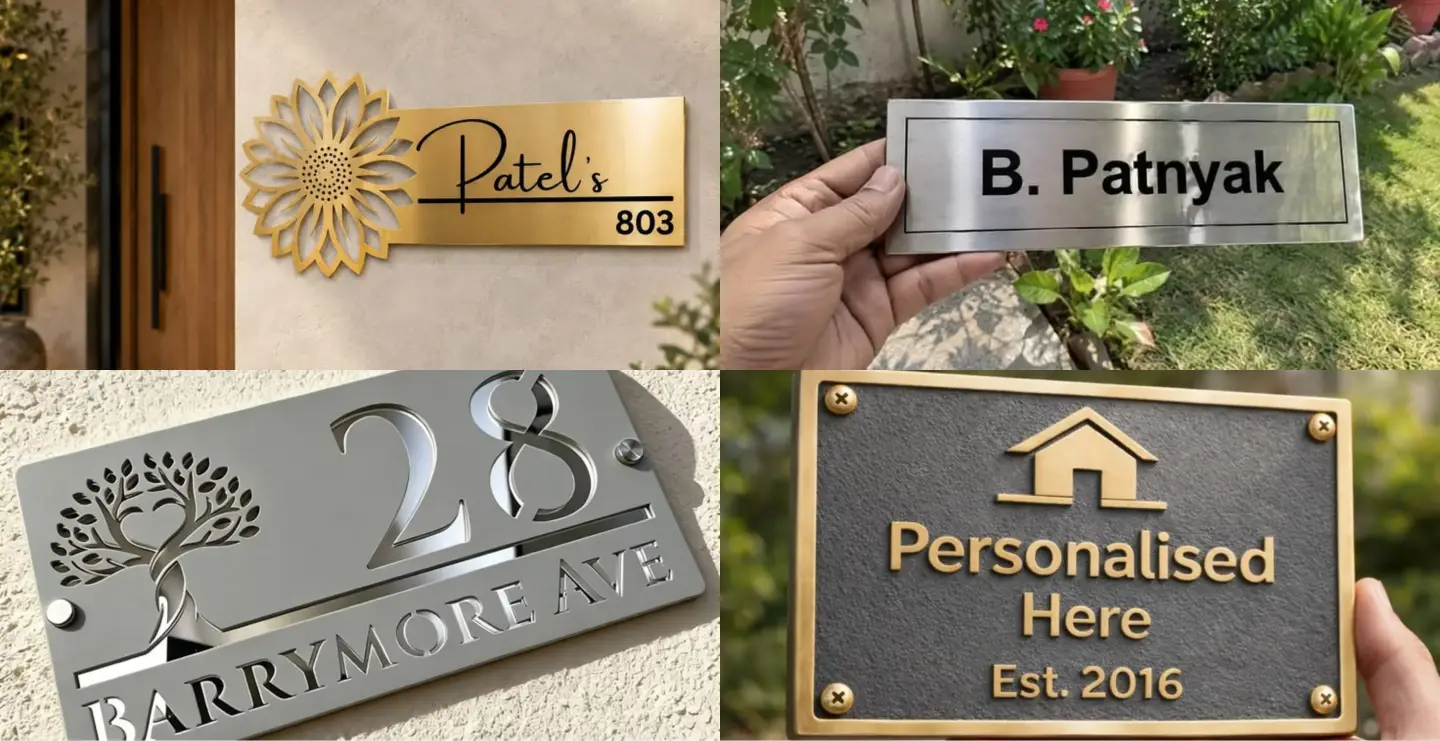
Stainless steel is the most popular choice for outdoor use. It resists rust and corrosion, cleans easily with a damp cloth and suits both modern and traditional buildings. Brushed or mirror-polished finishes are both available. Mirror finish looks bright and premium, while brushed finish hides fingerprints and light scratches better.
Brass
Brass offers a warm golden look that suits bungalows, heritage buildings, temples, hotels and boutique offices. It develops a gentle patina over time, which many owners love. If you prefer a constant shine, a clear protective coating can be applied so the colour stays bright for longer.
Aluminium
Aluminium is lightweight, naturally rust-free and budget friendly. It is ideal for large plates where weight could be a problem, such as signs fixed on compound walls or thin gates. It can be powder coated in many colours, making it flexible for brand-based designs.
Copper and Bronze
These metals give a rich, artistic look. They are chosen for premium villas, restaurants and design studios. Like brass, they age gracefully and develop character with time.
How Letters and Logos Are Made on Metal
The look of your plate depends on the process used. Each method has its own style and durability.
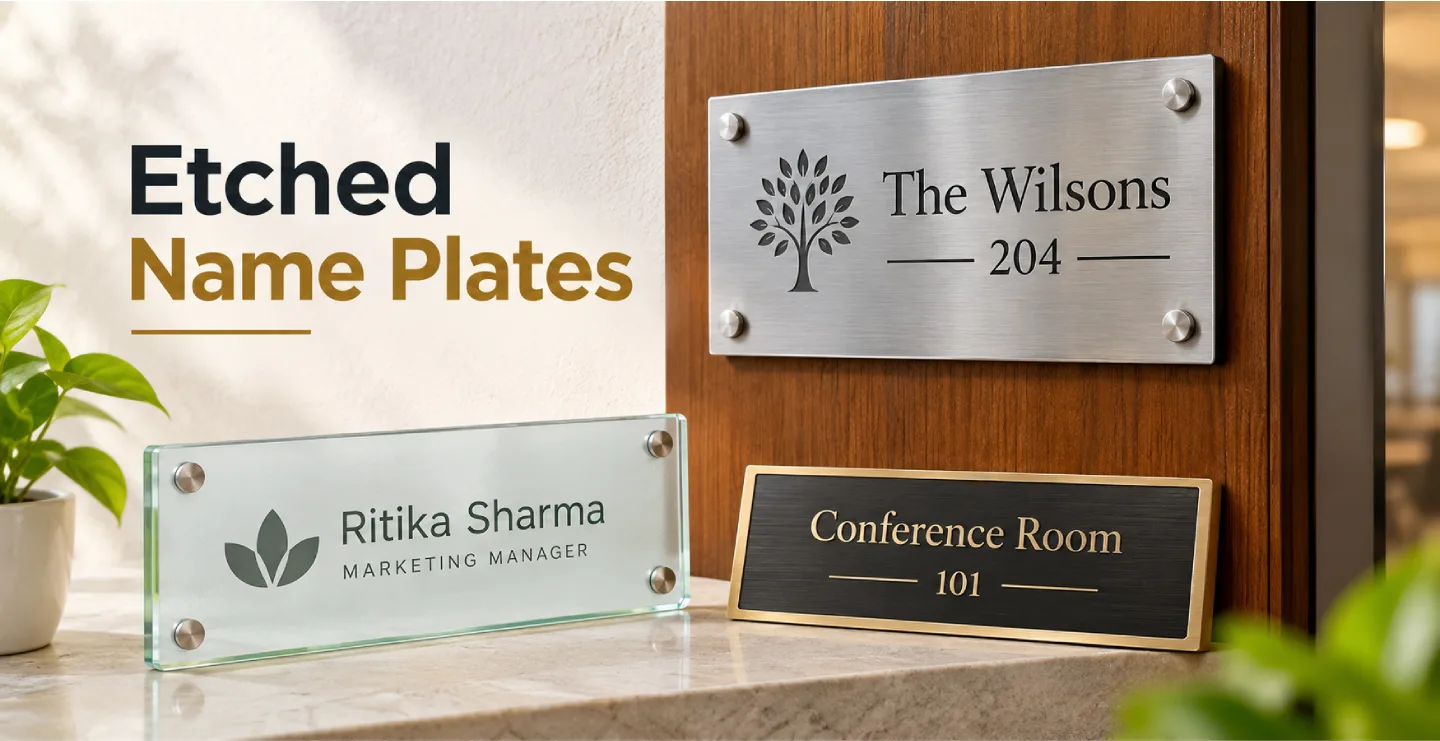
- Etching: The design is eaten into the metal using a controlled chemical process, then filled with black or coloured enamel. It gives crisp, long-lasting detail, even for small text.
- Engraving: A machine cuts the letters into the surface. It is deep, clean and ideal for bold names and numbers.
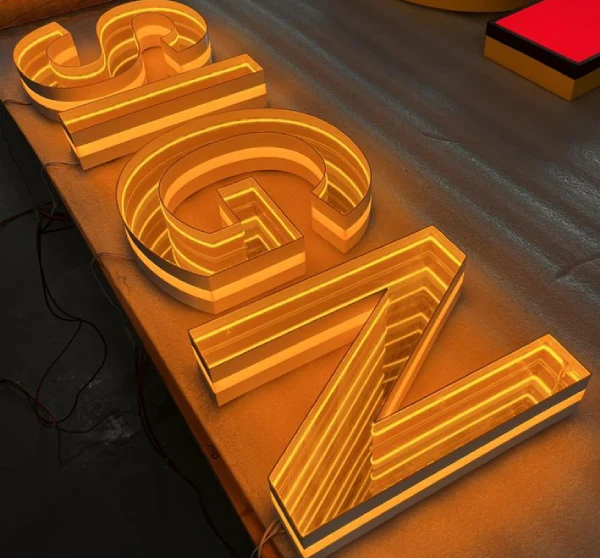
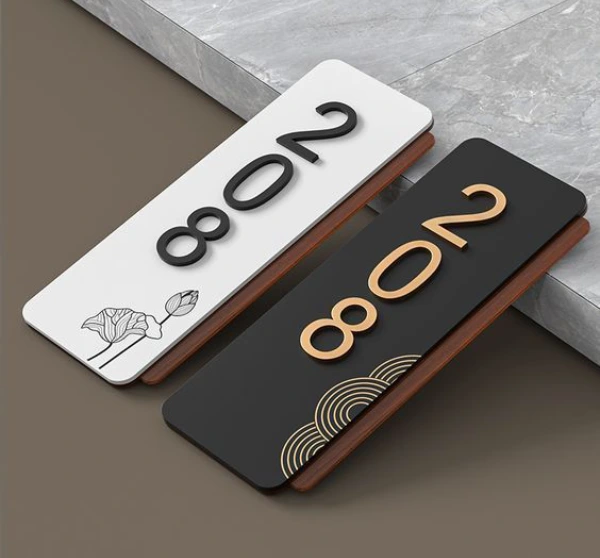
- Laser cutting: Letters or shapes are cut out completely, then mounted on a backing plate for a three-dimensional effect.
- Embossing: The lettering is raised above the surface, giving a classic, tactile feel.
For outdoor plates, etched and engraved lettering is usually the best balance of durability and appearance, because the design is part of the metal rather than a layer on top.
Design Tips for Outdoor Readability


A beautiful plate is useless if nobody can read it. Keep these simple rules in mind when planning your design.
- Choose clear, simple fonts. Very decorative scripts look elegant up close but become hard to read from the road.
- Maintain strong contrast. Black lettering on a bright steel background, or gold lettering on a dark base, reads well at a distance.
- Size the plate for viewing distance. A house name seen from two metres needs smaller text than a company board seen from the street.
- Do not overcrowd the plate. A name, a number and perhaps a small logo is often enough.
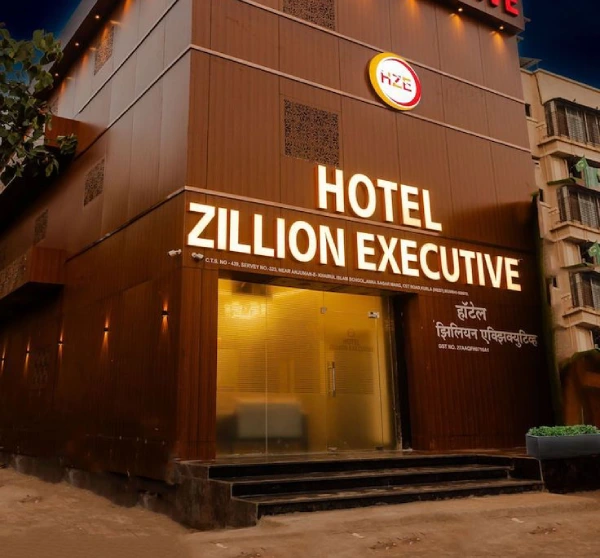
- Think about lighting. If the plate will be seen at night, consider a spotlight or backlit option.
Common Uses of Outdoor Metal Name Plates
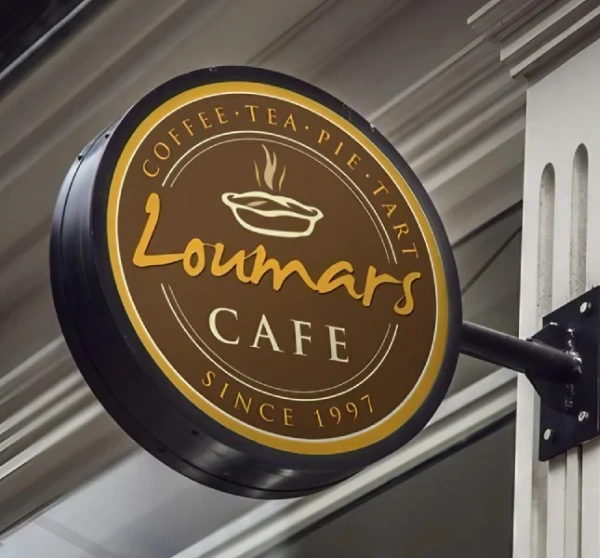
Metal plates work almost anywhere. Homeowners use them on gates, pillars and main doors to show the family name and house number. Businesses use them at the entrance of offices, factories and warehouses. Schools, hospitals and clinics rely on them for clear identification. Apartment societies use them for tower names, flat numbers and directional boards. Hotels, resorts and restaurants choose them to create a premium first impression.
Installation Methods
How you mount the plate affects both appearance and safety. The common options include:
- Screw mounting with caps: Visible but neat decorative screws hold the plate firmly in place.
- Standoff mounting: The plate floats slightly away from the wall, creating a shadow effect and a modern look.
- Adhesive mounting: Strong industrial tape or adhesive works for smooth surfaces and lighter plates.
- Post or pole mounting: Used for freestanding boards at gates, driveways and gardens.
For heavy plates or windy locations, screw or standoff mounting is the safest choice. Always use stainless steel fasteners outdoors so the screws do not rust and stain the plate.
Maintenance: Keeping Your Plate Looking New
Metal name plates are low-maintenance, but a little care keeps them looking fresh. Wipe the surface with a soft cloth and mild soap water every few weeks to remove dust and bird droppings. Avoid harsh acids, bleach or abrasive scrubbers, which can scratch the finish. For brass, a clear lacquer coating reduces tarnish. If you live near the coast, rinse the plate occasionally with clean water to remove salt deposits.
How to Choose the Right Outdoor Metal Name Plate
Before ordering, ask yourself a few questions. Where will the plate be placed, and how much sun and rain will it receive? Who will read it, and from what distance? Does the style match your building? What is your budget? Answering these helps you decide the metal, size, lettering method and mounting style.
It also helps to see a sample or a digital preview before production. A trusted signage maker will share a design mock-up so you can confirm spelling, spacing and colours. Always double-check names and numbers, since a spelling mistake on metal cannot be erased.
Frequently Asked Questions
Will an outdoor metal name plate rust?
Stainless steel, aluminium and brass resist rust far better than ordinary iron. Choosing the right grade and using stainless fasteners keeps rust away in most climates, including humid and rainy areas.
How long does an outdoor metal plate last?
With proper material and care, a quality plate can look good for ten years or more. Etched and engraved lettering lasts longer than stickers or printed layers.
Can I add a logo or house symbol?
Yes. Logos, borders, floral motifs and symbols can be etched, engraved or laser cut onto the plate, as long as the artwork file is clear and of good quality.
Final Thoughts
An outdoor name plate is a small item with a big job. It identifies your property, guides visitors and shapes the impression people carry with them. By choosing quality metal, a durable lettering method and a clear design, you get a plate that looks good on day one and still looks good years later.
At Brand Signages, we help homeowners and businesses plan name plates that match their space, style and budget. Share your idea, size and location, and you can get a custom outdoor metal name plate designed to stand out and last.