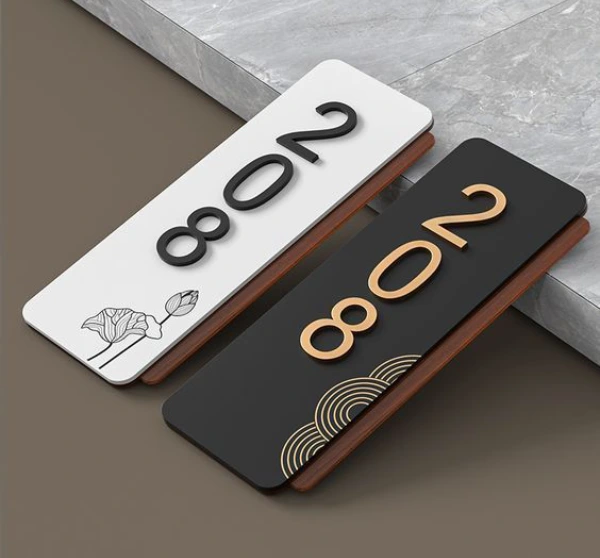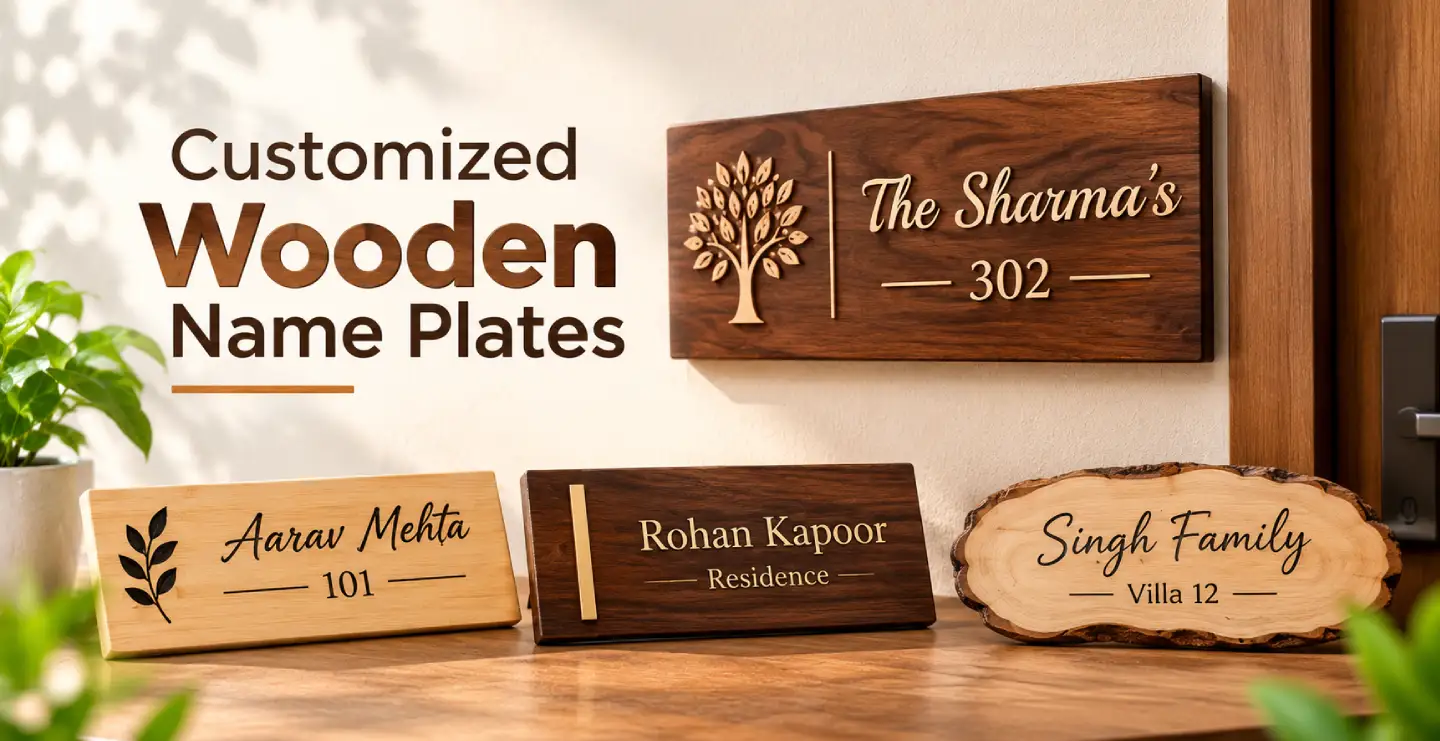
Metal looks sharp and acrylic looks sleek, but wood does something different: it feels welcoming. A wooden name plate brings natural texture, warmth and a handcrafted charm that suits homes, studios, cafes and offices alike. With customized wooden name plates, you can shape that charm to your own style, from the wood type to the lettering and finish.
This guide covers why wood remains popular, the best wood types, design and finishing options, and how to look after your plate so it stays beautiful.
Why Choose a Wooden Name Plate?
Natural Warmth
Wood has grain patterns, tones and textures that no other material can copy exactly. Each plate has its own character, which makes it feel personal and unique.
Versatile Style
Wood suits many design moods. Dark polished teak feels traditional and premium, light pine feels fresh and Scandinavian, and rustic reclaimed wood gives a vintage look. It blends with both modern and classic interiors.
Highly Customizable
Wood can be cut, carved, engraved, burnt, painted or combined with other materials such as brass letters or acrylic inserts. Almost any shape is possible, from a simple rectangle to a leaf, an arch or a custom outline of your logo.
A Gift With Meaning
Wooden plates make thoughtful gifts for housewarmings, weddings, anniversaries and retirements. A name carved into wood feels more personal than a mass-produced item.
Popular Wood Types for Name Plates


- Teak: Strong, naturally resistant to moisture and insects, with a rich golden-brown tone. A top pick for long-lasting plates, including covered outdoor areas.
- Sheesham (rosewood): Dark, attractive grain with good strength. Popular for traditional homes and offices.
- Mango wood: Affordable, with varied colours and patterns. Suitable for decorative indoor plates.
- Pine: Light and easy to work with, great for rustic, cottage-style or modern minimal designs.
- Oak: Heavy and durable with a bold grain, giving a classic and sturdy appearance.
- Engineered wood and plywood: Budget friendly and stable, often finished with veneer or laminate for consistent colour.
For plates that will see weather, choose a naturally durable wood like teak and apply a proper protective finish. For indoor use, you have more freedom to choose on looks and budget.
Ways to Personalize Wooden Name Plates
Laser Engraving
A laser burns the design into the wood, creating precise, dark lettering and detailed logos. It is clean, quick and works well for both single plates and bulk orders.
Hand or CNC Carving
Carved lettering gives depth and a handcrafted feel. CNC machines can create raised or recessed letters with consistent quality, while hand carving adds artistic uniqueness.
Painted Lettering
Paint can add colour and highlight the design. White or gold on dark wood is a striking combination, and brand colours can be used for business plates.
Mixed Materials
Metal letters on a wooden base, acrylic logos mounted on timber, or brass inlays give a premium, layered effect. This is a popular style for office reception walls and boutique shops.
Finishes That Protect and Enhance
The finish determines both the final look and how well the wood resists wear. Clear lacquer or varnish keeps the natural colour and adds a glossy or satin shine. Wood stain deepens the tone, turning pale wood into walnut or mahogany shades. Oil finishes bring out the grain and give a soft, natural feel. For outdoor or semi-outdoor use, a weather-resistant coating such as marine varnish helps guard against moisture and sunlight.
Whatever finish you choose, make sure all sides and edges are sealed. Exposed wood absorbs moisture and can warp or crack over time.
Where Wooden Name Plates Work Best
- Homes: Family name boards, house numbers and entrance plates with a welcoming touch.
- Offices: Desk plates, cabin names and reception signs for companies that prefer a warm, approachable identity.
- Cafes and restaurants: Table numbers, menu boards and entrance signs with a rustic or artisan feel.
- Studios and boutiques: Yoga studios, salons, craft shops and design spaces where natural materials match the brand.
- Gifts and events: Personalized plates for weddings, new homes and corporate recognition.
Design Tips for Wooden Plates
Respect the grain. Wood with strong grain patterns can compete with fine lettering, so choose bolder fonts or smoother woods if you want crisp text. Keep contrast in mind: dark engraving on light wood, or light paint on dark wood, helps readability.
Choose shapes thoughtfully. Rounded corners feel friendly, sharp rectangles feel professional, and live-edge boards feel natural and rustic. Keep layouts simple. A name, a short line or a small icon is usually enough, since wood already adds a lot of visual interest on its own.
If you are making a set of plates for a team or building, keep wood type, finish, font and size consistent to maintain a neat, unified look.
Mounting and Placement
Wooden plates can be screwed to the wall, hung with a rope or chain, attached with strong adhesive, or placed on a stand. Choose mounting based on weight and location. Keep wooden plates away from constant direct rain unless they are specially treated. A covered porch, verandah or sheltered entrance is ideal for home name boards.
Care and Maintenance
Dust the plate regularly with a dry or slightly damp soft cloth. Avoid soaking it in water or using harsh cleaners. If the plate is outdoors, re-apply a protective coat every year or two, depending on weather exposure. Keep it away from direct heat sources and prolonged sunlight when possible, since these can fade colour and dry the wood. Small scratches can often be touched up with matching wood polish.
Wood vs Other Materials
Compared with metal, wood is warmer and more artistic, though it needs more care in harsh climates. Compared with acrylic, it feels natural and handcrafted rather than glossy and modern. If your priority is a friendly, personal identity, wood is hard to beat. For rough outdoor conditions, you can combine both: a wooden base with metal lettering gives character and strength together.
Frequently Asked Questions
Can wooden name plates be used outside?
They can, if you choose durable wood such as teak and seal it well. For best results, place them under a shelter so they avoid constant rain and harsh sun.
Will the wood crack or warp?
Well-seasoned wood with a proper finish on all sides is much less likely to warp. Avoid placing plates near heat sources or in damp spots, and keep the finish in good condition.
Can I combine wood with other materials?
Absolutely. Brass letters, steel frames and acrylic logos on a wooden base are popular combinations that add contrast and durability while keeping the natural warmth of wood.
What details should I share when ordering?
Provide the exact text, preferred wood type, size, font style, finish colour and mounting method. A sample image or sketch helps the maker understand your vision clearly.
Final Thoughts
Customized wooden name plates turn a simple identifier into something with soul. With the right wood, thoughtful design and a good finish, your plate will welcome guests, reflect your personality and age gracefully.
If you are planning a wooden name plate for your home, office or business, Brand Signages can help you choose the wood, style and finish that fit your space and story.