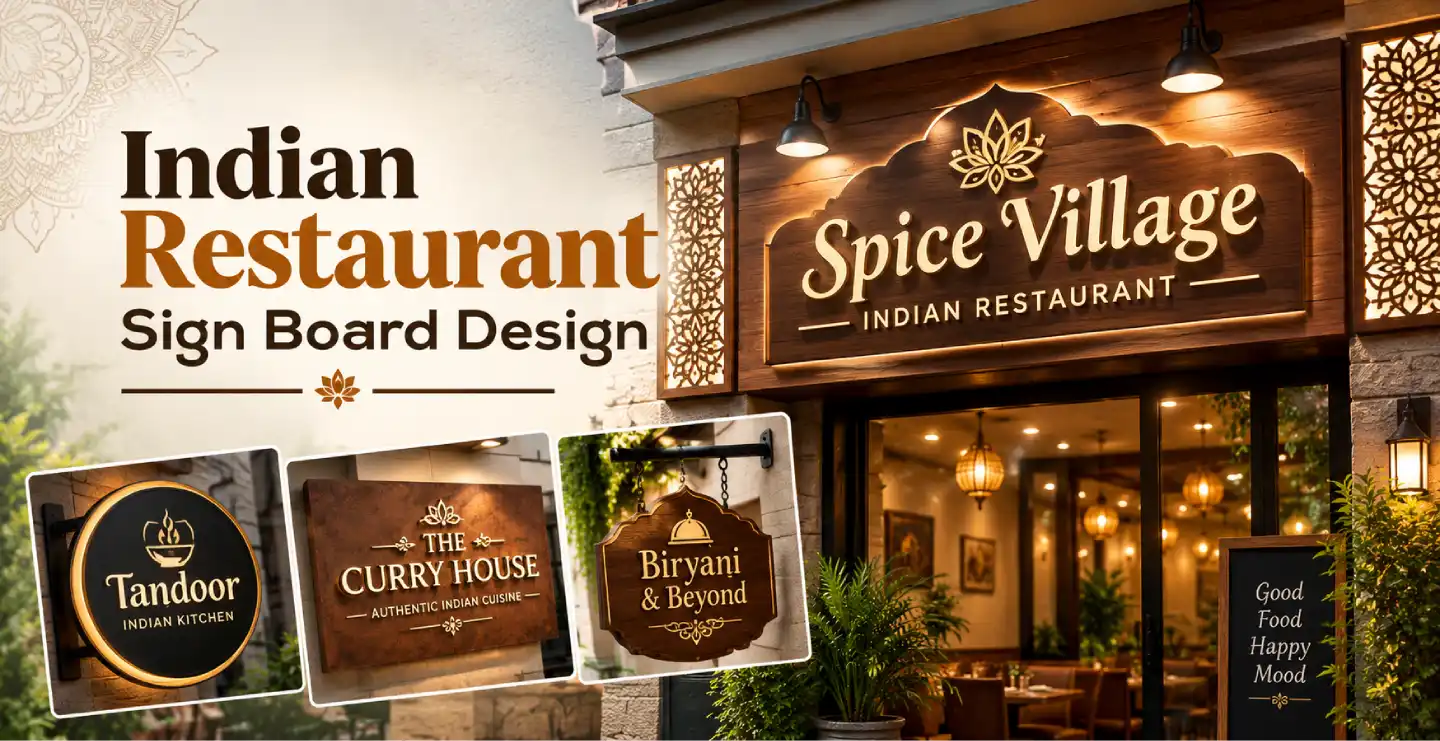
In India, food is emotion. People choose a restaurant not only by the menu but by the feeling the place gives from the street. That feeling begins with your sign board. A well-planned Indian restaurant sign board design tells passers-by what cuisine you serve, what kind of experience to expect and why they should walk in instead of walking past.
Whether you run a family dhaba, a South Indian tiffin centre, a biryani house or a fine-dining North Indian restaurant, this guide will help you plan a sign that works day and night.
Why Your Sign Board Is Your Best Salesperson
A sign board works twenty-four hours a day without a salary. Most walk-in customers decide within a few seconds, and what they see outside shapes that decision. A clean, bright and well-lit sign suggests a clean kitchen and good service. A faded, crooked or badly lit board can send people elsewhere, no matter how tasty your food is.
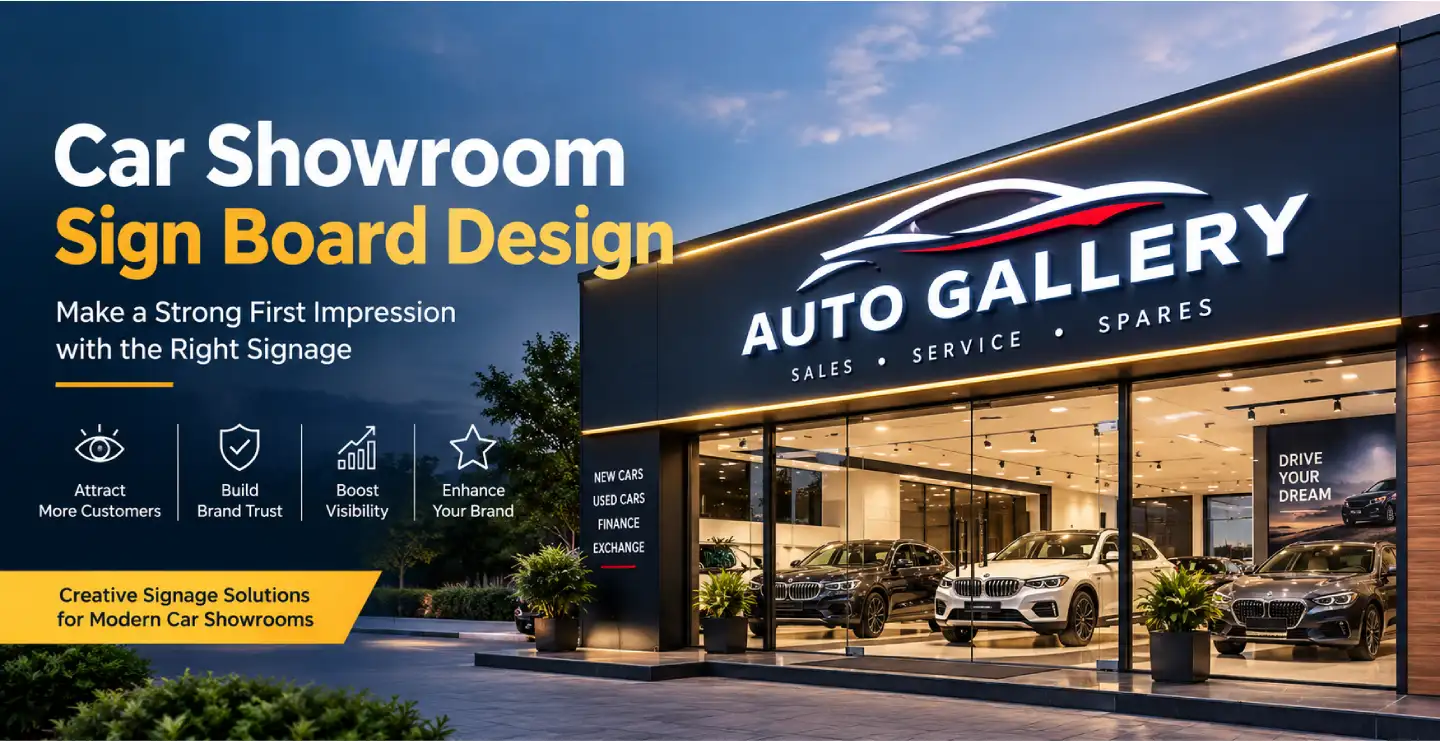
For restaurants, the sign has three jobs: to be seen from a distance, to communicate the type of food, and to create a mood that matches your brand.
Start With Your Restaurant Identity
Before choosing colours or fonts, decide who you are. A budget-friendly family restaurant needs a warm, friendly look. A premium Mughlai restaurant needs elegance. A street-style chaat corner should feel lively and playful. Write down three words that describe your restaurant, such as traditional, royal and rich, or fresh, quick and affordable. Use these words as a guide for every design choice.
Colour Choices That Work for Indian Food
Colour affects appetite. Warm shades such as red, orange, yellow and gold are widely used in food signage because they feel energetic and appetising. Deep maroon and gold suggest royal, traditional dining. Green suggests freshness and works well for pure vegetarian restaurants. Dark backgrounds with bright lettering create a premium look, especially when lit at night.
Avoid using too many colours. Two or three main colours with one accent keep the board clear and easy to remember.
Typography: Making the Name Easy to Read
Your restaurant name must be readable from a moving vehicle or from across the road. Choose bold, clean fonts for the main name. Decorative calligraphy or Indian-inspired fonts can add flavour, but only if letters remain clear. If the board uses both English and a regional language like Hindi, Bengali or Tamil, keep the sizes balanced so both can be read quickly.
Keep the tagline short. Phrases like "Authentic Punjabi Cuisine", "Pure Veg Family Restaurant" or "Hyderabadi Dum Biryani" instantly tell customers what you offer.
Types of Sign Boards for Restaurants


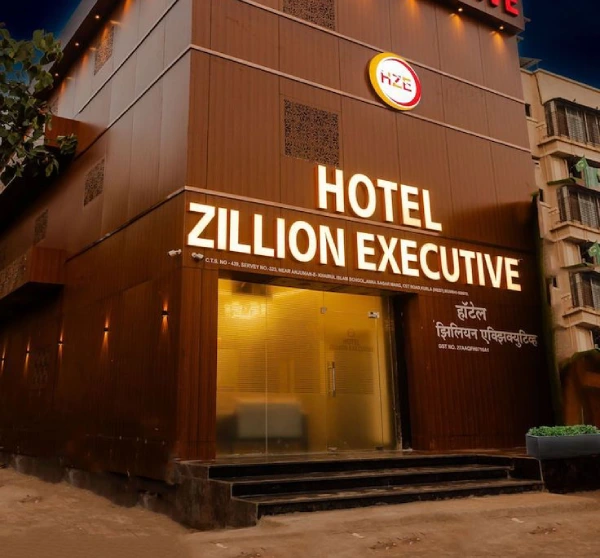
LED Backlit Boards
These glow from inside and are excellent for night business. They make letters stand out sharply and are popular for restaurants that get most customers in the evening.
3D Letter Signs
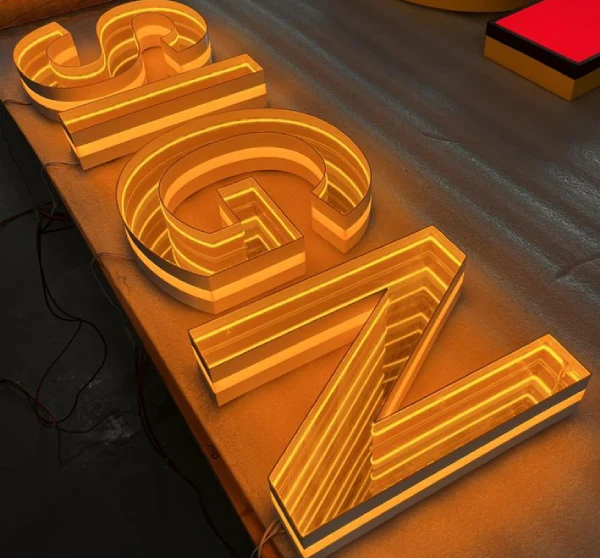
Raised letters made of acrylic, steel or aluminium give depth and a premium appearance. With LED lighting behind or inside them, they create a striking glow.
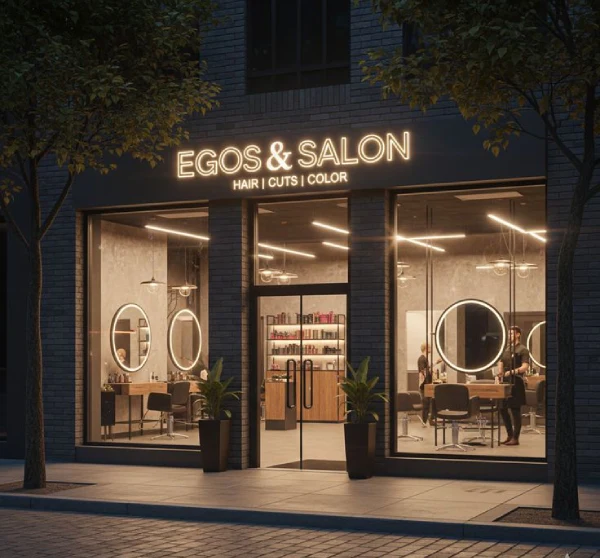
Neon-Style LED Signs
Flexible LED neon strips can form words, icons or even a chilli or tandoor motif. They are popular with cafes and modern Indian eateries targeting younger crowds.
Flex and Vinyl Boards
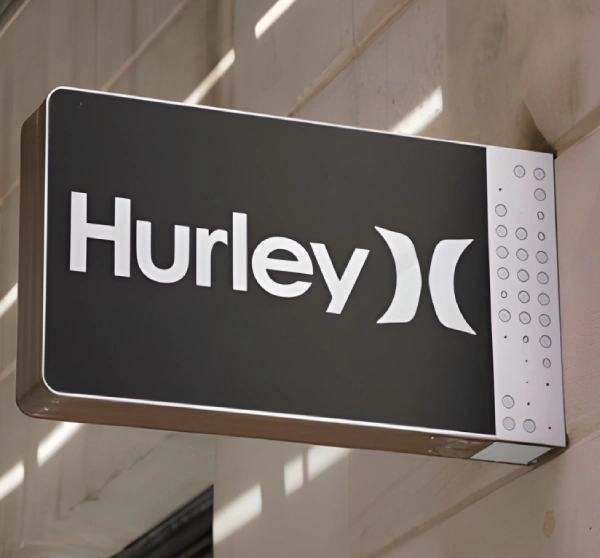
Economical and quick to produce, these suit small eateries and temporary promotions. They are less durable than acrylic or metal, so plan to replace them periodically.
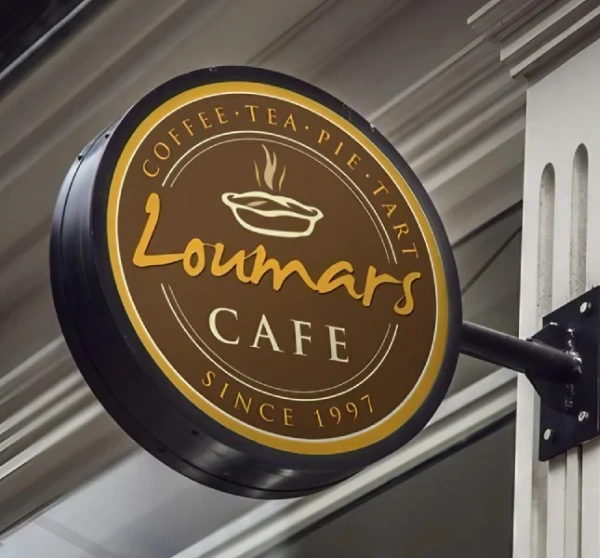
Wooden and Metal Signs
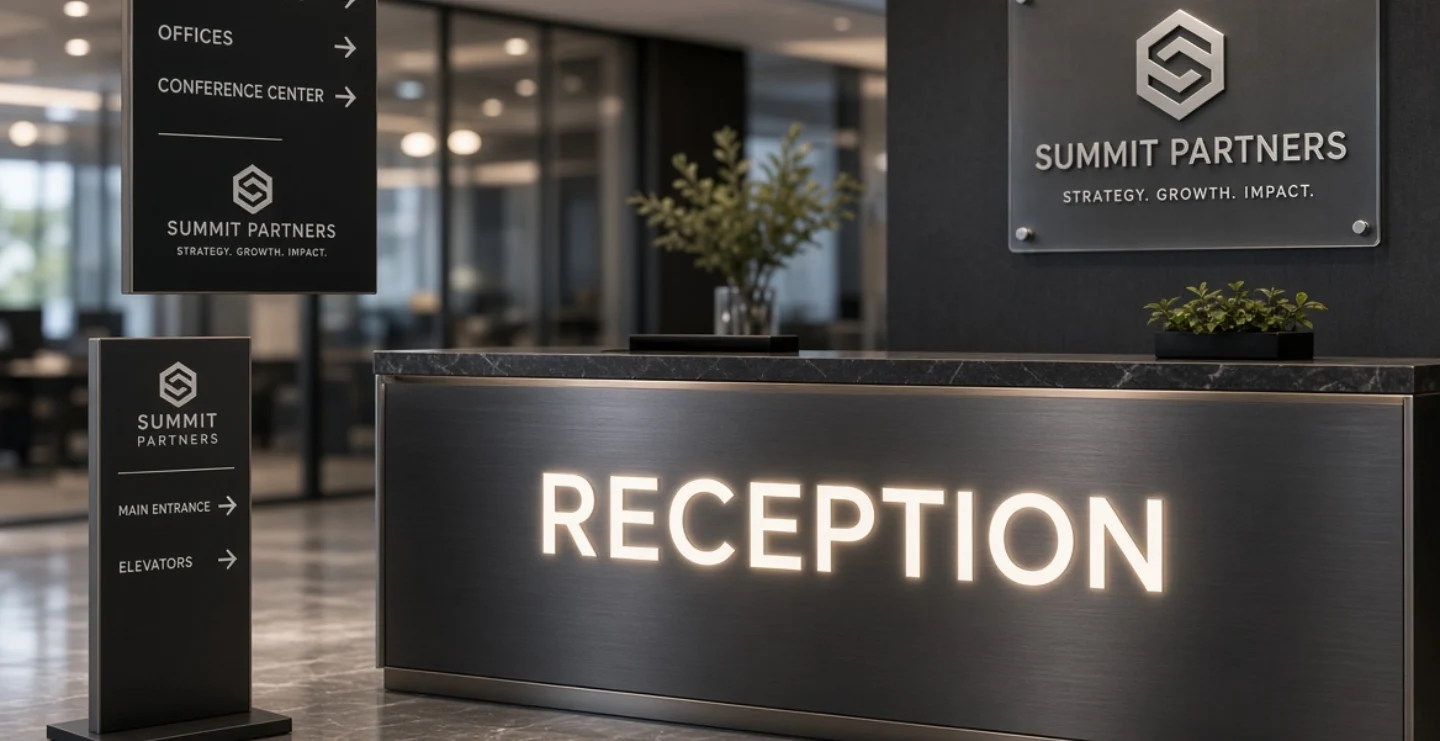
Wood adds a rustic charm for dhabas and village-style restaurants, while brass or stainless steel adds a classic touch to heritage or fine-dining places.
Design Elements That Add Character
Indian restaurants have a rich visual culture to draw from. A small arch, jharokha shape, mandala pattern, brass kadhai, tandoor or tiffin illustration can add personality without overcrowding the board. Keep these elements simple and secondary to the name. Photos of food can work on menu boards but are often too detailed for the main outdoor sign.
Include a logo that works in a small size. If your logo looks messy when reduced, simplify it. A clear symbol will also look good on menus, packaging, delivery bags and social media.
Lighting and Visibility
Many restaurant customers arrive after sunset, so lighting is essential. Choose LED lighting with good brightness and even spread. Avoid hot spots where one part of the sign is much brighter than the rest. Warm white lighting makes food businesses feel inviting, while cool white feels modern. If the board faces heavy traffic, make sure the glow does not cause glare for drivers.
Size and Placement
Place the main board above the entrance where it is easily visible from the road. If your restaurant is on an upper floor, add a vertical board or a projecting sign near the ground level so people know you exist. Check whether trees, electric lines or neighbouring boards block your view. The bigger the road and the faster the traffic, the larger the lettering should be.
Include Practical Information
Beyond the name, you may add details like timings, home delivery, parking, family section or pure veg. Keep this secondary and compact. Too much text turns the sign into a poster that no one reads. Use a separate board or glass sticker near the door for menus, offers and payment options.
Material and Durability
Restaurant signs face heat, rain, dust and cooking fumes. Choose weather-resistant materials such as acrylic, aluminium composite panels, stainless steel and quality LED modules. Check that the electrical work is safe, waterproof and done by trained technicians. A good installation protects customers and your business.
Common Mistakes to Avoid
- Using too many fonts and colours on one board.
- Writing every dish and price on the main sign.
- Choosing a thin font that disappears from a distance.
- Ignoring night visibility and lighting quality.
- Forgetting to check local rules and permissions for signage.
Frequently Asked Questions
Which sign board is best for a small Indian restaurant?
An LED backlit acrylic or ACP board with clear lettering is a strong all-round choice. It stays bright at night, handles weather well and looks professional without a very high cost.
Should I show my menu on the main sign?
No. Keep the main sign for your name, logo and cuisine type. Put the menu on a separate display board, glass panel or near the entrance where people can stop and read.
How often should a restaurant sign be updated?
Clean it regularly and replace faded or non-working parts quickly. A full redesign is usually needed only when you rebrand, change your cuisine or move to a new location.
Can I use photos of food on the board?
Yes, but sparingly. One well-shot, high-quality picture can attract attention, while many small photos make the sign look crowded and are hard to see from a distance.
Final Thoughts
A great Indian restaurant sign board design combines clarity, colour and character. It should help people find you, understand what you serve and feel hungry before they even see the menu. Invest in a board that reflects the quality of your food, and it will keep bringing customers back to your door.
Brand Signages can help you plan a restaurant sign board in the right size, material and lighting for your location and budget.