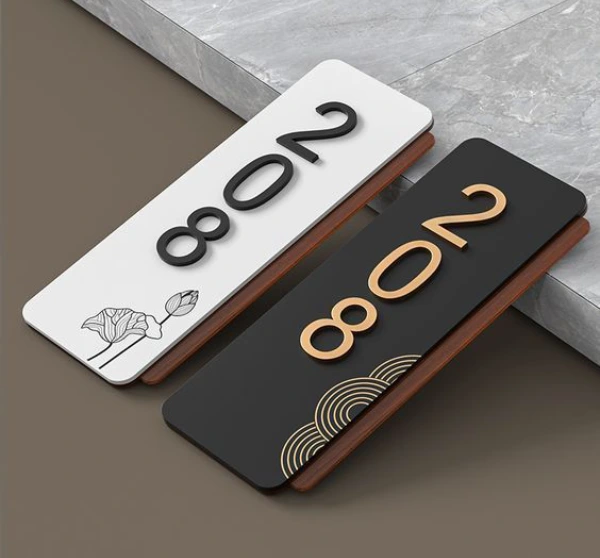
A house sign board is a small detail that makes a big difference. It helps guests, delivery staff, and visitors find your home easily, while also adding a touch of personality and style to your entrance. Whether you live in an independent house, a villa, or a gated community, choosing the right house sign board design can enhance your property's appeal and reflect your personal taste.
In this guide, we will look at what house sign boards are, why their design matters, the key elements of a good design, popular styles, and what to consider before finalising your own.
What Is a House Sign Board?
A house sign board is a nameplate or display panel installed at the entrance, gate, or exterior wall of a home to show the house name, number, or family name. These boards are made from a wide range of materials including wood, acrylic, stainless steel, stone, and aluminium composite panels, depending on the homeowner's style preference and budget.
Unlike commercial signage, house sign boards are often more decorative and personalised, reflecting the architecture and character of the home rather than following strict regulatory design rules.
Why House Sign Board Design Matters
- Helps guests, couriers, and emergency services locate your home quickly
- Adds character and curb appeal to the entrance of the house
- Reflects the homeowner's personal style and complements the architecture
- Increases property value perception with a well-finished, quality nameplate
- Withstands outdoor exposure when made from the right weatherproof materials
- Can double as a decorative feature alongside garden or entrance lighting
Key Elements of an Effective House Sign Board Design
1. Material Choice
Wood offers a warm, traditional look but requires periodic sealing to resist moisture and pests. Stainless steel and acrylic provide a modern, low-maintenance finish, while natural stone or stone-effect panels suit larger bungalows and farmhouses. The material should complement the home's existing exterior finishes, such as brick, plaster, or stone cladding.
2. House Name or Number Styling
Whether displaying a house name, number, or family surname, the font should be legible from the street while still matching the home's overall aesthetic. Serif and script fonts suit traditional homes, while clean sans-serif letters work well for contemporary designs.
3. Size and Placement
The sign should be proportionate to the entrance, neither too small to notice nor so large it overwhelms the gate or wall. Common placements include beside the main gate, mounted on a boundary wall pillar, or fixed near the front door for smaller homes with no boundary wall.
4. Lighting
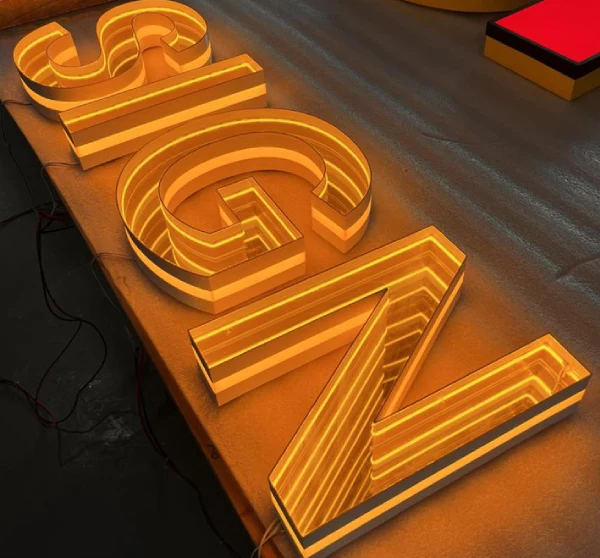
A backlit or spotlit house sign board is easier to find after dark and adds a welcoming glow to the entrance. Options include LED backlighting behind acrylic or metal cut-out letters, or a simple external spotlight aimed at a non-illuminated nameplate.
5. Weatherproofing
Since house signs are mounted outdoors year-round, the chosen material and finish must resist rain, humidity, and sun without fading, warping, or rusting. Sealed wood, powder-coated metal, and UV-stable acrylic are all good options depending on the desired look.
Popular House Sign Board Styles


- Engraved wooden nameplates - a classic, warm look often used for bungalows and farmhouses
- Stainless steel cut-out letters - modern, minimalist lettering mounted with stand-off spacers
- Acrylic backlit nameplates - illuminated boards that glow softly at night, popular for contemporary homes
- Stone or granite plaques - engraved or etched stone panels suited to larger properties and farmhouses
- Ceramic or ceramic-tile nameplates - hand-painted or printed tiles offering a colourful, artistic touch
Factors to Consider Before Finalising Your Design
- Architectural style - match the sign's material and font to the overall look of the house
- Local weather - coastal or high-rainfall areas need extra rust and moisture protection
- Society or community guidelines - some gated communities have rules on size, colour, or placement of house signs
- Visibility from the street - consider how far away the sign needs to be legible, especially at night
- Budget - decide between a simple nameplate and a more elaborate illuminated or engraved design based on cost
House Sign Board Price in India (2026)
Pricing depends on material, size, lettering style, and whether the sign is illuminated. Here is a general breakdown to help you plan your budget before requesting a detailed quote.
Raw Material Cost
Basic materials for house signage typically range from Rs. 50 to Rs. 300 per square foot. Sealed wood generally costs Rs. 80 to Rs. 200 per square foot depending on the type of timber, while stainless steel sheeting for cut-out letters ranges from Rs. 150 to Rs. 300 per square foot.
Fabricated Sign Board Cost
Once engraved, cut, or printed and finished, a basic wooden or acrylic house nameplate typically costs Rs. 500 to Rs. 1,200 depending on size, since most house signs are small and priced per piece rather than per square foot. Stainless steel letter signs with stand-off mounting generally range from Rs. 1,000 to Rs. 2,500 depending on the number of letters. Illuminated acrylic nameplates with LED backlighting usually cost Rs. 1,800 to Rs. 3,500 including wiring and a small power adapter.
| Sign Board Type | Approximate Price (Standard Size) |
|---|---|
| Engraved wooden nameplate | Rs. 500 - 1,200 |
| Stainless steel cut-out letters | Rs. 1,000 - 2,500 |
| Acrylic backlit nameplate | Rs. 1,800 - 3,500 |
| Stone or granite engraved plaque | Rs. 1,500 - 4,000 |
What Affects the Final Price
- Material choice such as wood, stainless steel, acrylic, or stone
- Number of letters or characters and complexity of the font
- Whether LED illumination is included
- Mounting method and hardware required for the wall or gate
- Additional finishes such as engraving, painting, or gold leafing
These figures are indicative and vary by city, material availability, and design complexity. Always get a detailed quote for your specific home and requirements.
Choosing the Right Sign Board Manufacturer
A skilled signage maker can help you choose a material and design that suits your home's style while standing up to local weather conditions. Look for a manufacturer with experience in residential nameplates who can show samples of previous work and offer guidance on font, size, and finish. Many signage companies handle everything from design consultation to fabrication and installation, making the process simple for homeowners.
Final Thoughts
A well-designed house sign board is a small investment that adds lasting charm and functionality to your home's entrance. By choosing the right material, size, and lighting for your property, and working with an experienced fabricator, you can create a nameplate that welcomes guests and reflects your home's character for years to come.
Frequently Asked Questions
What is the best material for a house sign board?
The best material depends on your home's style; wood suits traditional homes, stainless steel and acrylic suit modern homes, and stone plaques suit larger bungalows and farmhouses.
Should a house nameplate be illuminated?
Illumination is a good idea if your entrance is dimly lit or if you want the house to be easy to find at night, and options range from LED backlighting to a simple external spotlight.
How long does a house sign board last?
A quality house sign board made from weatherproof materials can last 8 to 10 years or more with occasional cleaning and resealing where needed, especially for wooden signs.
Can I customise the font and design of my house nameplate?
Yes, most signage manufacturers offer a wide range of fonts, sizes, and layout options so you can personalise the nameplate to match your home's architecture and your personal taste.