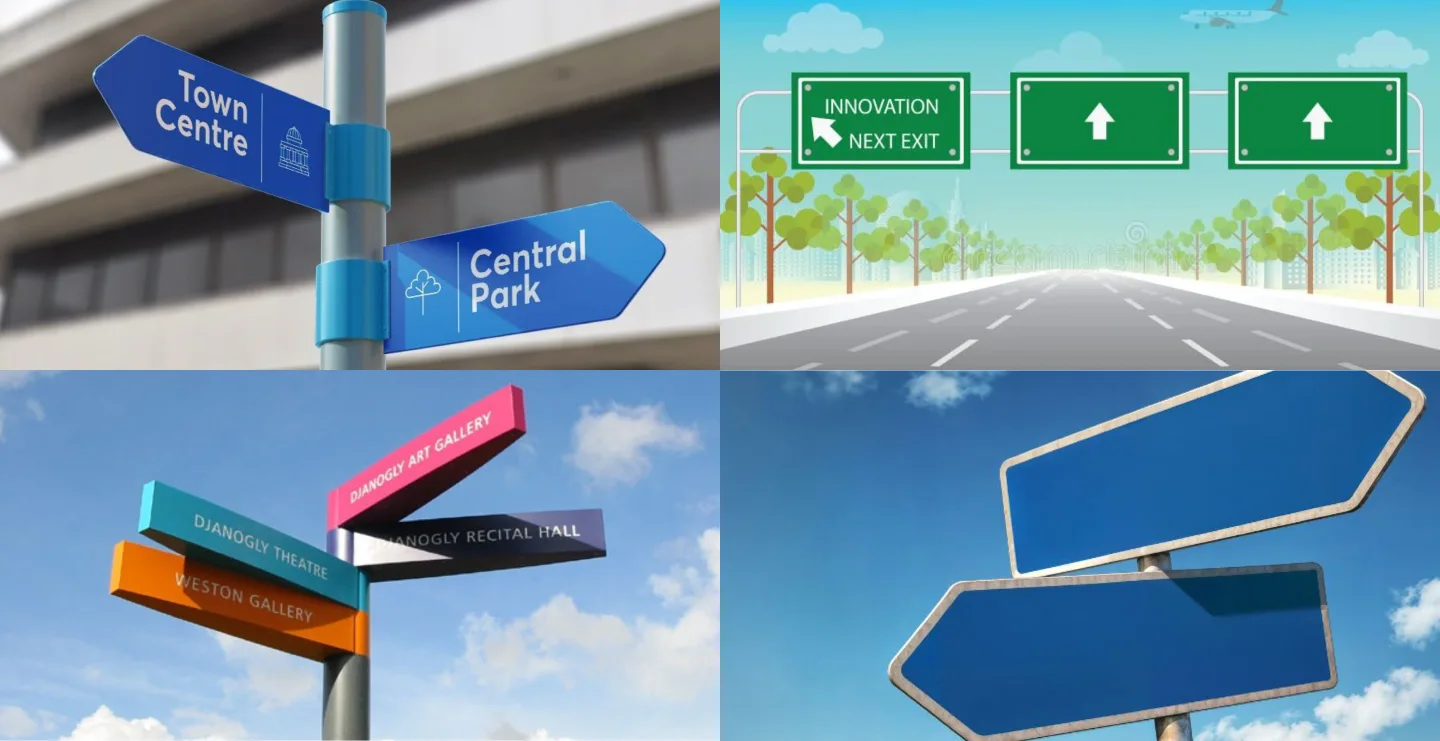
Direction sign boards help people move confidently through a space, whether that is a shopping mall, hospital, office campus, park, or city street. Good directional signage removes confusion, reduces the need to ask for help, and creates a smoother experience for visitors, staff, and customers alike. In 2026, direction sign boards are being crafted from metal, acrylic, and illuminated LED materials to remain clear and legible both indoors and outdoors, in any lighting condition.
This guide covers the best direction sign board design ideas, popular materials, placement guidelines, and a full cost breakdown for 2026.
Why Direction Sign Board Design Matters
Clear directional signage plays a major role in how people experience a space. Confusing or missing signs can lead to frustration, wasted time, and even safety concerns in emergency situations, while well-designed direction signs help visitors navigate confidently and efficiently. For businesses and public spaces, this translates into a more positive overall impression, since a smooth, easy-to-navigate environment reflects well on the organization managing it.
Best Direction Sign Board Design Ideas


1. Arrow-Based Directional Signs
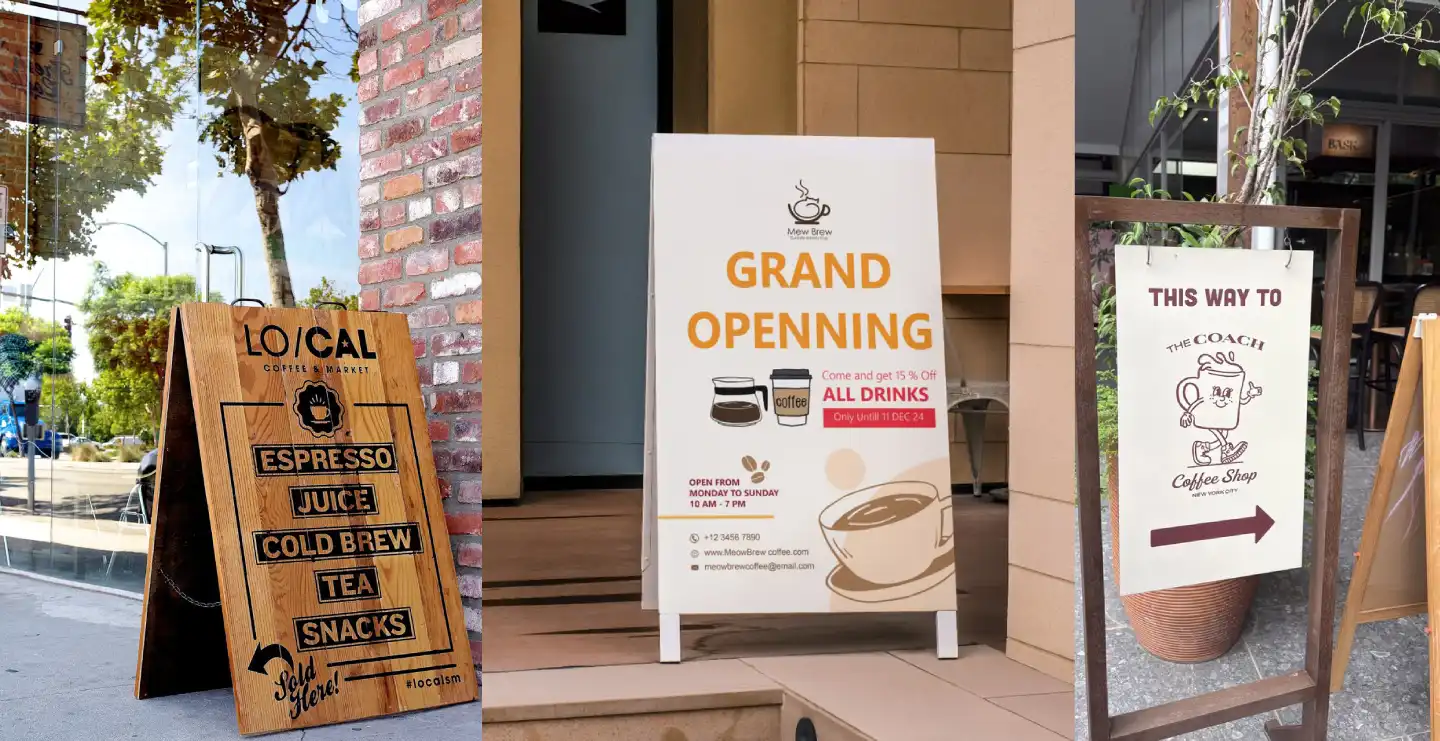
Simple signs combining an arrow with a short text label, such as "Parking" or "Reception," communicate direction instantly without requiring extra reading time.
2. Illuminated LED Direction Signs
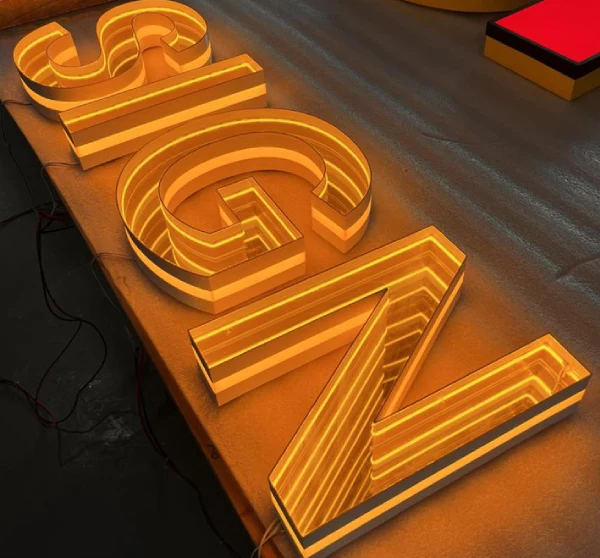
LED-lit directional signs remain visible during evening hours, making them ideal for parking structures, hospital campuses, and outdoor walkways.
3. Metal Post-Mounted Signs
Durable metal signs mounted on posts are commonly used outdoors for parking lots, campuses, and large properties requiring long-term wayfinding.
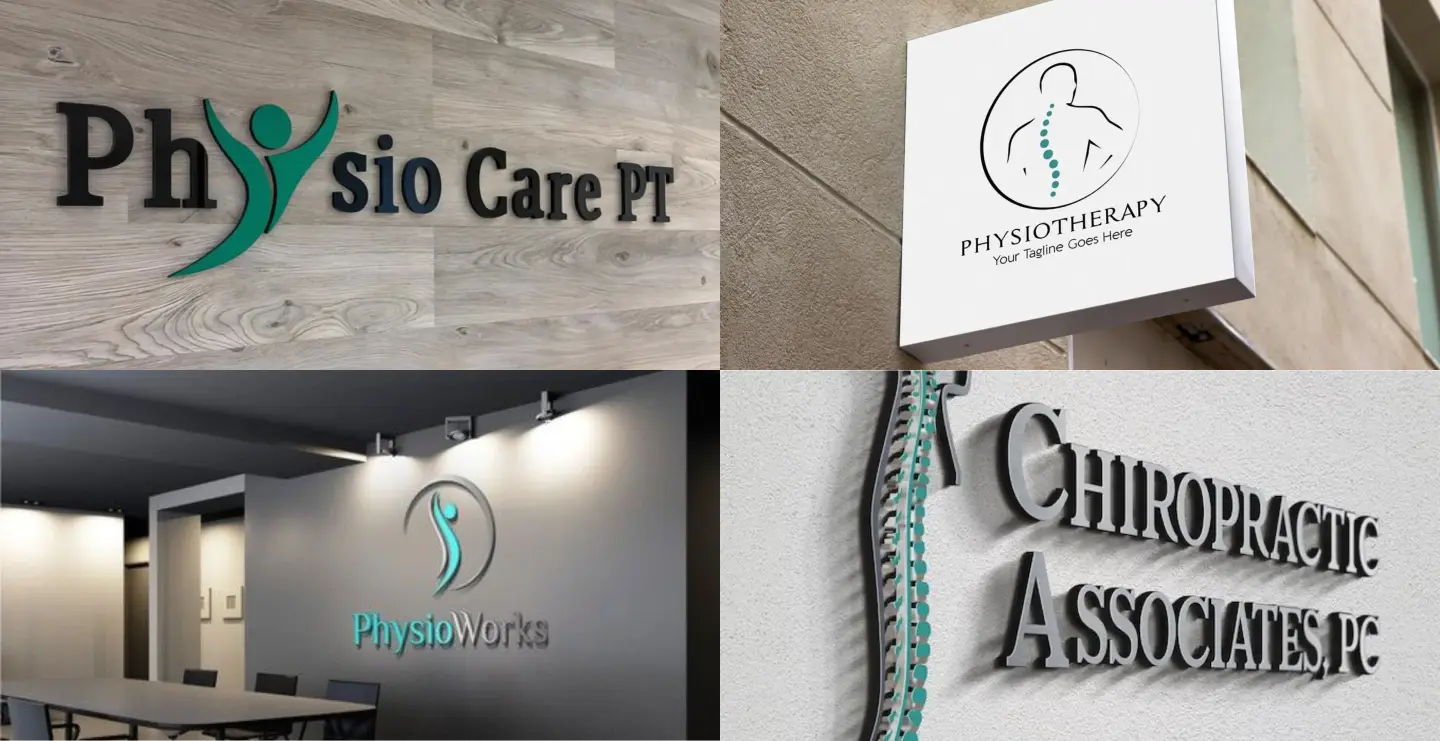
4. Acrylic Wall-Mounted Signs
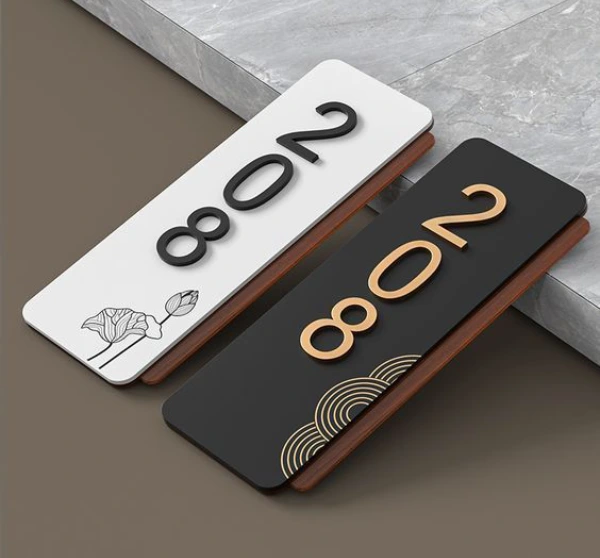
Clean acrylic directional signs mounted on interior walls provide a modern, professional look for offices, malls, and hospitals.
5. Digital Directory and Wayfinding Screens
Interactive digital displays allow visitors to search for a specific location, department, or store, then follow on-screen directions to their destination.
6. Hanging Overhead Direction Signs
Signs suspended from ceilings or overhead structures are especially useful in large indoor spaces like airports, malls, and convention centers.
7. Color-Coded Wayfinding Systems
Using consistent colors for different zones, such as blue for parking or green for exits, helps visitors quickly recognize and follow a directional system.
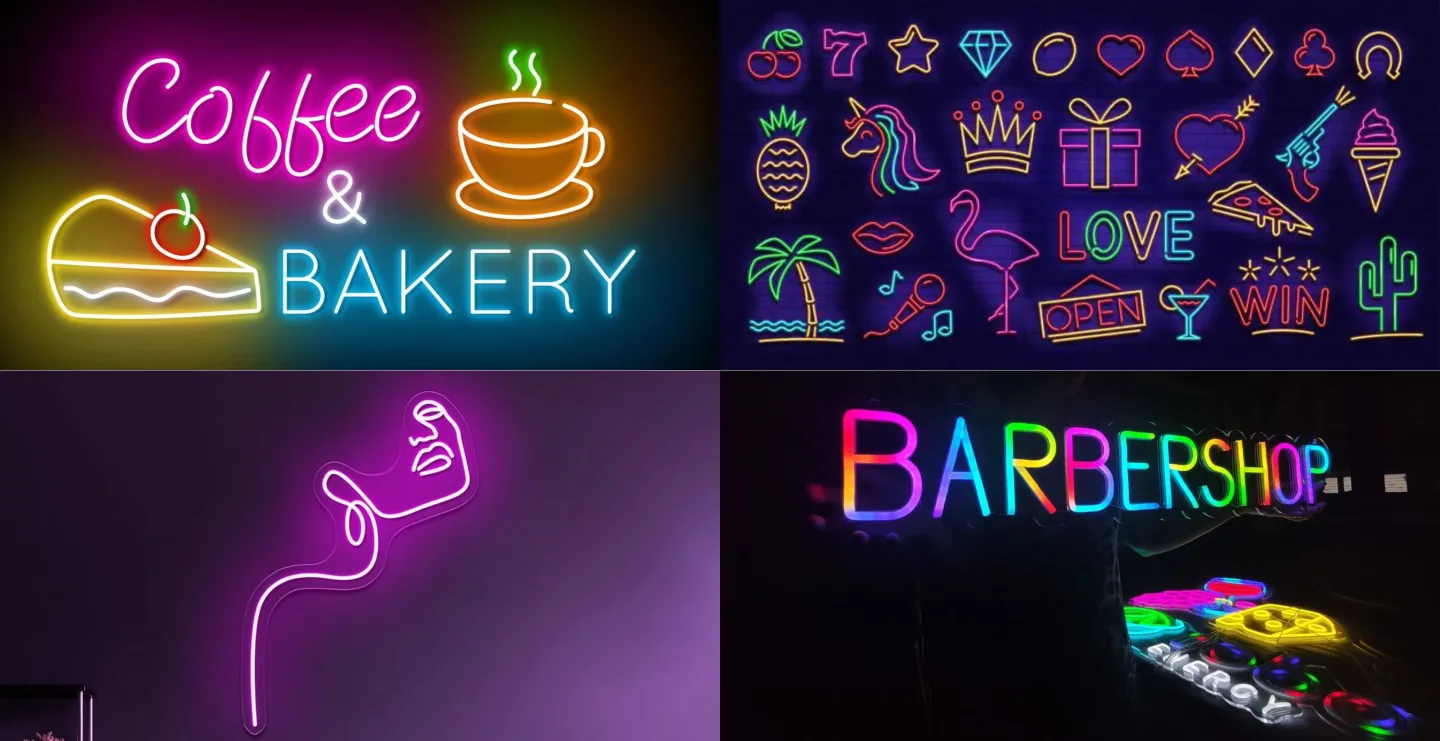
8. Neon Accent Direction Signs
Some businesses use a small neon arrow or directional accent indoors, adding a modern, stylish touch while still guiding foot traffic effectively.
Choosing the Right Direction Sign Board Material
Metal
Metal is the top choice for outdoor post-mounted and long-term wayfinding signage due to its strength and resistance to weather.
Acrylic
Acrylic offers a clean, modern finish suited for indoor wall-mounted and hanging directional signage.
LED Lighting
LED illumination ensures direction signs remain visible in low-light areas, particularly important for parking structures and evening foot traffic.
Neon Accents
Neon is typically used indoors for a stylish directional accent, particularly in retail, hospitality, or entertainment settings.
Placement Guidelines for Direction Signage
Decision point placement: Direction signs should be placed exactly where a visitor needs to make a choice, such as at intersections, hallway junctions, or building entrances.
Consistent height and format: Using a uniform height, font, and color scheme throughout a facility helps visitors quickly recognize and trust the directional system.
Line of sight: Signs should be positioned where they are visible from a distance, giving visitors enough time to read and react before reaching the junction.
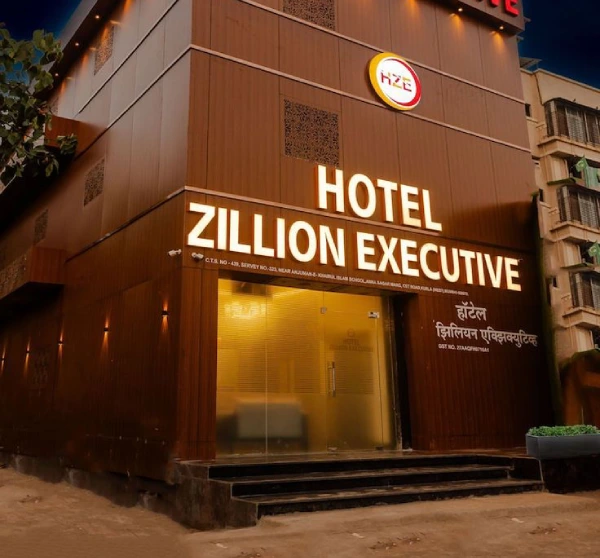
Outdoor visibility: Outdoor direction signs should use durable, weather-resistant materials and, where needed, illumination for nighttime visibility.
Direction Sign Board Cost in 2026
Basic Indoor Directional Signs
Simple acrylic or plastic wall-mounted direction signs typically cost between 15 and 60 dollars, depending on size and material.
Metal Post-Mounted Signs
Durable outdoor metal directional signs generally range from 40 to 150 dollars per sign, depending on size and post height.
Illuminated LED Direction Signs
LED-lit directional signage typically costs between 200 and 800 dollars, depending on size and design complexity.
Digital Directory Screens
Interactive wayfinding kiosks typically start around 1,500 dollars and can exceed 5,000 dollars for larger, more advanced systems.
Hanging Overhead Signs
Suspended directional signage typically ranges from 100 to 400 dollars per sign, depending on size and mounting hardware.
Additional Cost Factors
Installation: Post-mounted and overhead signs often require professional installation, particularly for larger facilities.
Bulk ordering: Facilities ordering multiple directional signs at once can often reduce the per-unit cost.
Digital system integration: Interactive directory screens may involve additional software costs for maintaining accurate location data.
Frequently Asked Questions
1. What is the most effective type of direction sign?
Arrow-based signs combined with short, clear text labels are generally the most effective, since they communicate direction instantly without requiring extensive reading.
2. Should direction signs be illuminated?
Yes, particularly in low-light areas like parking structures or outdoor walkways, illuminated LED direction signs help maintain visibility and safety.
3. How much does a basic direction sign cost?
Basic indoor acrylic or plastic direction signs typically range from 15 to 60 dollars, while illuminated or digital versions cost more.
4. What material is best for outdoor directional signage?
Metal is the preferred material for outdoor direction signs due to its durability and resistance to weather and long-term wear.
5. Are digital wayfinding screens worth the investment?
Yes, especially for large facilities like malls or hospitals, interactive digital directories help visitors search and navigate more efficiently.
6. Can neon be used for directional signage?
Yes, small neon arrows or accents are sometimes used indoors to add a stylish, modern touch while still guiding foot traffic effectively.
7. How should direction signs be positioned for best results?
They should be placed exactly at decision points, such as intersections or entrances, where visitors need to choose a direction to continue.
8. How long do metal direction signs typically last?
Quality metal directional signs generally last ten to fifteen years or more with proper maintenance and weather-resistant coatings.
Final Thoughts
Direction sign board design plays a quiet but essential role in creating a smooth, confident experience for visitors navigating any space. From simple arrow-based signs and durable metal post-mounted designs to illuminated LED wayfinding and interactive digital directories, thoughtful directional signage helps people find their way easily, both indoors and outdoors, throughout 2026.