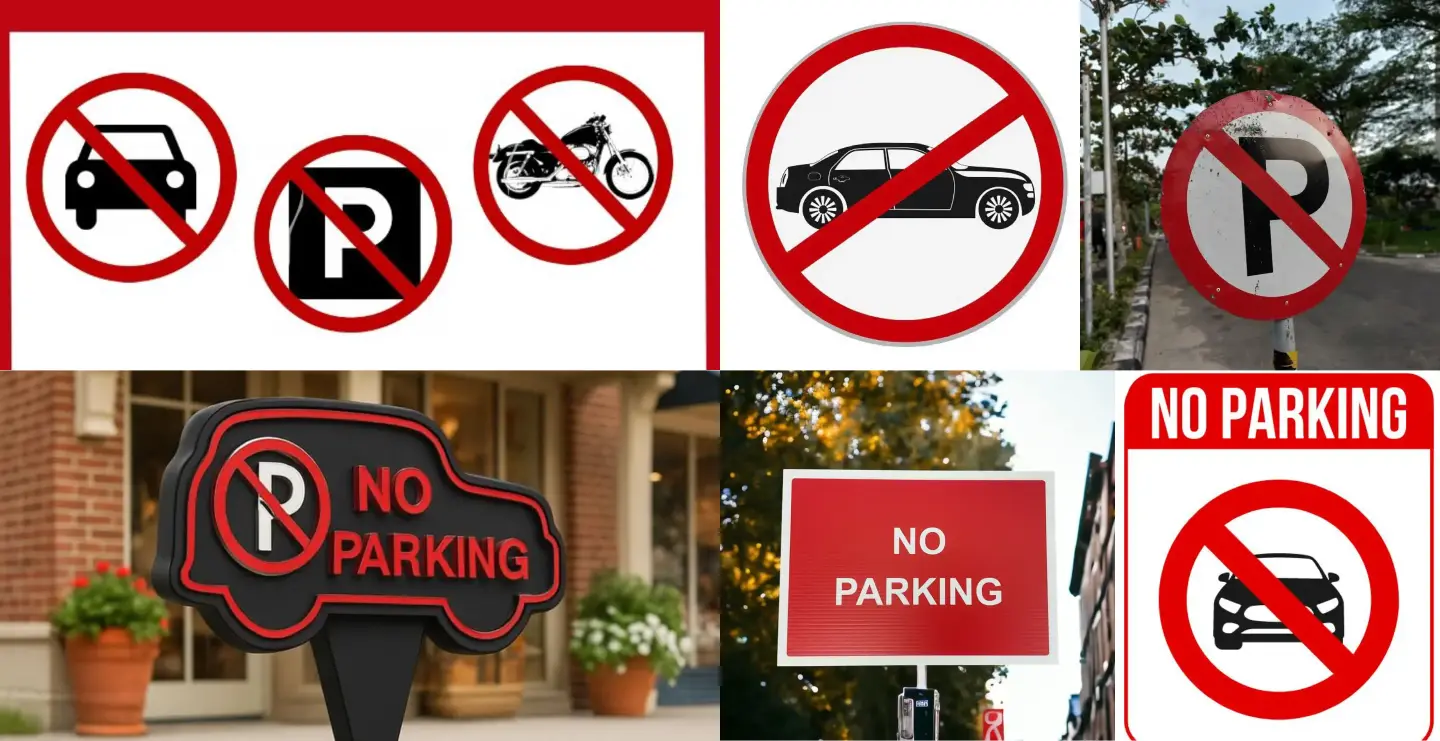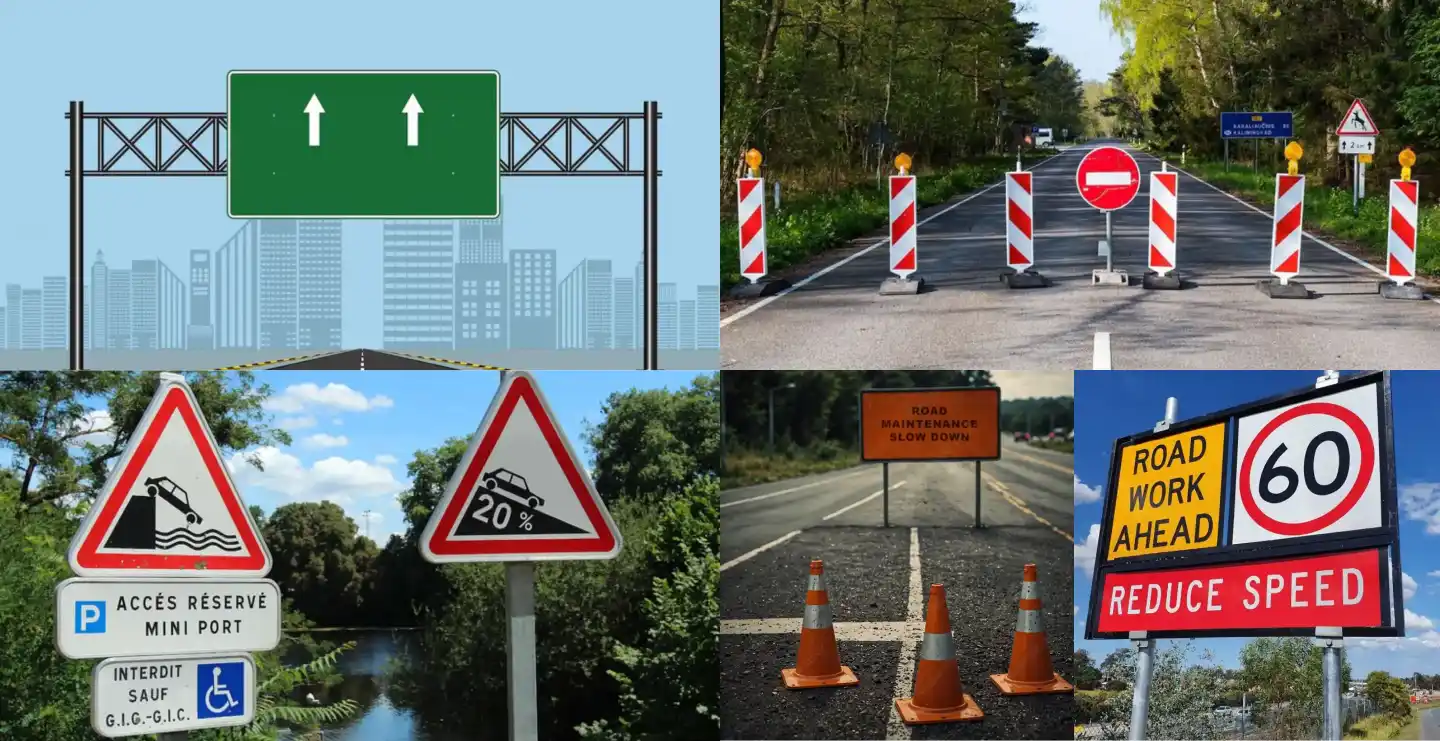
Construction sites are high-risk environments where clear signage plays a direct role in worker safety and public protection. A well-designed construction sign board warns of hazards, guides site access, and displays mandatory project information, all of which are essential for compliance and accident prevention. If you are managing a construction project, understanding construction sign board design will help you meet safety standards while keeping the site organised and legible.
This guide covers what construction sign boards are, why their design matters, key design elements, popular types, and factors to consider before installation.
What Is a Construction Sign Board?
A construction sign board is a durable outdoor sign installed at or around a building site to communicate safety warnings, site rules, project details, or directional information to workers, visitors, and the public. These boards are typically made from weather-resistant materials such as galvanised steel, aluminium composite panels, or reflective PVC sheeting, since they must survive dust, rain, and constant handling on an active site.
Construction signage often follows specific regulatory formats, particularly for hazard warnings and mandatory project information boards required by local building authorities.
Why Construction Sign Board Design Matters
- Reduces accidents by clearly warning of hazards such as excavation, moving machinery, or restricted zones
- Ensures compliance with local labour and construction safety regulations
- Communicates project details required by law, such as approval numbers and contractor information
- Helps direct site traffic, deliveries, and visitor access safely
- Improves coordination among workers from different contractors or teams on a shared site
- Protects the public from unauthorised entry into active construction zones
Key Elements of an Effective Construction Sign Board Design
1. Standard Safety Colours
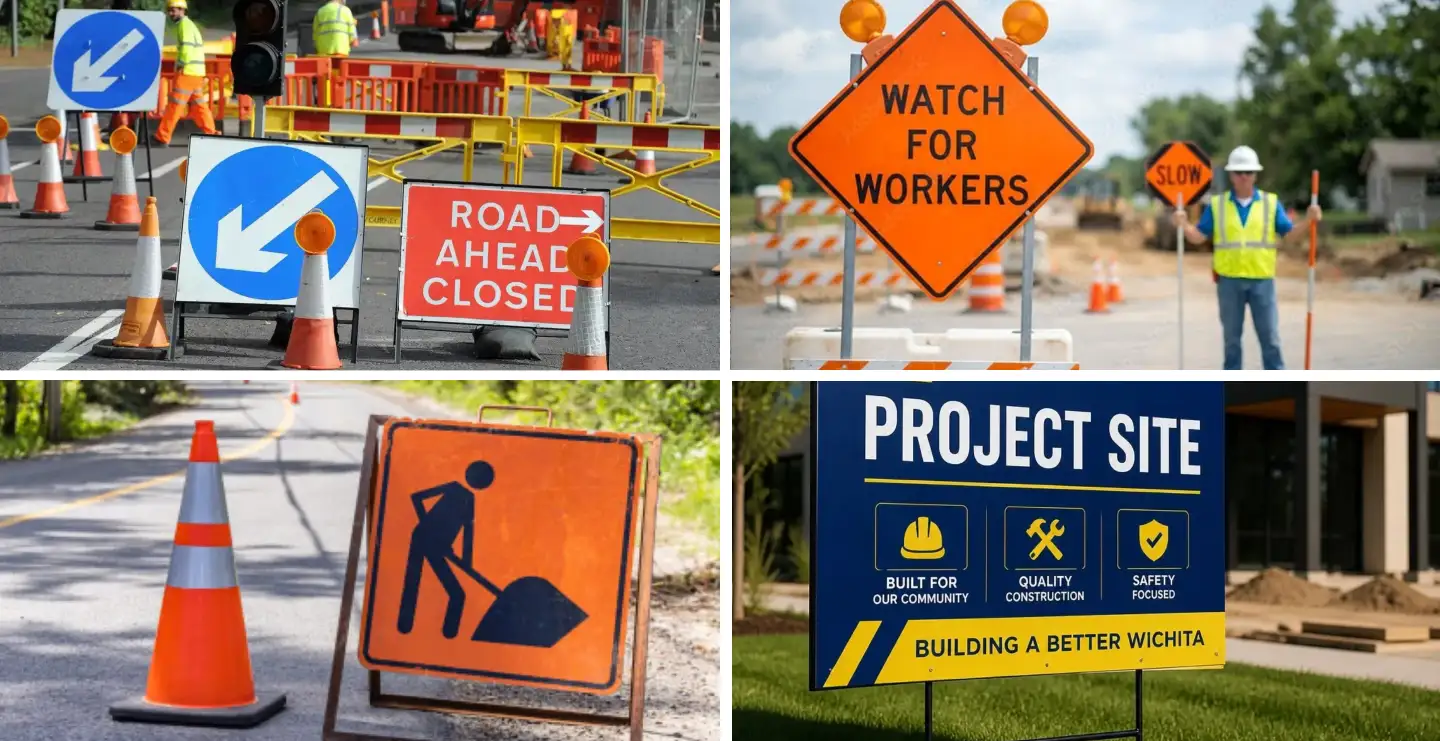
Construction signage follows established colour conventions: red typically indicates prohibition or danger, yellow or orange signals caution, blue indicates mandatory actions such as wearing protective gear, and green marks safe routes or emergency information. Following these conventions ensures workers and visitors instantly understand a sign's purpose without needing to read detailed text.
2. Bold, High-Contrast Symbols
Because construction sites are often dusty, noisy, and busy, signs need to communicate quickly through bold pictograms and symbols rather than lengthy text. Standardised hazard symbols, such as a falling person icon for edge protection warnings, are recognised faster than written instructions, especially by workers who may not all share the same first language.
3. Durability and Weatherproofing
Construction signs are exposed to constant dust, rain, and physical handling, so materials need to be rugged. Galvanised steel and reflective PVC with UV-stable printing hold up well over long project durations, while lightweight aluminium composite panels suit signs that need to be relocated frequently as work progresses.
4. Mandatory Project Information
Many jurisdictions require a project information board displaying details such as the builder's name, approval or permit numbers, project completion date, and emergency contact information. This board should be positioned prominently at the main site entrance and kept legible throughout the project.
5. Reflectivity for Low-Light Conditions
Since construction work often continues into early morning or evening hours, key hazard and directional signs should include reflective sheeting so they remain visible under vehicle headlights or site floodlighting, particularly near active vehicle movement zones.
Popular Construction Sign Board Types
- Hazard warning signs - alert workers to specific dangers such as excavation, overhead work, or electrical risks
- Mandatory PPE signs - instruct workers to wear helmets, safety boots, high-visibility vests, or other protective gear
- Site information boards - display project name, contractor details, approval numbers, and completion timelines
- Directional and access signs - guide vehicles and pedestrians to entry points, parking, or restricted areas
- Emergency and first aid signs - mark assembly points, first aid stations, and emergency exit routes
Factors to Consider Before Finalising Your Design


- Local safety regulations - check municipal and labour department requirements for mandatory sign content and placement
- Site duration and mobility - choose lightweight, relocatable materials for signs that will move as work progresses
- Multilingual workforce - use clear symbols and, where needed, multiple languages to ensure signs are understood by all workers
- Visibility distance - size text and symbols so they are readable from the relevant safe viewing distance on site
- Replacement and maintenance - plan for signs to be cleaned or replaced as they become damaged or faded over a long project
Construction Sign Board Price in India (2026)
Pricing depends on material, size, reflectivity, and the number of signs required for the site. Here is a general breakdown to help you budget before requesting a detailed quote.
Raw Material Cost
Base materials for construction signage typically cost between Rs. 40 and Rs. 180 per square foot. Reflective PVC or flex sheeting generally ranges from Rs. 40 to Rs. 90 per square foot, while galvanised steel sheeting for more permanent signs can cost Rs. 100 to Rs. 180 per square foot.
Fabricated Sign Board Cost
Basic printed safety and hazard signs typically cost Rs. 250 to Rs. 450 per square foot once fabricated and mounted on a frame or stand. Reflective hazard and directional signs generally range from Rs. 450 to Rs. 700 per square foot. Larger project information boards with detailed printing and a sturdy frame can cost Rs. 600 to Rs. 1,000 per square foot depending on size and finish.
| Sign Board Type | Approximate Price per Sq. Ft. |
|---|---|
| Basic printed safety sign, fabricated | Rs. 250 - 450 |
| Reflective hazard/directional sign, fabricated | Rs. 450 - 700 |
| Project information board, fabricated | Rs. 600 - 1,000 |
What Affects the Final Price
- Material choice, including PVC, ACP, or galvanised steel
- Whether reflective sheeting is included for low-light visibility
- Total sign size and quantity required across the site
- Stand or frame construction for freestanding signs
- Multilingual or multi-symbol content increasing design complexity
These figures are indicative and vary by city, project scale, and supplier. Always request a detailed quote based on your site's exact signage requirements.
Choosing the Right Sign Board Manufacturer
Construction signage needs to meet both safety standards and practical durability for a busy work site. Choose a manufacturer familiar with local safety regulations and standard hazard symbols, who can supply rugged materials suited to your project's duration and conditions. Reputable signage companies can handle bulk orders for multi-sign sites, ensuring consistent quality and compliance across the entire project.
Final Thoughts
Construction sign boards are not just a regulatory requirement; they are a frontline tool for protecting workers and the public throughout a project's lifecycle. By following standard safety colours, using durable materials, and ensuring signs remain visible in all conditions, and by working with an experienced manufacturer, you can keep your site both compliant and safer for everyone involved.
Frequently Asked Questions
Are construction sign boards legally required?
Yes, most jurisdictions require certain signs, such as project information boards and hazard warnings, as part of construction safety compliance and building permit conditions.
What colours are used for construction hazard signs?
Construction signage generally follows standard safety colour codes: red for danger or prohibition, yellow or orange for caution, blue for mandatory actions, and green for safe routes or emergency information.
How durable do construction signs need to be?
Construction signs need to withstand dust, rain, physical handling, and often relocation, so materials like galvanised steel, ACP, or reflective PVC with UV-stable printing are commonly used for durability.
Should construction signs be reflective?
Yes, particularly for hazard and directional signs near vehicle movement areas, since reflective sheeting keeps these signs visible during early morning, evening, or low-light working conditions.