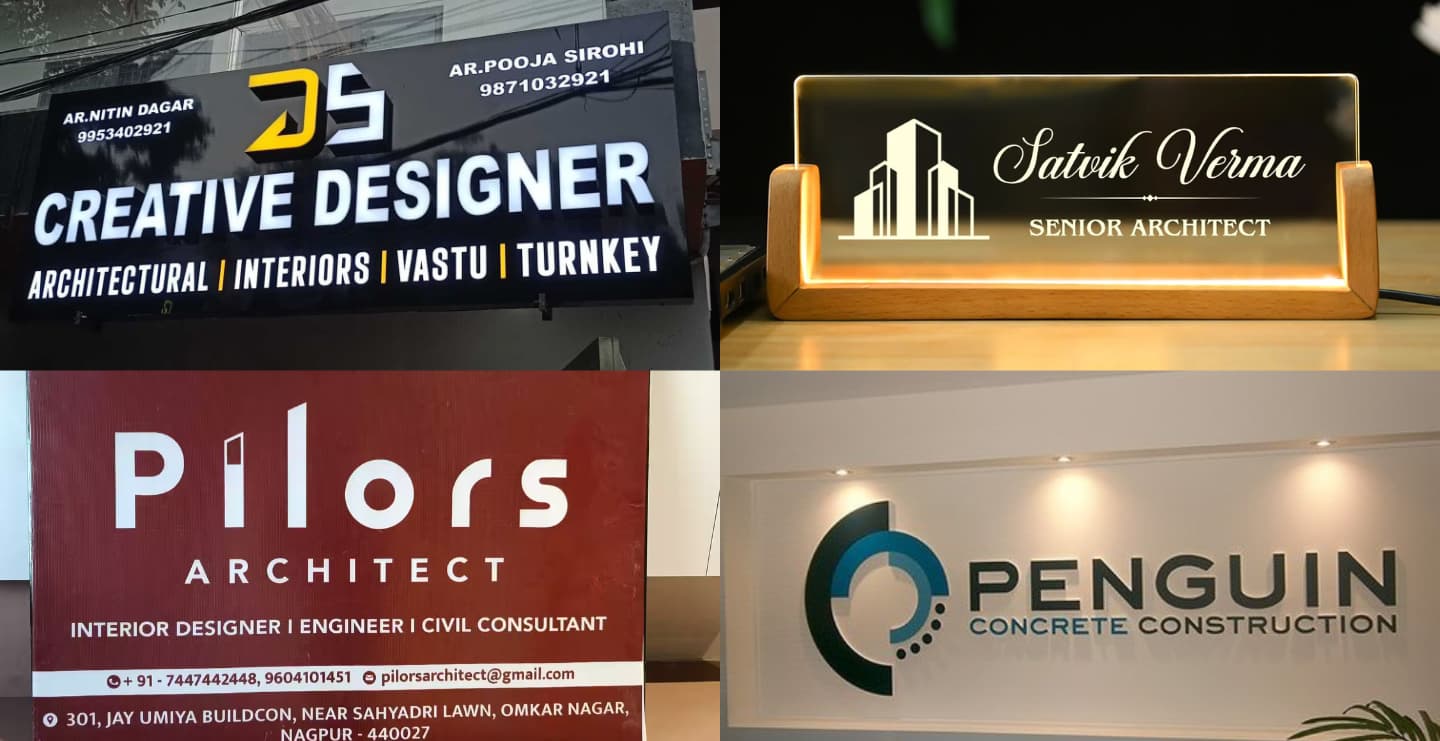
Architecture is a field where every detail matters, from structure and lighting to proportions, materials, and visual storytelling. Naturally, the identity of an architect’s workspace should reflect the same design sensibility. An architect office name board does more than display a name- it communicates style, credibility, and the philosophy behind the practice.
Unlike generic business signage, an architect’s name board balances minimalism, aesthetics, and precision. Whether it's at the entrance of a studio, a project site, or a corporate architectural firm, the office name board design becomes a subtle but powerful branding element.
Why an Architect Needs a Well-Designed Name Board
In architecture, first impressions begin at the door.
A thoughtfully designed name board helps:
- Convey the firm’s design language
- Build trust with clients, partners, and vendors
- Create a professional and defined identity
- Enhance the visual appeal of the office or site
- Maintain consistency with the brand aesthetic
It is often the first touchpoint before a presentation, project discussion, or proposal, meaning it sets the tone for how the firm’s work will be perceived.
Architect Office Name Board Designs for 2026


Best Materials for Architect Name Boards
Architects often prefer clean, modern materials that align with design principles. Popular choices include:
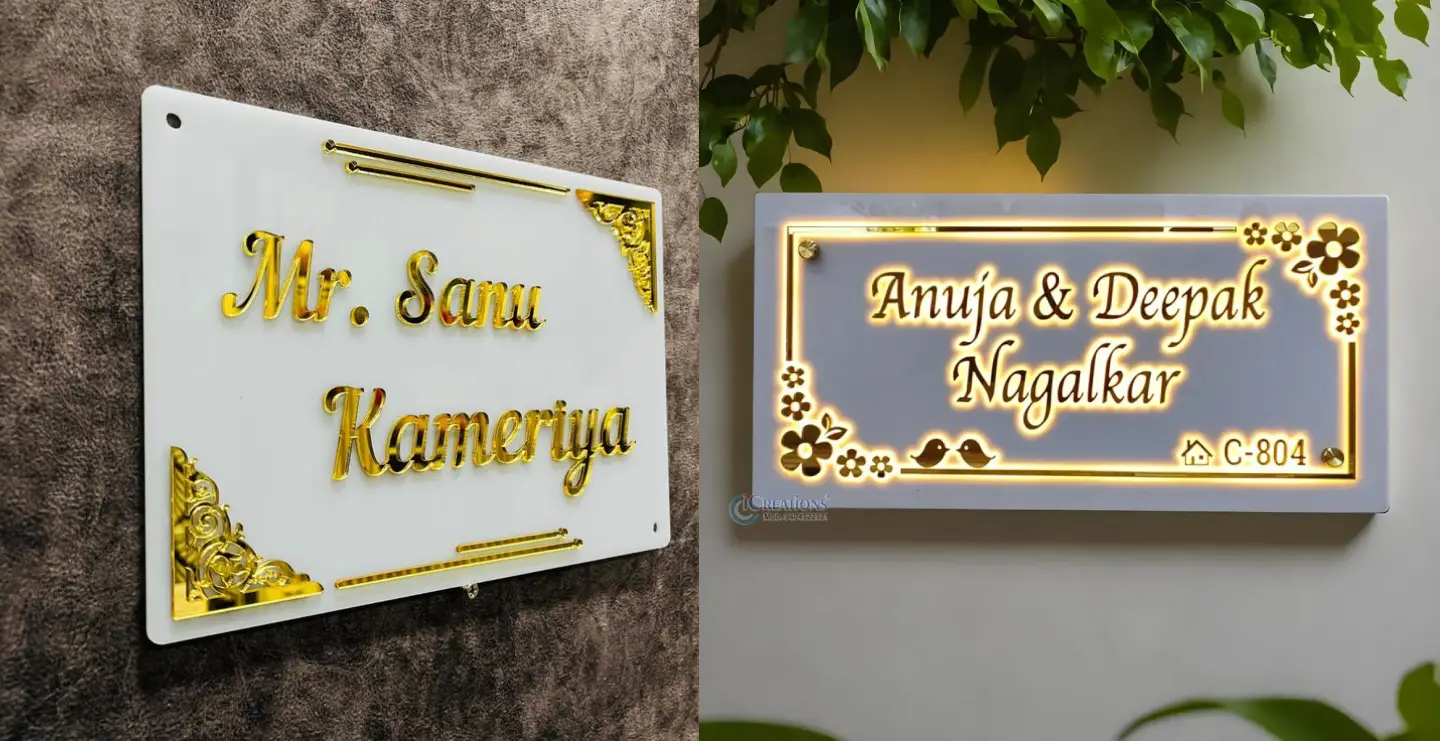
- Acrylic – Sleek, lightweight, and modern
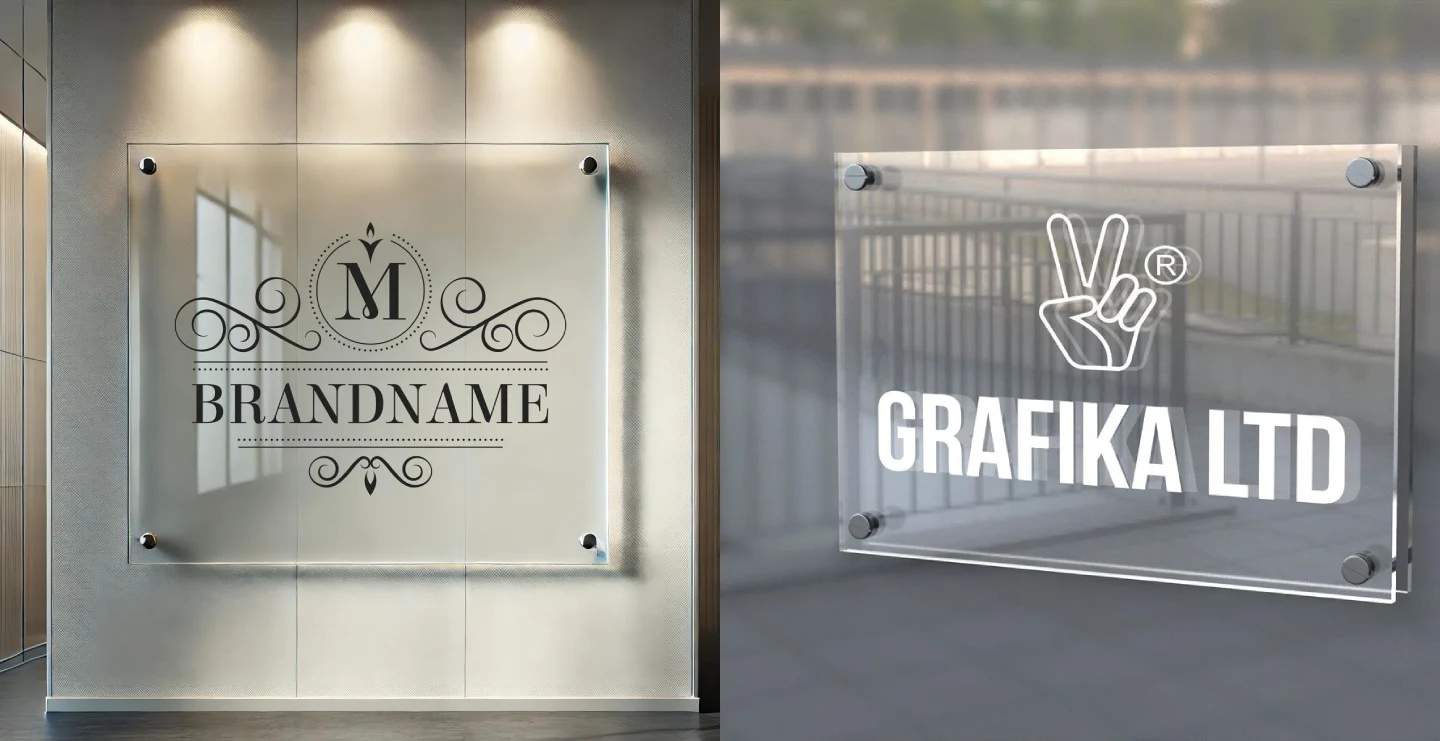
- Glass – Transparent sophistication with premium finish
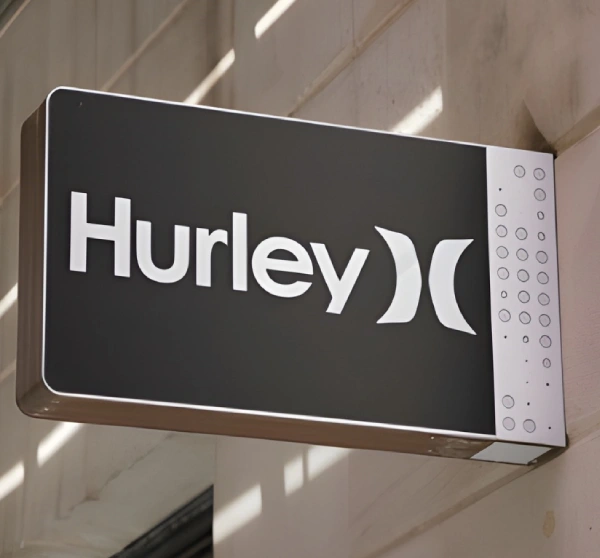
- Stainless Steel / Metal – Minimal, durable, and architectural
- Concrete Finish Boards – Industrial aesthetic for contemporary firms
- Wood / Veneer – Warm, natural, and eco-inspired look
- ACP (Aluminum Composite Panel) – Perfect for studios and outdoor site boards
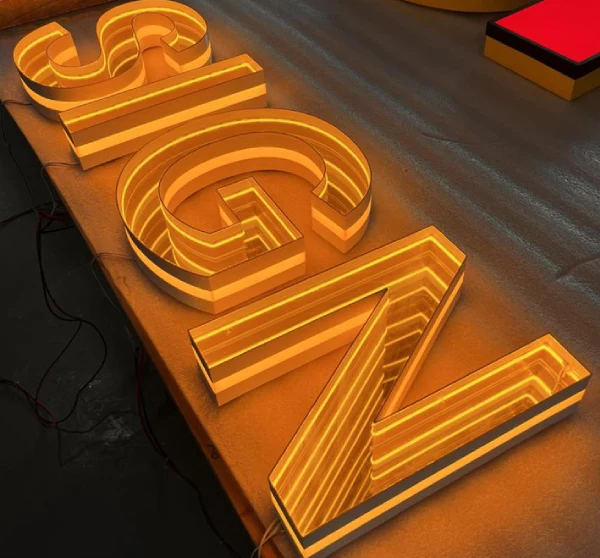
- LED Backlit Boards – Adds visibility and refined depth
Architects also commonly mix materials such as steel with wood, acrylic with LED, or glass with matte finish to reflect a layered design.
Design Principles for an Architect's Office Name Board
Since architects value intentional design, their signage should follow structured visual rules.
✔ Typography
Architects typically use clean, modern, geometric fonts such as:
- Montserrat
- Futura
- Gotham
- Helvetica Neue
- Avenir
- Roboto
Avoid cursive or overly decorative fonts.
✔ Layout
The layout should follow hierarchy:
- Architect’s Name (primary)
- Title or Qualification (e.g., B.Arch, M.Arch, Architect council number)
- Firm Name or Studio Name (optional)
- Specialization (optional: Interior Architecture | Landscape | Urban Design)
White space is crucial- the design should feel intentional, not crowded.
✔ Color Palette
Architectural name boards usually follow subtle, timeless palettes. Popular combinations include:
- Black & White
- Matte Black & Gold
- Grey & Silver
- Wood Texture & White
- Frosted Glass with Black Lettering
- Charcoal with LED Warm White Glow
These colors communicate elegance, discipline, and design clarity.
Types of Architect Office Name Boards
1. Office Entry Sign Board
Placed outside the studio, minimalist yet premium, guiding clients to the design space.
2. Interior Reception Board
A statement piece that aligns with office interiors sign, furniture, and style philosophy.
3. Site Project Name Boards
Installed at construction sites to communicate architect name, project title, firm identity, and contact information.
4. Directional and Room Signage
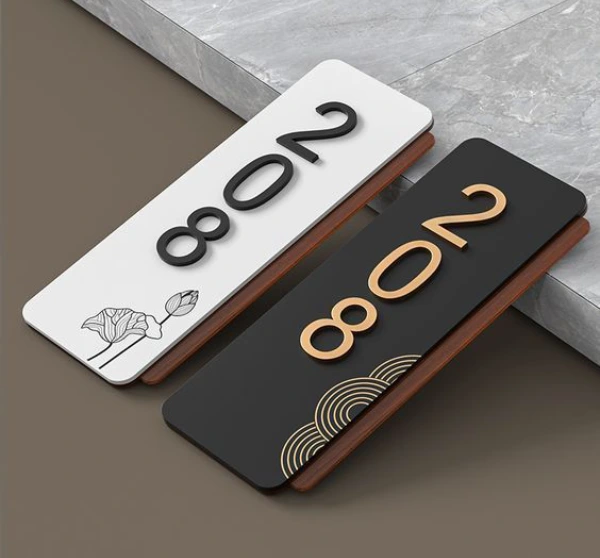
Used inside the workspace- meeting rooms, drafting rooms, name plates for table, and design studios.
What to Include in an Architect Name Board
Content clarity is important. The board may include:
- Architect’s full name
- Prefix: Ar. (widely used in India + other countries)
- Educational qualifications (optional)
- License or registration number (COA, RIBA, AIA, etc.)
- Firm or studio name
- Taglines like:
- Architect | Interior Designer
- Architecture | Landscape | Planning
For site boards, additional details like builder, consultant, contractor, and project timeline may appear.
Benefits of a High-Quality Architect Name Board
A premium architect office name board offers meaningful advantages:
- Builds a strong first impression
- Reflects creativity and aesthetic direction
- Increases brand recall
- Supports client confidence and credibility
- Enhances office identity and atmosphere
- Useful for navigation and professionalism at project sites
It isn’t just a sign- it’s part of branding.
Maintenance Tips
To keep the board looking sharp and premium:
- Clean dust and fingerprints regularly
- Avoid abrasive cleaners on acrylic/glass
- Check LED lighting (if installed) yearly
- Touch up scratches or metal oxidation if outdoors
- Ensure mounting remains secure
A well-maintained board signals discipline and care- traits architects must project.
Who Uses Architect Name Boards?
These boards are ideal for:
- Independent architects
- Architecture studios
- Urban design firms
- Interior designers
- Landscape designers
- Construction and planning consultants
Any professional working in the built environment space can benefit.
Final Thoughts
An architect office name board is much more than a label, it is a representation of style, personality, and design philosophy. With countless combinations of materials and finishes available, architects can create a sign that aligns perfectly with their brand identity and workspace aesthetic.
Whether bold and industrial or clean and minimal, the right signage communicates confidence, clarity, and creativity before a single portfolio page is shown, making it an essential investment for any design professional.