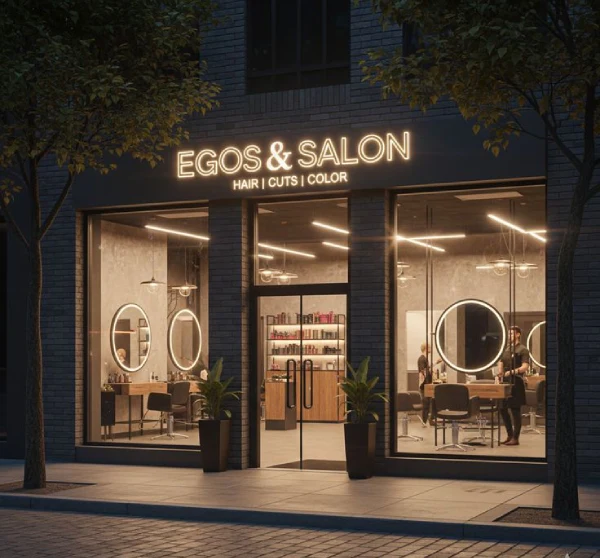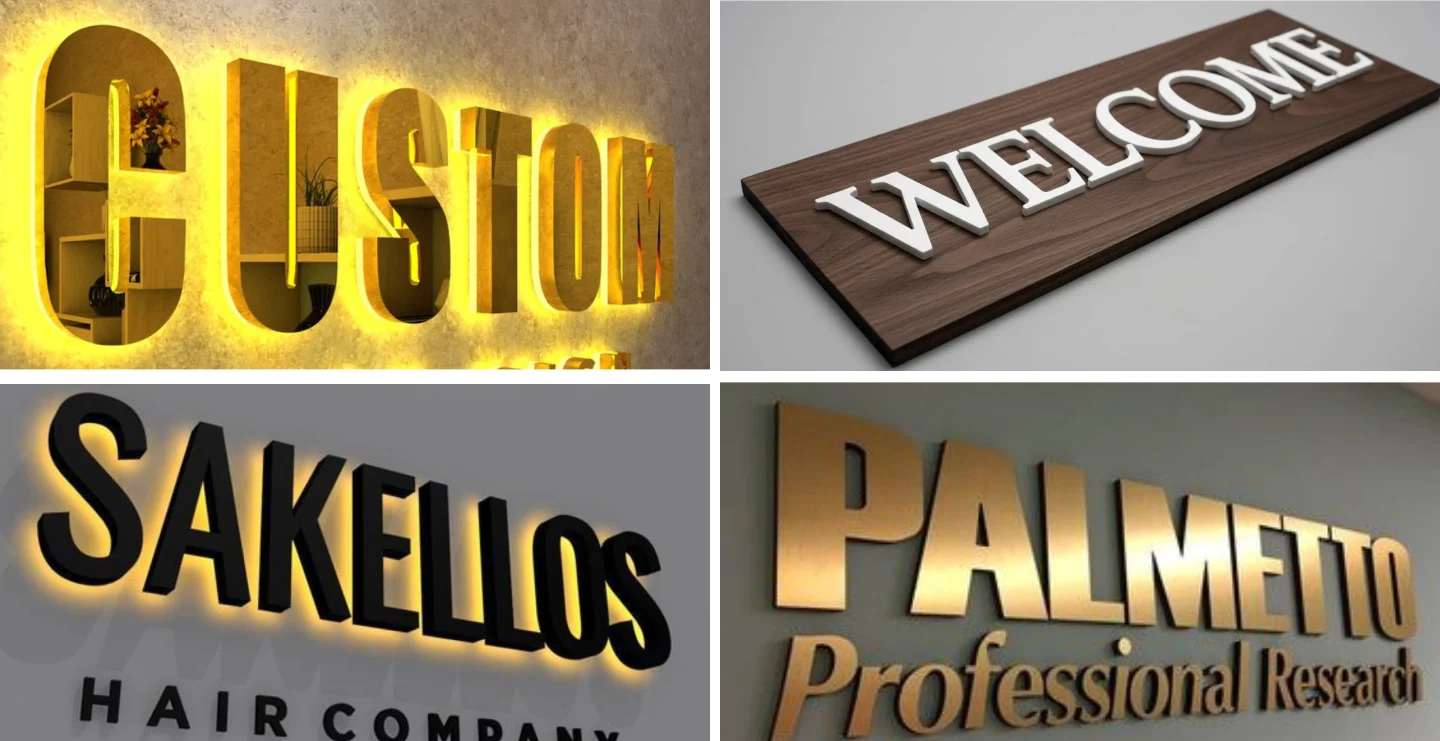
Flat signage has its place, but nothing captures attention quite like a three-dimensional sign board. The depth, shadow, and texture created by raised letters and layered elements give 3D signs a premium, modern feel that stands out day and night. If you are considering upgrading your storefront or office signage, exploring 3D sign board design ideas can help you choose a style that fits your brand and budget.
This guide covers what 3D sign boards are, why their design matters, key elements to consider, popular styles and ideas, and the factors to weigh before finalising one.
What Is a 3D Sign Board?
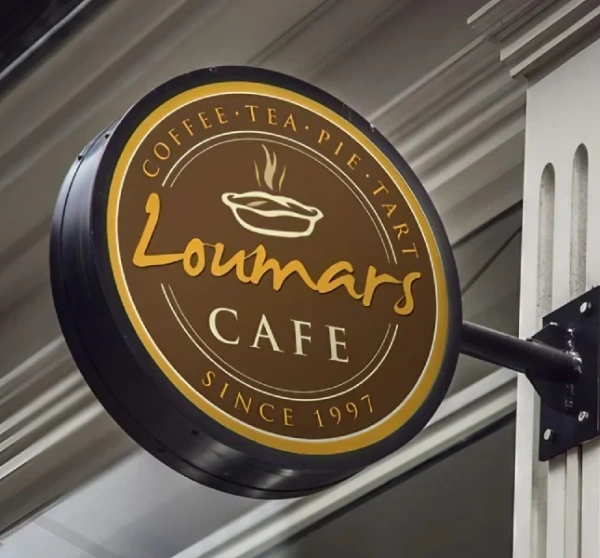
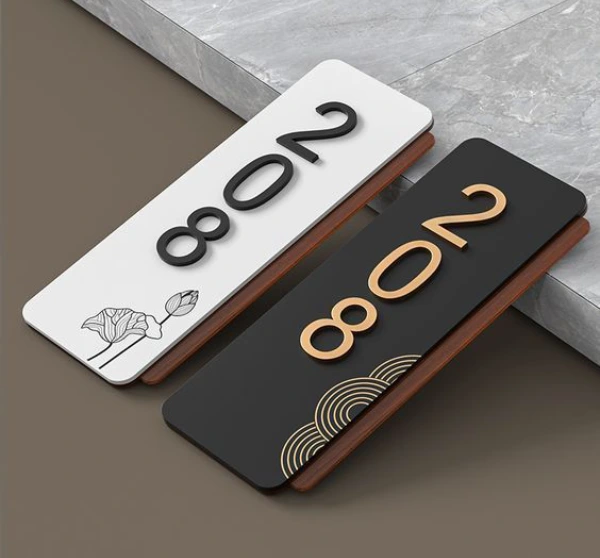
A 3D sign board is a sign where letters, logos, or graphic elements are raised, extruded, or layered off the background panel, creating physical depth rather than a flat printed surface. These signs are typically fabricated from acrylic, stainless steel, aluminium, or moulded plastic, and are mounted using stand-off spacers, direct wall fixing, or channel-letter construction.
Because 3D elements catch and cast shadows from natural or artificial light, they naturally draw more attention than flat signage and often appear more premium, even at a similar size.
Why 3D Sign Board Design Matters
- Creates depth and shadow effects that make signage more noticeable
- Projects a premium, established brand image compared to flat printed boards
- Improves visibility from multiple angles due to the raised profile
- Works especially well when combined with illumination for a striking day-and-night effect
- Offers a tactile, high-quality feel that reflects positively on the business
- Allows for creative layering of materials and finishes for a distinctive look
Key Elements to Consider for 3D Sign Board Design
1. Letter or Element Depth
The depth of the raised letters, typically ranging from a subtle 10mm to a bold 50mm or more, determines how dramatic the shadow and dimension effect will be. Deeper letters create a stronger visual impact but also add weight and cost, so the depth should be balanced against the mounting surface and budget.
2. Material Selection
Stainless steel offers a sleek, durable finish ideal for corporate and premium retail signage, while acrylic works well for illuminated 3D letters due to its light-diffusing properties. Moulded plastic or fibreglass letters are a lighter, more economical option for larger installations such as building-top signage.
3. Mounting Method
Stand-off spacers create a visible gap between the letters and the wall, enhancing the shadow effect, while flush mounting sits the letters directly against the surface for a cleaner, more integrated look. Channel letters, which are hollow and often internally lit, are another popular 3D mounting style for storefronts.
4. Illumination Style
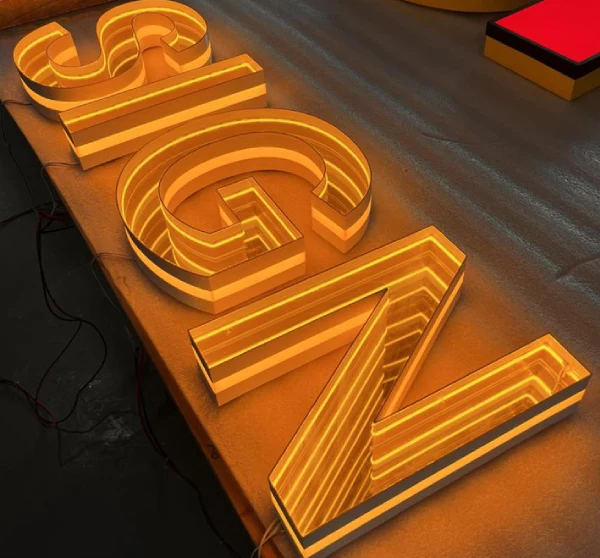
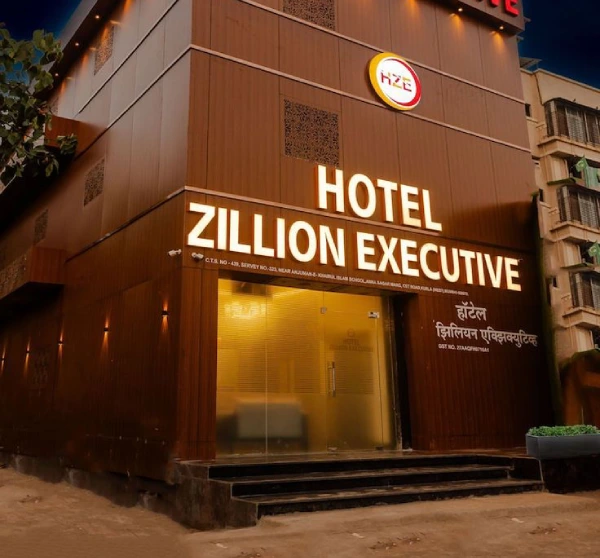
3D signs can be face-lit, where the front of the letter glows; back-lit or halo-lit, where light spills around the edges onto the wall behind; or a combination of both for maximum impact. The choice of illumination significantly changes the sign's appearance after dark, so it should be decided early in the design process.
5. Finish and Texture
Brushed, mirror-polished, matte, or powder-coated finishes each create a different visual effect under light. Matte finishes reduce glare and suit daytime visibility, while polished or mirrored finishes add a striking reflective quality, particularly effective for premium branding.
Popular 3D Sign Board Design Ideas


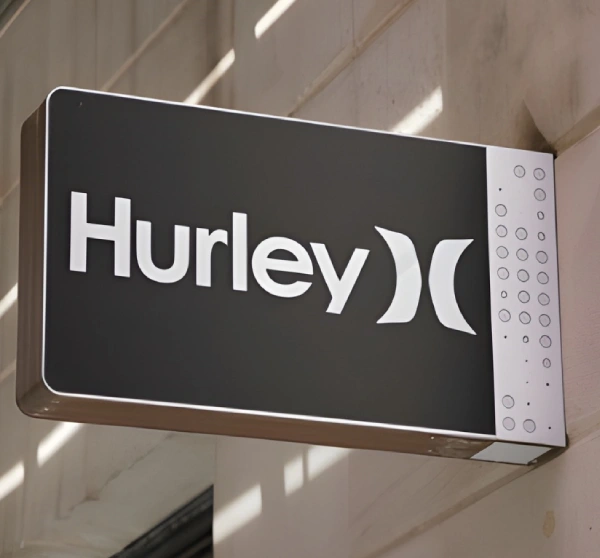
- Stainless steel raised letters - a sleek, corporate-friendly option with a brushed or mirror finish
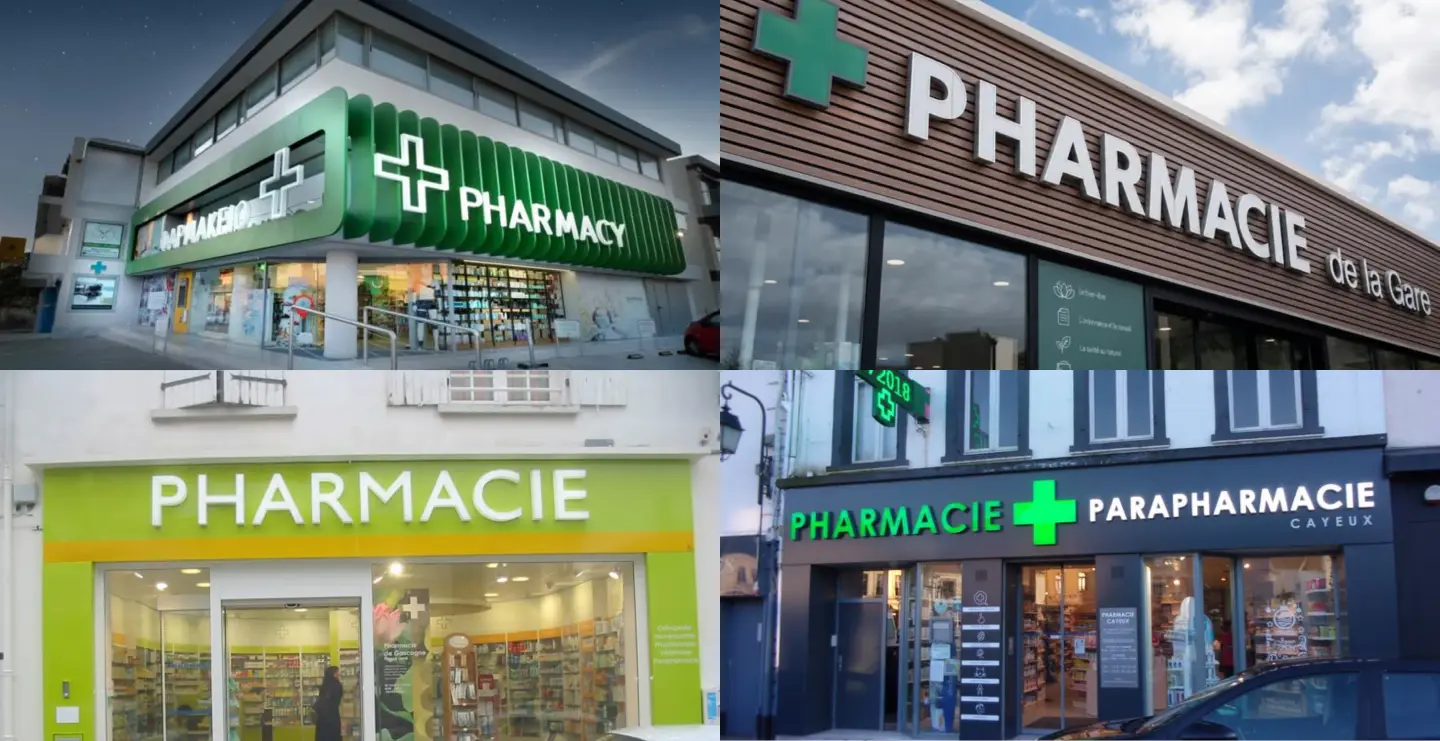
- Halo-lit channel letters - letters that glow around their edges, popular for storefronts and hotel signage
- Layered acrylic and metal combinations - mixing materials at different depths for a rich, dimensional look
- Moulded plastic building-top signs - large, lightweight 3D letters suited for rooftop or high-mounted signage
- Sculptural logo elements - fully three-dimensional logo icons mounted separately from the main text for extra impact
Factors to Consider Before Finalising Your Design
- Mounting surface - ensure the wall or facade can support the weight and fixing method of the chosen material
- Viewing angle - consider how the sign will be seen from the street, since 3D depth changes with angle
- Wind exposure - taller or heavier 3D letters need secure fixing to withstand wind loads, especially at height
- Lighting requirements - decide on face-lit, halo-lit, or unlit design early, as it affects material and wiring choices
- Budget - 3D signage generally costs more than flat printed boards, so plan for the added fabrication complexity
3D Sign Board Price in India (2026)
Pricing depends on material, letter depth, illumination, and overall size. Here is a general breakdown to help you plan your budget before requesting a detailed quote.
Raw Material Cost
Base materials for 3D letters typically cost between Rs. 80 and Rs. 300 per square foot depending on type. Acrylic sheeting for letter fabrication generally ranges from Rs. 80 to Rs. 200 per square foot, while stainless steel sheeting for premium letters can cost Rs. 150 to Rs. 300 per square foot.
Fabricated Sign Board Cost
Non-illuminated 3D letters mounted with stand-off spacers typically cost Rs. 900 to Rs. 1,500 per square foot depending on material and depth. Halo-lit or face-lit channel letters generally range from Rs. 1,400 to Rs. 2,200 per square foot. Large-scale, fully illuminated 3D signage with premium finishes can exceed Rs. 2,500 per square foot depending on complexity.
| Sign Board Type | Approximate Price per Sq. Ft. |
|---|---|
| Raw acrylic sheet | Rs. 80 - 200 |
| Raw stainless steel sheet | Rs. 150 - 300 |
| Non-illuminated 3D letters, fabricated | Rs. 900 - 1,500 |
| Halo-lit or face-lit channel letters, fabricated | Rs. 1,400 - 2,200 |
| Large-scale illuminated 3D signage | Rs. 2,500+ |
What Affects the Final Price
- Letter depth and overall sign size
- Material choice, including acrylic, stainless steel, or moulded plastic
- Type of illumination, if any, and complexity of wiring
- Mounting method, including stand-off spacers or channel letter construction
- Finish quality such as brushed, polished, or powder-coated surfaces
These figures are indicative and vary by city, supplier, and exact specifications. Always request a detailed quote for your particular design.
Choosing the Right Sign Board Manufacturer
3D signage involves more complex fabrication and structural planning than flat boards, so it is important to choose a manufacturer experienced in raised lettering, illumination, and secure mounting systems. Reputable signage companies handle everything from concept design through fabrication and installation, ensuring the finished 3D sign is both visually striking and structurally safe for long-term outdoor use.
Final Thoughts
A well-designed 3D sign board adds depth, shadow, and a premium feel that flat signage simply cannot match. By choosing the right material, depth, and illumination style for your space, and by working with an experienced fabricator, you can create signage that makes a strong, lasting impression day and night.
Frequently Asked Questions
What materials are commonly used for 3D sign boards?
Acrylic, stainless steel, aluminium, and moulded plastic are the most common materials, chosen based on the desired finish, weight, and whether the sign will be illuminated.
Are 3D sign boards more expensive than flat signs?
Yes, 3D signs generally cost more due to the additional fabrication, mounting hardware, and often illumination involved, but they typically offer a stronger visual impact.
Can 3D sign boards be illuminated?
Yes, 3D letters are commonly face-lit, halo-lit, or both, using LED modules to create a glowing effect that enhances visibility and impact after dark.
How long do 3D sign boards last outdoors?
With quality materials, proper mounting, and weatherproofing, 3D sign boards typically last 7 to 10 years outdoors, with LED components sometimes needing servicing sooner.