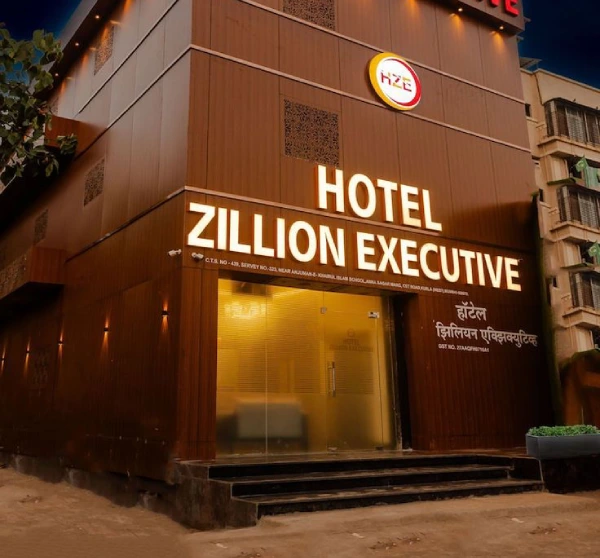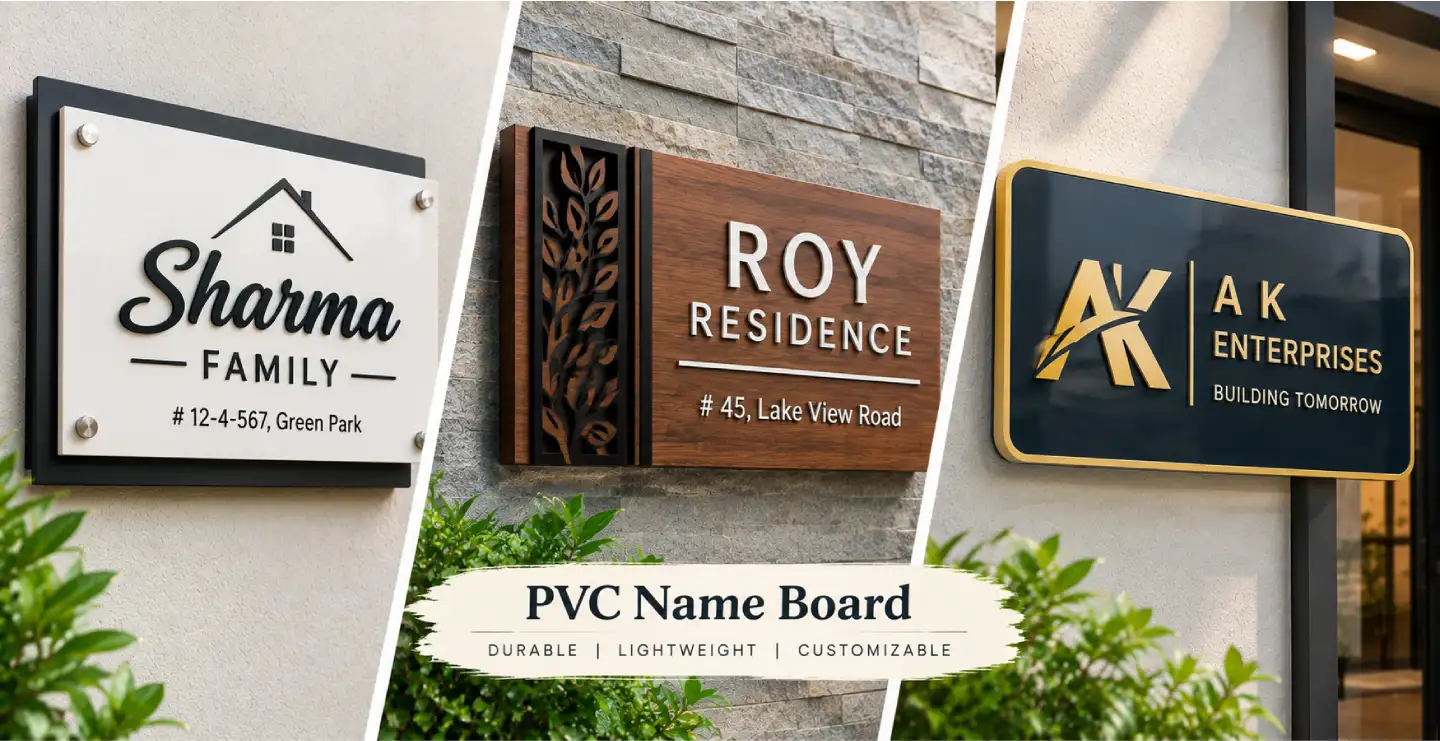
If you've ordered a shop sign, an office door plate, or event signage recently, there's a good chance it was made from PVC foam board. A PVC name board is one of the most widely used materials in the signage industry today, valued for being lightweight, affordable, and easy to print on. This guide explains what PVC boards are, the thickness options available, and where they work best.
What is a PVC Name Board?
PVC name boards are made from rigid PVC (polyvinyl chloride) foam sheet, sometimes known in the signage trade by names like Sintra or Forex board. It's a closed-cell foam material with a smooth, slightly matte surface that takes both print and paint well, and it can be cut, routed, and drilled easily compared to metal or stone.
Why PVC is Popular for Name Boards
- Lightweight, making it easy to handle, transport, and mount without heavy hardware
- Naturally weather-resistant - it doesn't rot, rust, or absorb moisture the way wood or untreated metal can
- Easy to cut into custom shapes and sizes
- Smooth surface ideal for high-quality printing or vinyl application
- Significantly more affordable than metal, stone, or acrylic for the same size
Common Thicknesses and What They're Used For
- 1mm to 3mm – Thin sheets suited to small indoor signage and lightweight plates.
- 5mm to 10mm – The most common range for general-purpose name boards, offering a good balance of rigidity and weight.
- 12mm to 20mm and above – Thicker boards used for premium, standalone signage, often with routed or engraved lettering for a more substantial look.
Printing and Customisation Options
PVC boards can be customised in several ways depending on budget and the look you want:
- UV printing directly onto the board, offering full-colour, photo-quality results
- Vinyl sticker application, a cost-effective option that's also easy to replace if the design changes
- Engraved or routed lettering with contrasting colour fill for a more premium, tactile finish
- PVC used as a backing board with separately mounted acrylic or metal letters on top
Common Uses for PVC Name Boards


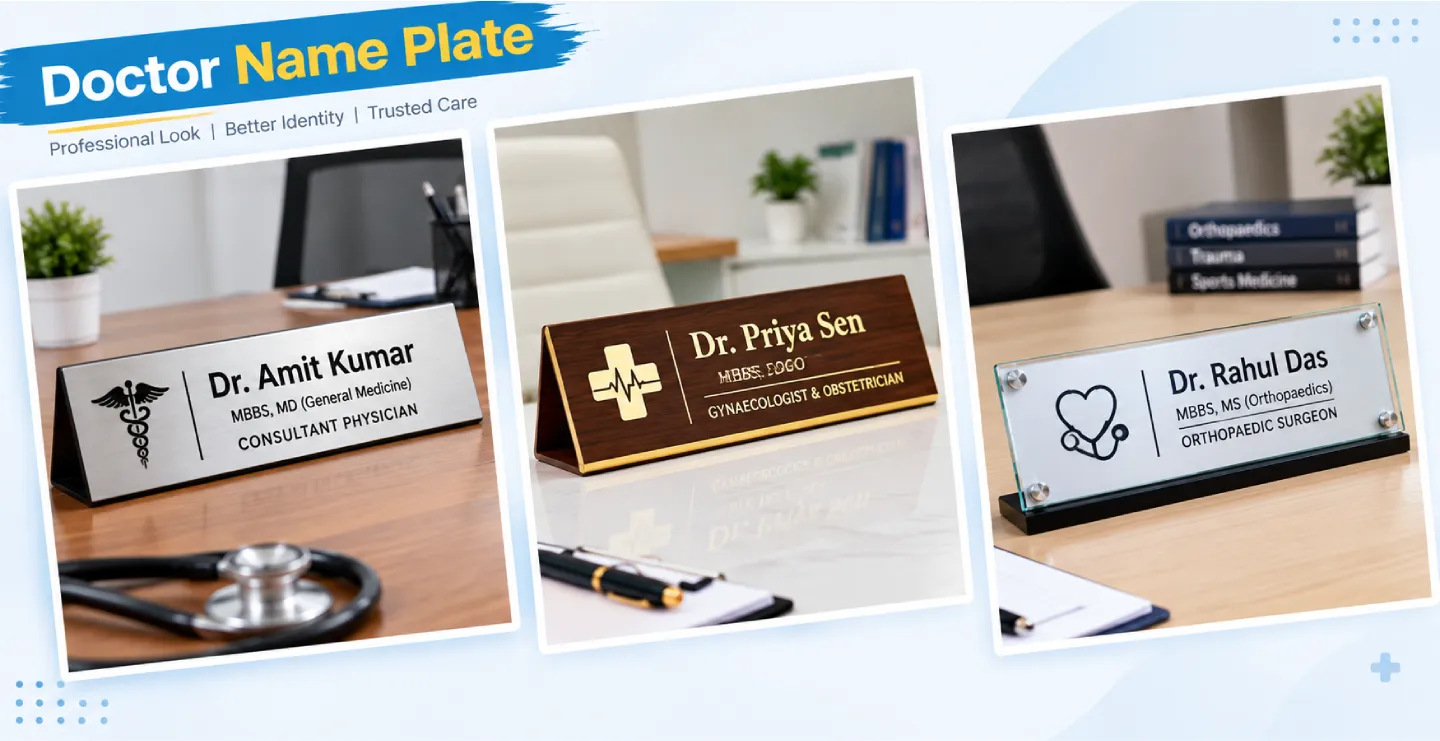
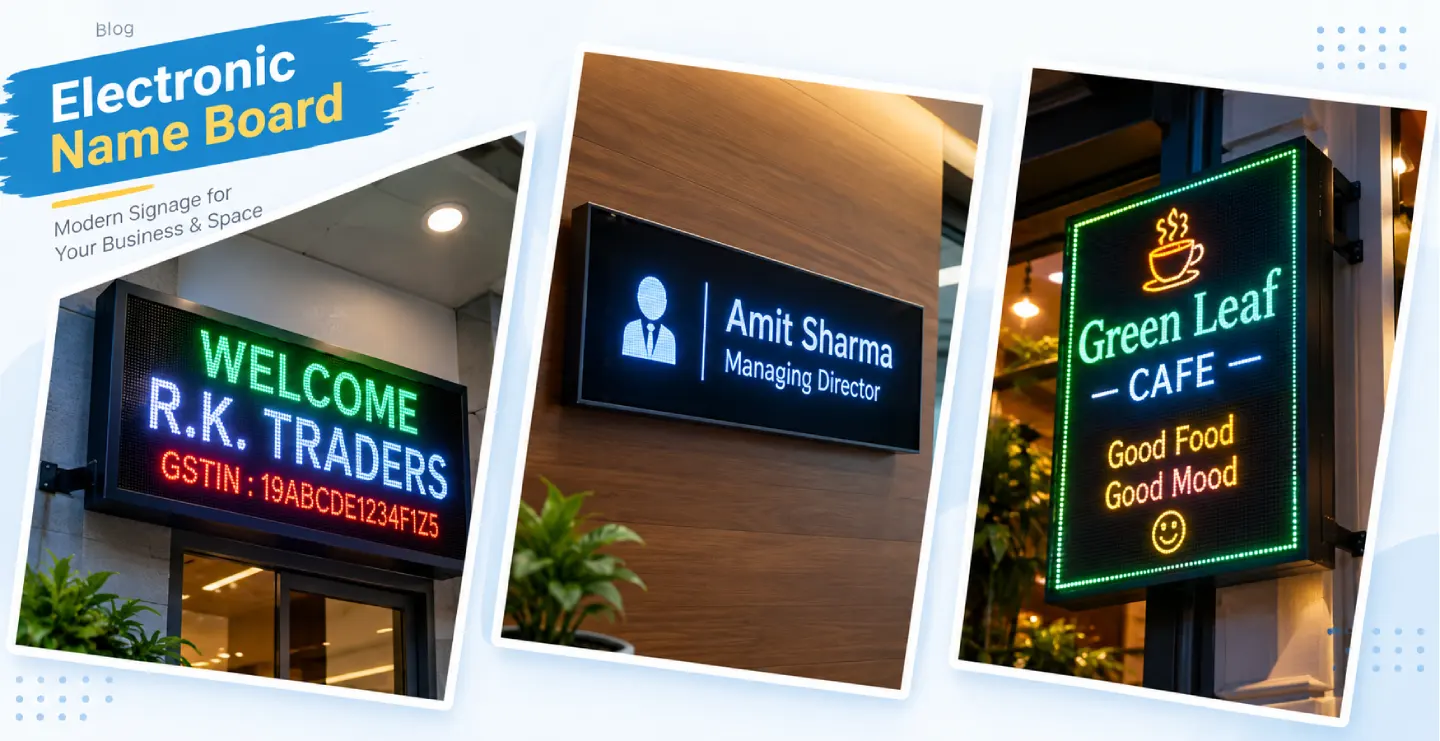
PVC is genuinely versatile as a signage material. It's commonly used for shop and showroom boards, office door and cabin plates, temporary event or exhibition signage, real estate project hoardings, and directional or safety signage within buildings and premises.
Durability and Weather Resistance
Standard PVC boards handle rain and humidity well since the material itself doesn't absorb water or warp easily. The main thing to watch for outdoors is UV exposure over several years, which can fade printed colours on lower-quality inks. Asking for UV-stable inks or a protective laminate coating extends the usable life of PVC signage that will sit in direct sun for years rather than months.
PVC vs Other Board Materials
Compared to Aluminium Composite Panel (ACP), PVC is lighter and cheaper but slightly less rigid over very large sizes. Compared to acrylic, PVC has a more matte, understated look and costs considerably less, while acrylic offers a glossier, more premium finish. Compared to wood or metal, PVC is far lighter and more budget-friendly, though it doesn't carry quite the same premium feel for a high-end entrance or reception.
Frequently Asked Questions
Is a PVC name board waterproof?
Yes, PVC foam board is inherently water-resistant and doesn't absorb moisture, which is one of the main reasons it's popular for both indoor and outdoor signage.
What thickness is best for outdoor use?
5mm to 10mm is a common choice for outdoor name boards, offering enough rigidity to resist wind and handling while staying reasonably lightweight.
Can PVC boards be recycled?
PVC can technically be recycled, though acceptance depends on local recycling facilities, since not all centres process rigid PVC foam board.
How long does printed PVC signage last outdoors?
With standard printing, expect a few years of good colour retention in direct sun; UV-stable inks or a laminate finish can extend this considerably.
Is PVC good for office cabin doors?
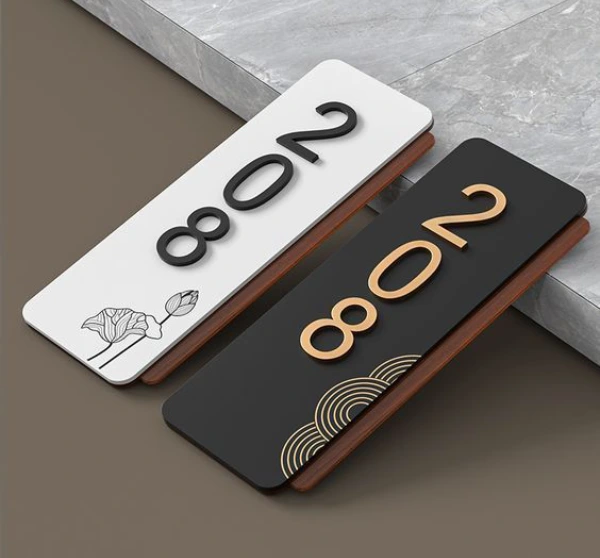
Yes, PVC is a popular, budget-friendly choice for cabin name plates, particularly in offices ordering plates in bulk for many doors.
Can PVC boards be cut into custom shapes?
Yes, PVC foam board cuts cleanly with standard tools, making it easy to produce custom shapes, logos, or cut-out lettering.
What's the difference between PVC and ACP boards?
ACP (Aluminium Composite Panel) has thin aluminium sheets bonded to a core, making it more rigid and heavier, while PVC foam board is entirely plastic, lighter, and generally more affordable.
Conclusion
A PVC name board hits a practical sweet spot between cost, durability, and ease of customisation, which is why it remains one of the most common materials for everyday signage. Choosing the right thickness and print finish for your specific use - indoor, covered outdoor, or full sun exposure - will get you the most life out of the board.