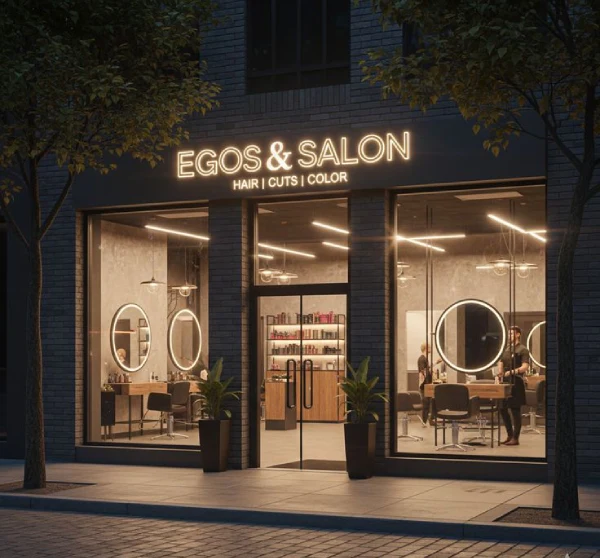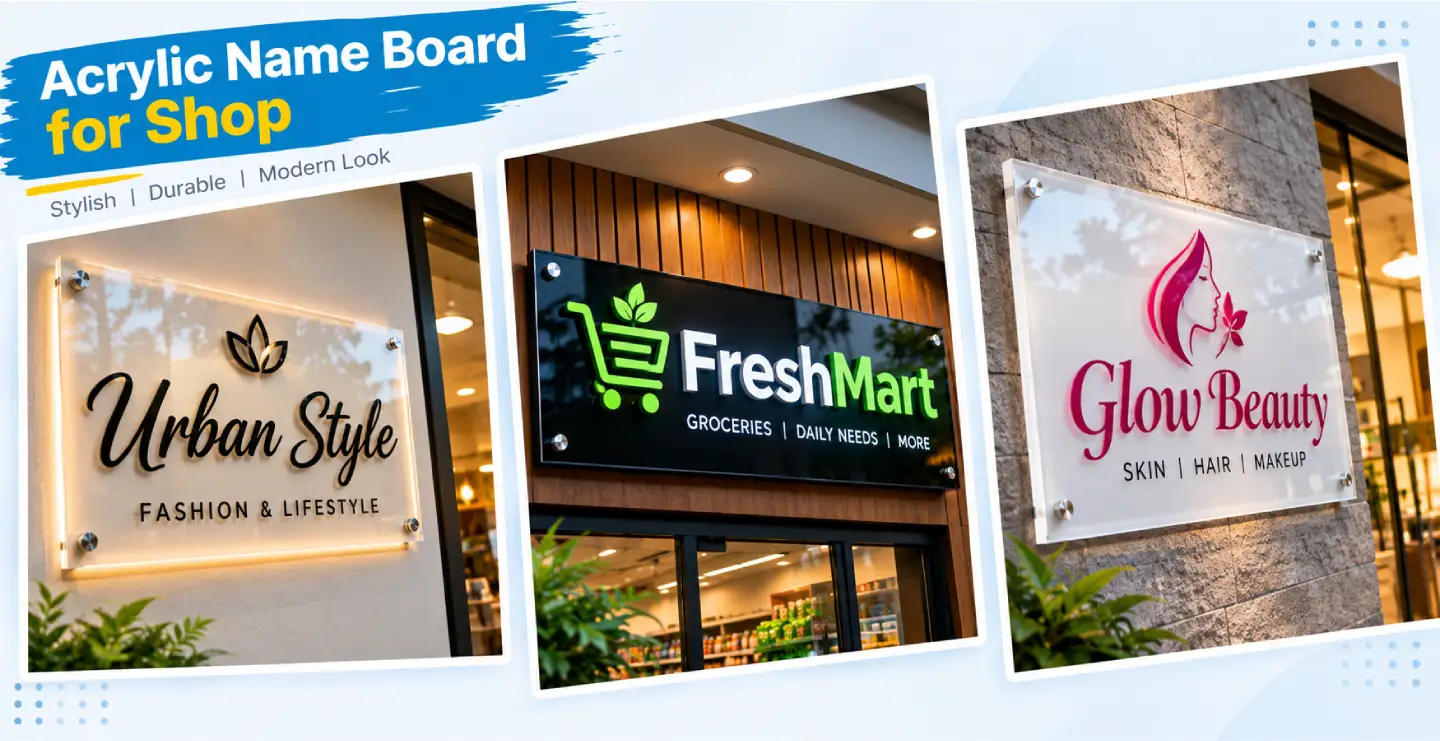
Walk down almost any commercial street today and acrylic is the material behind most of the signage you see — from glowing backlit shop names to crisp 3D letters mounted above a storefront. An acrylic name board for shop has become the default choice for a reason: it looks premium, holds colour well, and offers more design flexibility than almost any other signage material. This guide covers the types, finishes, thicknesses, and practical buying advice for getting acrylic shop signage right.
Why Acrylic is a Top Choice for Shop Signage
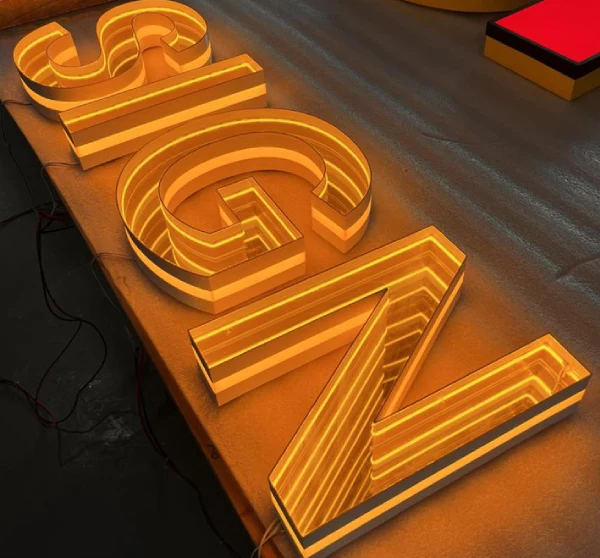
Acrylic strikes a rare balance of looking premium while remaining genuinely practical. It has a natural glossy finish that reads as more upscale than printed PVC or flex, yet it's lightweight enough to mount without heavy structural support. It also diffuses LED light beautifully, making it the go-to material for backlit signage, and it can be laser-cut with sharp precision for logos, custom shapes, or individual lettering that would be difficult to achieve cleanly in other materials.
Types of Acrylic Shop Boards


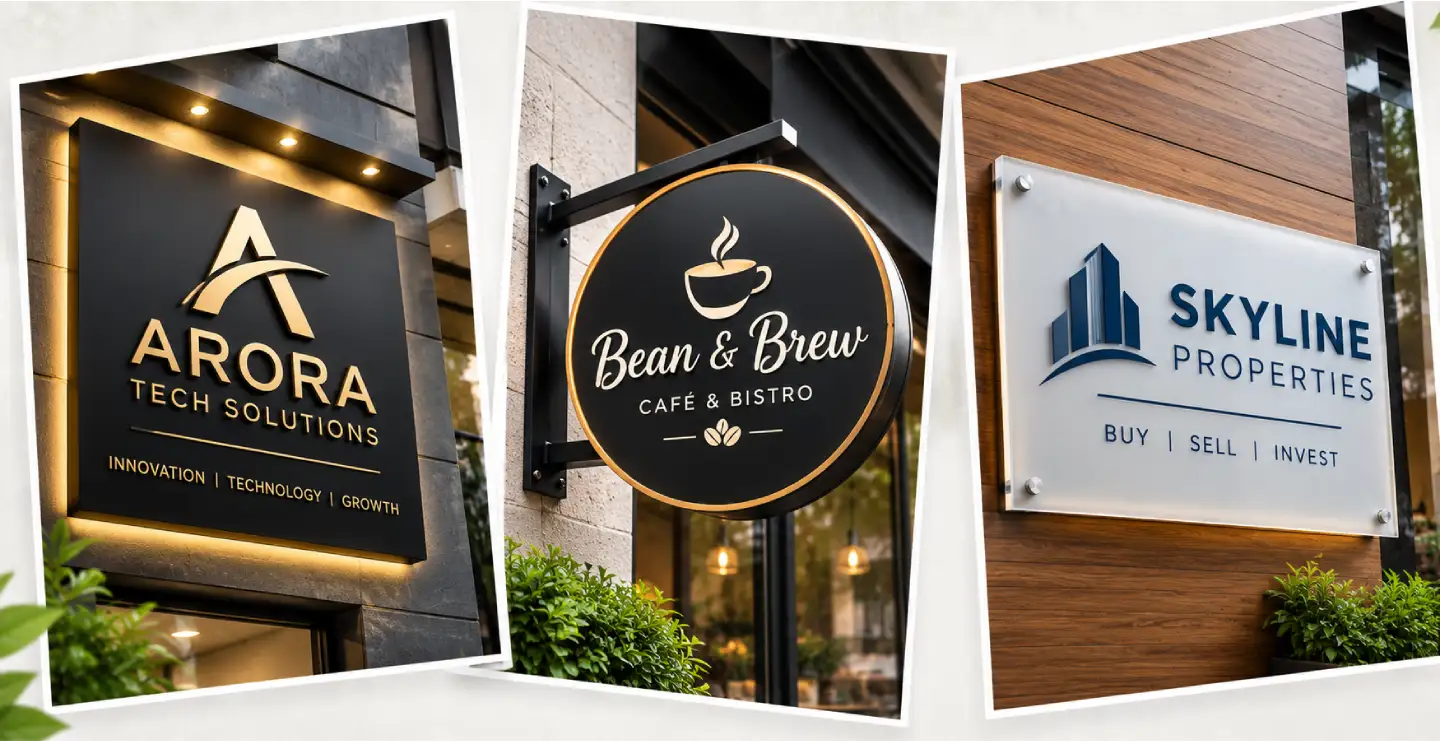
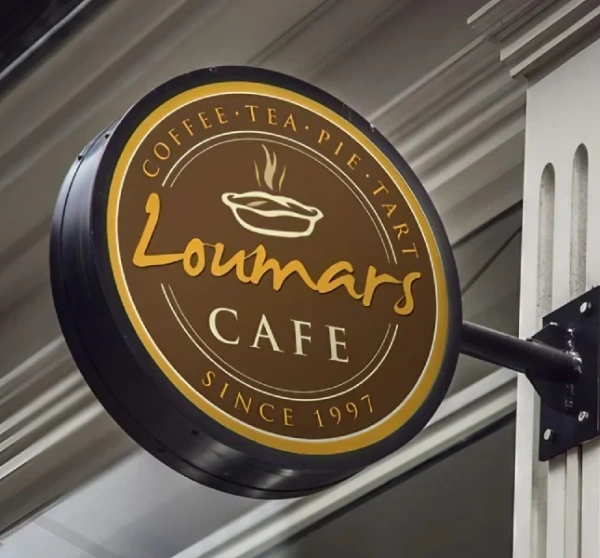
- Flat UV-printed panels – The shop name and any graphics are printed directly onto a flat acrylic sheet; the most affordable and common format.
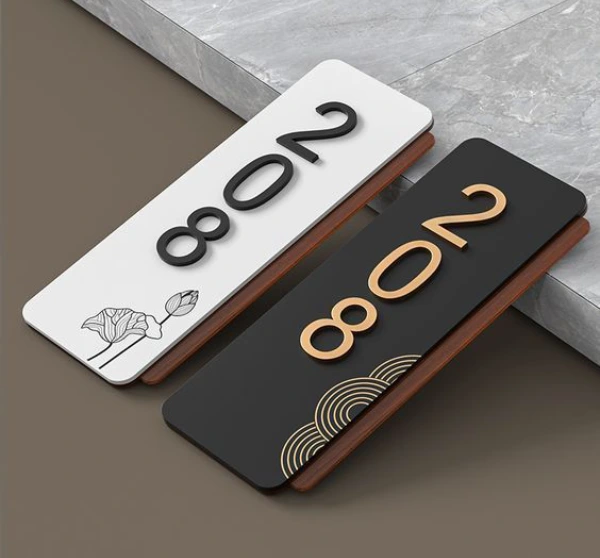
- 3D or raised acrylic letters – Individually cut letters mounted with a slight gap off the wall (standoff mounting), creating a layered, dimensional look.
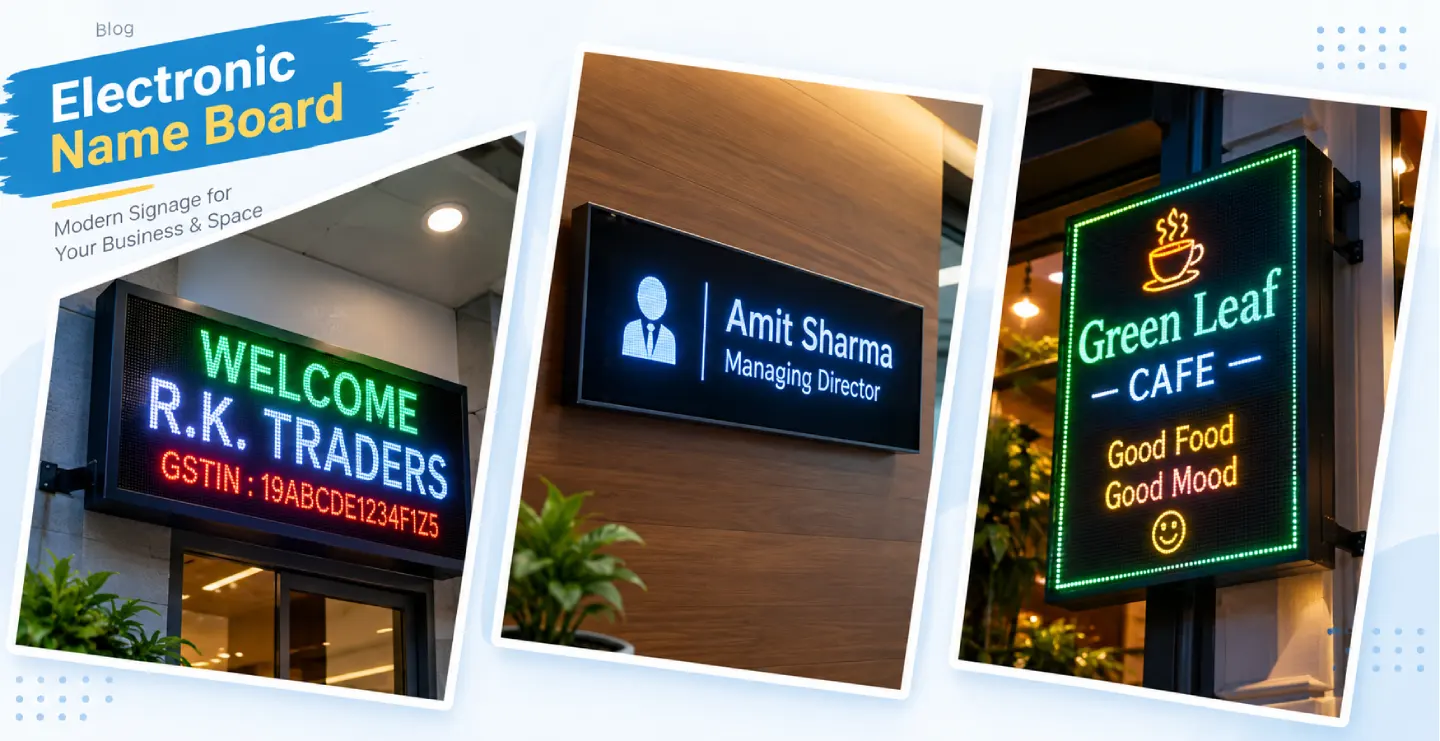
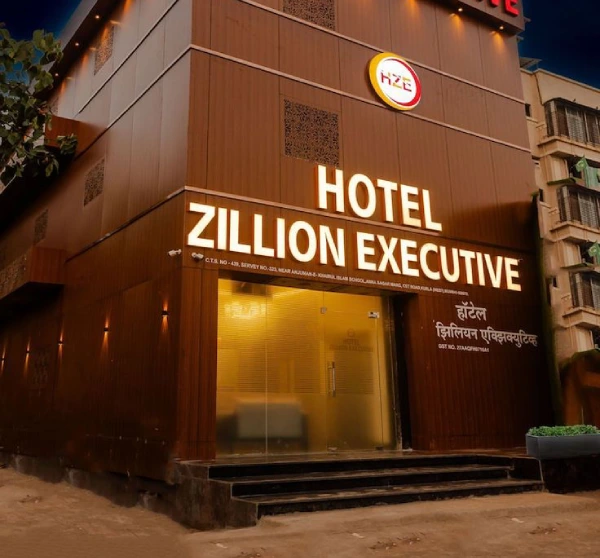
- LED backlit or edge-lit boards – Acrylic panels illuminated from behind or along the edges, glowing evenly and staying visible after dark.
- Laser-cut logo or lettering panels – Precisely cut shapes, often mounted directly onto a wall or a secondary backing board.
- Combination boards – Acrylic paired with metal, wood, or ACP backing for a layered material contrast.
Acrylic Colours and Finishes
Acrylic offers far more visual variety than most signage materials. Clear or transparent acrylic gives a minimal, almost invisible mounting look for lettering that appears to float on the wall. Frosted or translucent acrylic diffuses light softly, popular for backlit signs. Opaque coloured acrylic comes in a huge range of shades to match brand colours exactly. Mirror-finish acrylic, in gold or silver, adds a reflective, premium touch often used for boutique or upscale storefronts. Within these, both matte and high-gloss surface finishes are available depending on the look you're after.
Thickness Options and What They're Used For
- 3mm to 5mm – Suited to flat printed panels and smaller indoor signage.
- 8mm to 12mm – A common range for raised or standoff-mounted lettering, offering good rigidity without excessive weight.
- 15mm to 20mm and above – Used for large standalone letters or premium installations where a more substantial, three-dimensional presence is wanted.
Design Tips for Shop Visibility
Strong contrast between the lettering and background colour makes the biggest difference to how far away your sign stays readable, more so than font choice alone. Keep the shop name as the clear focal point — taglines, contact numbers, or service lists are better placed on secondary signage rather than competing for space on the main board. Size the board proportionate to your shopfront's width so it neither looks lost on a large facade nor cramped on a narrow one. If your shop is open into the evening, backlighting isn't just decorative — it directly affects whether customers can find you after dark.
Installation and Mounting Options
Standoff mounting, using small metal spacers, holds the acrylic slightly away from the wall, creating a subtle shadow gap that gives even a flat panel a more dimensional, premium appearance. Direct adhesive mounting is simpler and works well for smaller or lighter panels, particularly indoors. Backlit installations require professional electrical work for the LED wiring and power point, and it's worth having this done by a qualified installer rather than attempted as a DIY job, both for safety and for a clean finish. For any acrylic sign facing direct outdoor sun for years rather than months, confirm the acrylic and any printed ink used are UV-stabilised, since standard acrylic can gradually yellow with prolonged UV exposure.
Cost Factors for Acrylic Shop Signage
Price depends on size, thickness, and the complexity of the design — a simple flat printed panel costs considerably less than 3D raised letters or a fully backlit installation. LED backlighting adds both material and electrical installation costs. Larger letters or thicker acrylic sheets increase material cost, and highly custom shapes or logos add to production time and therefore price. It's worth getting a quote that separates material, printing or cutting, and installation charges so you can see where the cost is actually going.
Maintenance and Durability
Acrylic is generally low-maintenance — a soft cloth with mild soap and water is usually all that's needed for regular cleaning. Avoid ammonia-based glass cleaners, which can cause acrylic surfaces to cloud, craze, or develop fine surface cracks over time; a dedicated plastic-safe cleaner or simply soapy water is a safer choice. For outdoor signage, UV-stabilised acrylic will hold its colour and clarity considerably longer than standard-grade sheets, which is worth confirming with your signage maker before ordering.
Frequently Asked Questions
Is acrylic durable enough for outdoor shop signage?
Yes, particularly UV-stabilised acrylic, which resists yellowing and fading far better than standard-grade acrylic when exposed to direct sunlight for years.
What's the difference between flat printed and 3D acrylic letters?
Flat printed panels have the design printed directly onto a single sheet, while 3D letters are individually cut and mounted with a gap off the wall for a raised, dimensional look.
How much does an acrylic shop board typically cost compared to PVC?
Acrylic generally costs more than basic PVC or vinyl-printed boards due to its glossier finish and more involved fabrication, especially for backlit or 3D designs.
Can acrylic signage be backlit?
Yes, acrylic is one of the best materials for backlighting since it diffuses LED light evenly, which is why it's the most common choice for illuminated shop signs.
What thickness is best for a standalone shop letter sign?
15mm to 20mm or thicker acrylic is typically used for standalone letters that need to hold their shape and look substantial without additional backing.
How do I clean an acrylic name board safely?
Use a soft cloth with mild soap and water, and avoid ammonia-based cleaners, which can cloud or crack the acrylic surface over time.
Does acrylic yellow over time in direct sunlight?
Standard acrylic can yellow gradually with prolonged UV exposure, but UV-stabilised acrylic is specifically treated to resist this and stays clear much longer.
Conclusion
An acrylic name board for shop fronts remains one of the best-looking, most versatile signage choices available, whether you go for a simple flat printed panel or a fully backlit 3D installation. Choosing the right thickness, finish, and UV-stable grade for your specific storefront will keep it looking sharp for years rather than fading within one harsh summer.