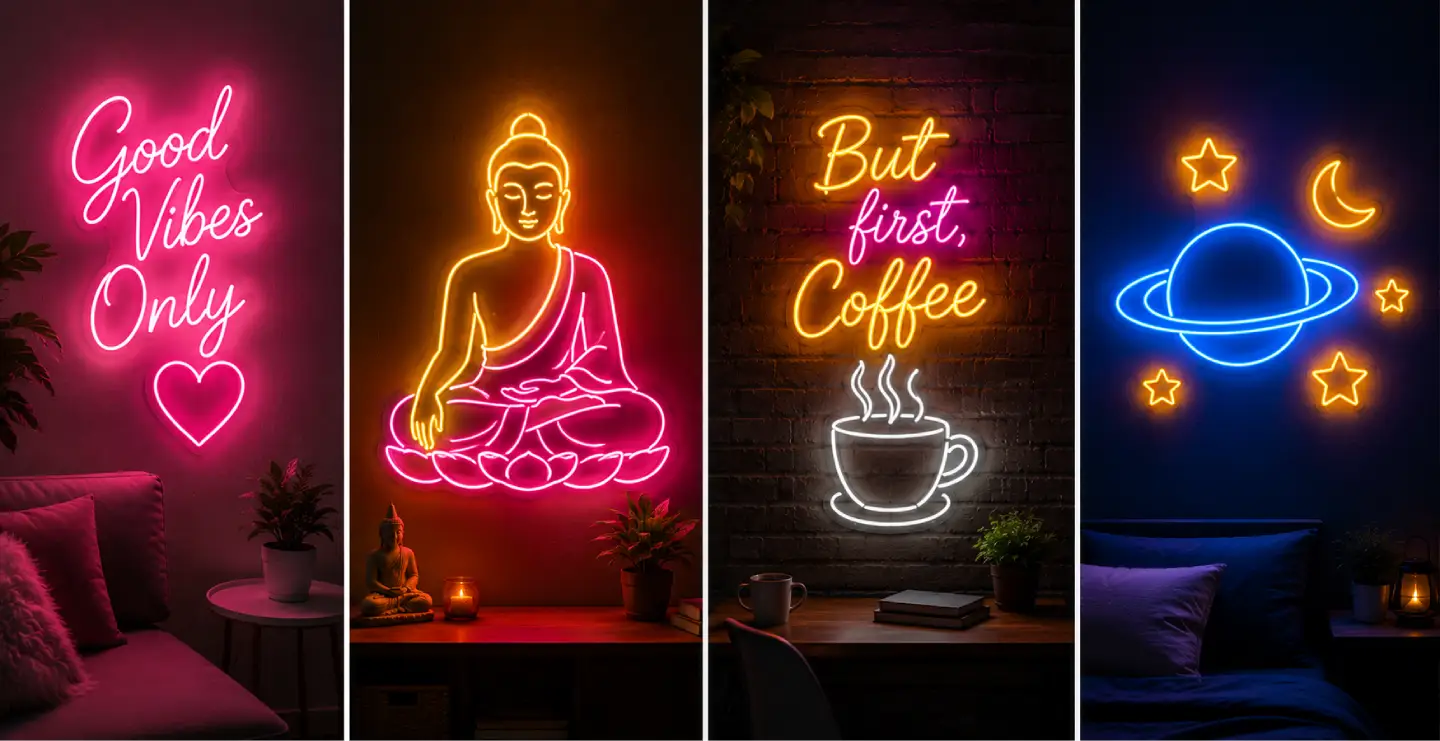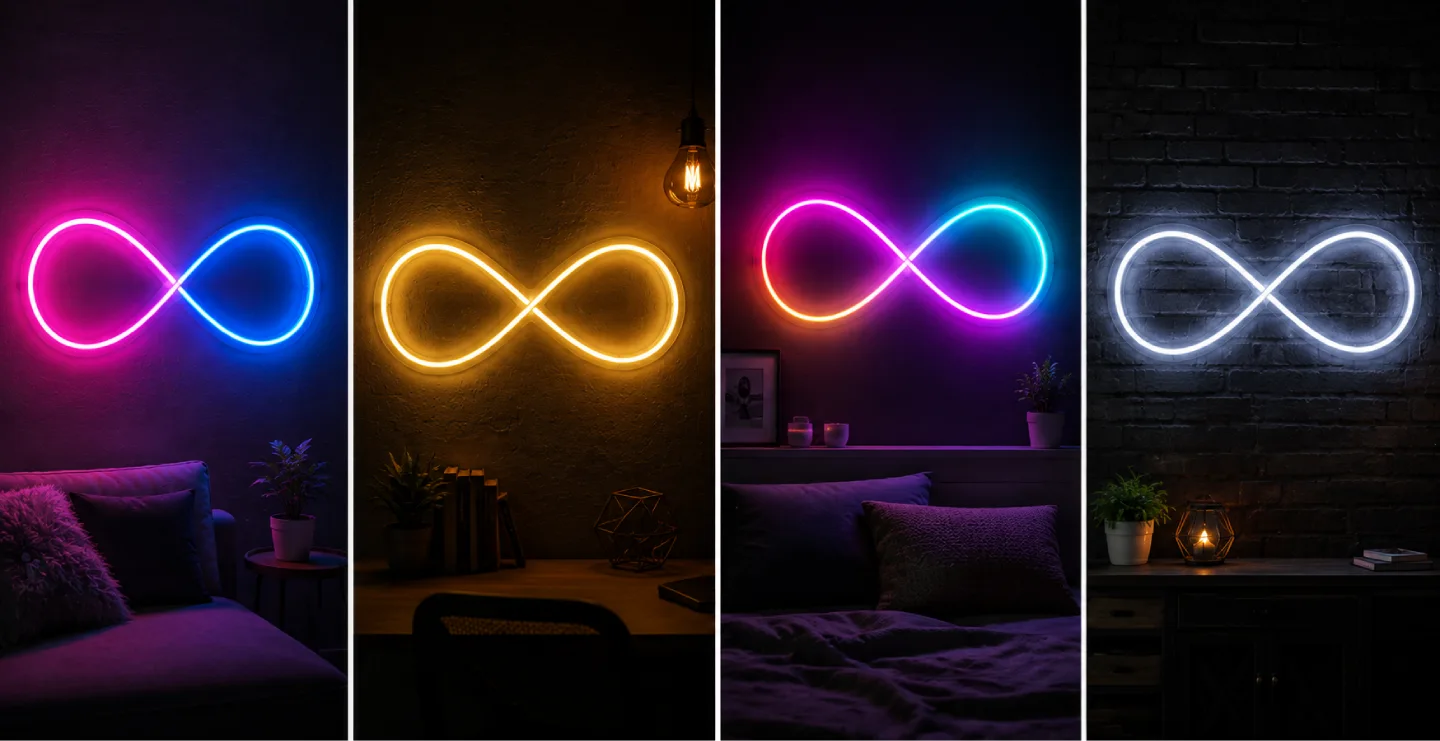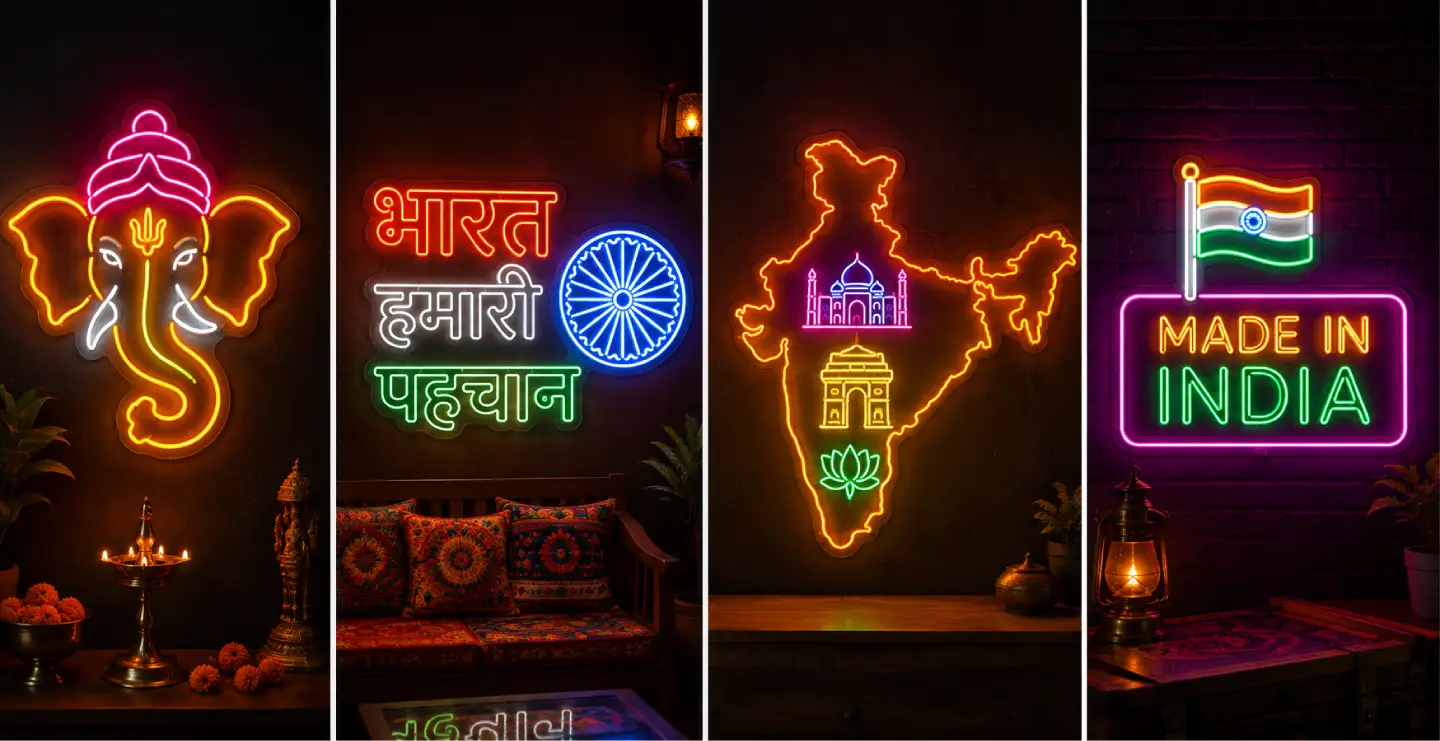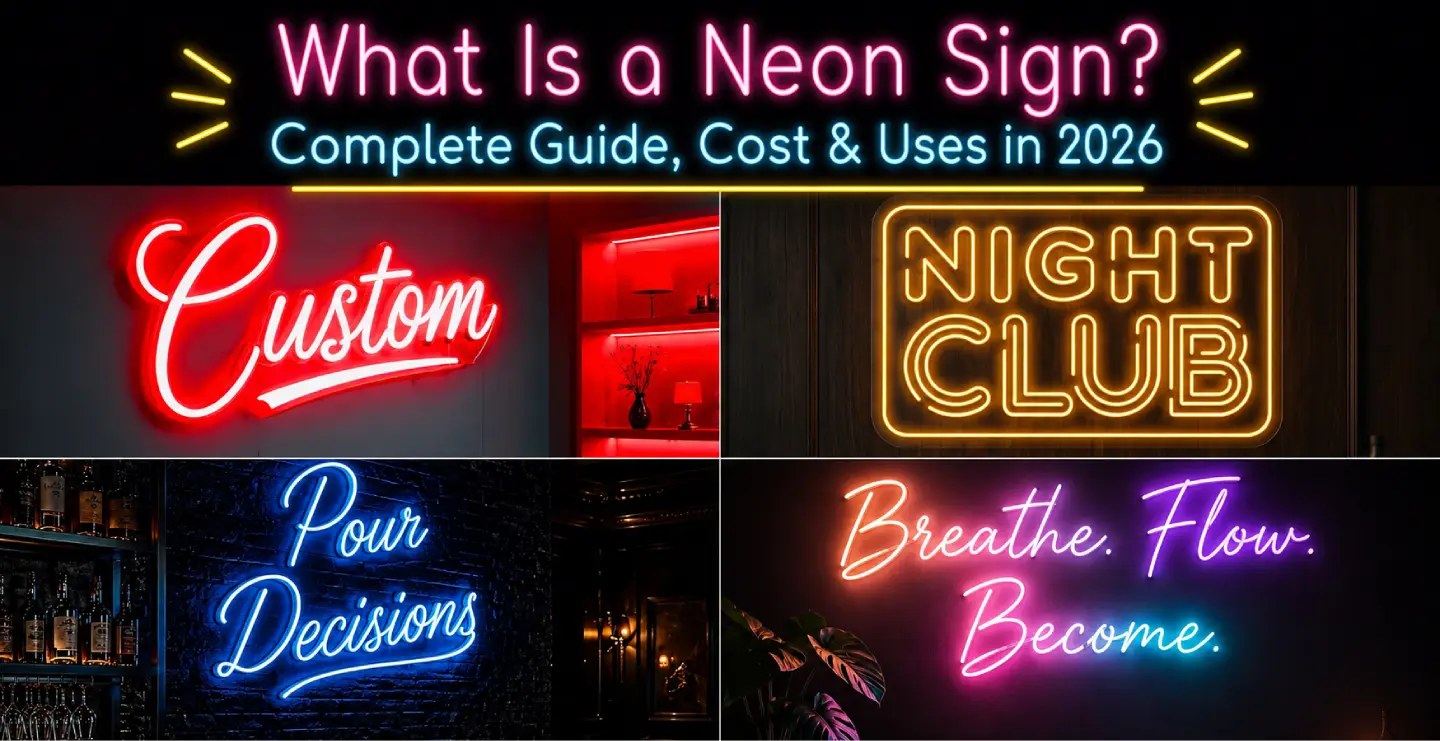
Few forms of signage have the instant visual appeal of neon. Glowing, colourful, and unmistakably eye-catching, neon signs have been a staple of storefronts, restaurants, and home decor for nearly a century. But many people asking "what is a neon sign" today are actually picturing the modern LED version rather than the original glass-tube technology. Understanding the difference, along with how neon signs work and where they are used, helps when deciding what kind of sign is right for a business or home.
This guide covers what a neon sign actually is, how it works, the difference between traditional and LED neon, common uses, and the factors to consider before choosing one.
What Is a Neon Sign?
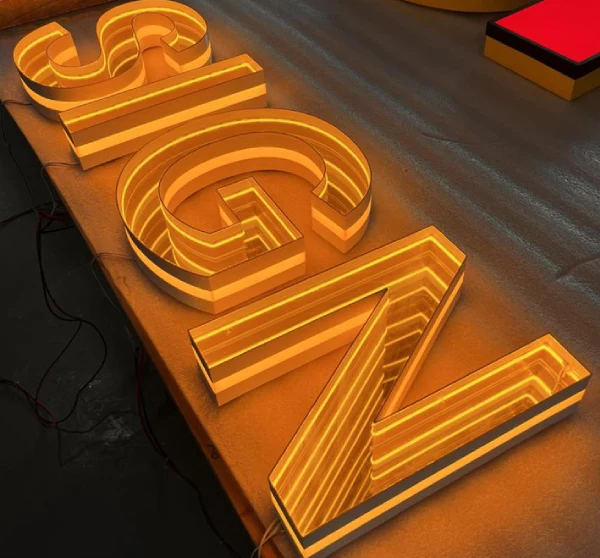
A neon sign is a type of illuminated signage that produces a glowing effect, traditionally created by passing an electrical current through a glass tube filled with neon or other noble gases, causing the gas to emit coloured light. The term "neon sign" has since expanded in everyday use to also describe modern LED neon flex signs, which mimic the glowing tube appearance using flexible LED strips instead of glass and gas.
Both versions serve the same visual purpose - creating vivid, glowing text, shapes, or logos - but differ significantly in construction, cost, safety, and maintenance.
How Traditional Glass Neon Signs Work
Traditional neon signs are made by heating and hand-bending glass tubes into the desired shape, then filling them with neon gas (which produces a red-orange glow) or other gases like argon mixed with mercury (which produce blue, and can be combined with coloured glass or phosphor coatings to create a wider colour range). Electrodes at each end of the tube are connected to a high-voltage transformer, and when current passes through the gas, it ionises and emits light. This process requires skilled glassblowing and is generally more time-consuming and costly to produce than modern alternatives.
How LED Neon Signs Work
LED neon signs use a flexible silicone or PVC tube embedded with a strip of small LED lights, designed to mimic the smooth, continuous glow of traditional neon without using any glass or gas. Because LEDs are solid-state components, these signs run cooler, consume significantly less electricity, and are far more resistant to breakage than glass tube signs, making them the preferred choice for the vast majority of modern signage projects.
Why Neon Signs Remain So Popular
- Creates a vibrant, attention-grabbing glow that is visible day and night
- Offers a wide range of colours and custom shapes to match any brand or personal style
- Works equally well for commercial signage and home decor applications
- Modern LED versions are energy-efficient, safe, and long-lasting compared to older glass technology
- Highly photogenic, making it a popular feature for social media content and marketing
- Can be custom-shaped to match logos, text, or decorative icons precisely
Common Uses of Neon Signs


Commercial Storefronts
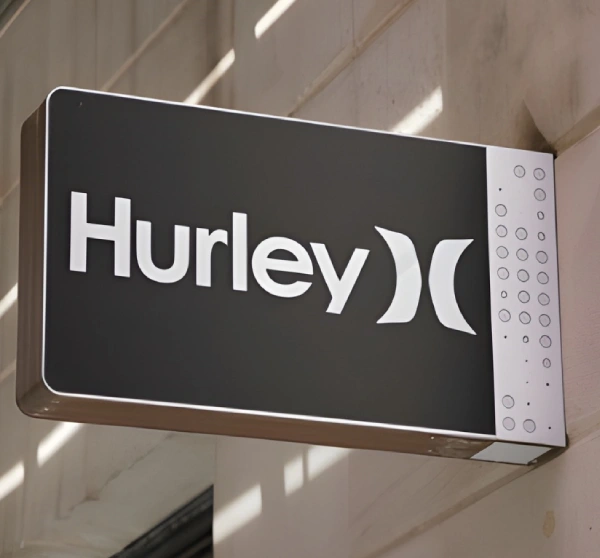
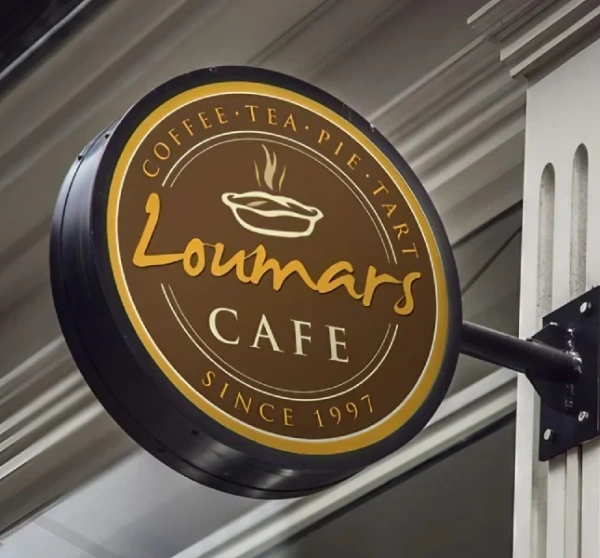
Retail stores, restaurants, bars, and salons commonly use neon signs for business names, "Open" signs, and logo displays to attract foot traffic day and night.
Home Decor
Bedrooms, living rooms, and home offices increasingly feature custom neon signs with names, quotes, or icons as a personalised, glowing accent piece.
Events and Weddings
Neon signs are widely used at weddings, birthday parties, and corporate events, often featuring names, dates, or custom messages as a decorative backdrop.
Hospitality and Entertainment
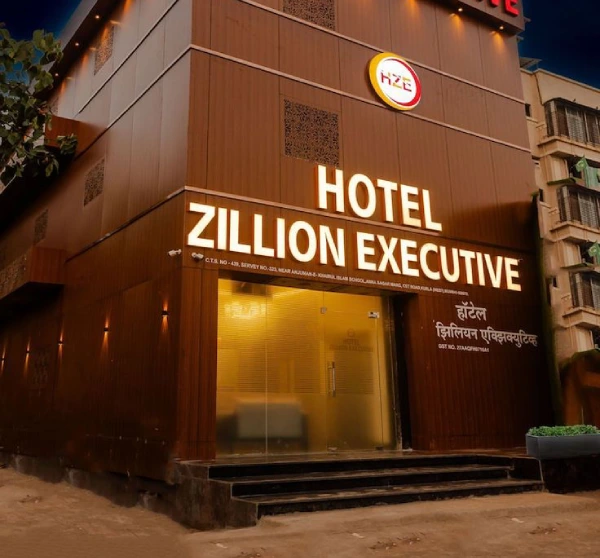
Hotels, bars, and entertainment venues use neon extensively to create atmosphere, wayfinding, and branded visual identity throughout a space.
Factors to Consider Before Choosing a Neon Sign
- Glass vs LED neon - glass offers an authentic vintage glow but is heavier, more fragile, and costlier to maintain, while LED neon is safer, lighter, and more energy-efficient
- Indoor vs outdoor use - outdoor signs require weatherproof rated materials and appropriate electrical protection
- Size and viewing distance - larger signs are needed for street-facing visibility, while smaller signs suit indoor accent placement
- Colour and brand matching - LED neon offers a wide, consistent colour range that can be matched closely to brand palettes
- Power and installation - confirm nearby power outlet access and mounting surface suitability before finalising placement
Neon Sign Price in India (2026)
Pricing depends on sign type, size, complexity, and whether it is traditional glass or modern LED neon. Here is a general breakdown to help you plan your budget before requesting a detailed quote.
Raw Material Cost
LED neon flex tubing typically costs between Rs. 150 and Rs. 350 per running foot depending on brightness and colour options, while traditional glass neon tubing costs more due to specialised glassblowing labour, generally starting around Rs. 400 per running foot.
Fabricated Sign Cost
Small custom LED neon signs, such as a name or short phrase, typically cost Rs. 3,000 to Rs. 8,000 depending on size and colour complexity. Larger custom LED neon logo or business signs generally range from Rs. 10,000 to Rs. 30,000, while traditional glass neon signs of comparable size often cost 30 to 50 percent more due to fabrication complexity.
| Neon Sign Type | Approximate Price |
|---|---|
| LED neon flex tubing (per running ft.) | Rs. 150 - 350 |
| Traditional glass neon tubing (per running ft.) | Rs. 400+ |
| Small custom LED neon sign (name/short phrase) | Rs. 3,000 - 8,000 |
| Large custom LED neon logo/business sign | Rs. 10,000 - 30,000 |
What Affects the Final Price
- Sign size and total tubing or LED length required
- Number of colours and complexity of the design or logo shape
- Glass neon versus LED neon flex construction
- Backing board material and mounting style
- Indoor versus outdoor weatherproofing requirements
These figures are indicative and vary by city, supplier, and exact specifications. Always request a detailed quote for your particular design.
Choosing the Right Neon Sign Manufacturer
Because neon signs involve specialised fabrication, whether glass-bending or LED strip assembly, it is important to choose a manufacturer experienced in both design and safe electrical construction. A reliable signage company will guide you through material selection, provide a design mockup before production, and ensure the finished sign is safe for long-term indoor or outdoor use.
Final Thoughts
Understanding what a neon sign is - and how modern LED versions differ from traditional glass tubing - makes it much easier to choose the right option for a business or home. Whether you want the authentic vintage glow of glass neon or the safer, more efficient modern LED alternative, neon signage remains one of the most visually striking ways to add personality and attention-grabbing light to any space.
Frequently Asked Questions
Is LED neon the same as traditional neon?
No, traditional neon uses glass tubes filled with gas, while LED neon uses flexible LED strips designed to mimic the same glowing appearance without glass or gas.
Which is safer, glass neon or LED neon?
LED neon is generally considered safer, as it runs cool to the touch and does not carry the fragility or high-voltage risks associated with glass tube neon.
Can neon signs be customised with any text or shape?
Yes, both glass and LED neon signs can be custom-shaped to match specific text, logos, or icons based on an approved design mockup.
How long do neon signs typically last?
LED neon signs typically last several years with regular daily use, while traditional glass neon signs can last even longer but may require occasional gas or electrode servicing.