LED sign boards have become the go-to solution for businesses looking to enhance visibility, branding, and customer engagement. From retail stores and restaurants to corporate offices and premium commercial spaces, LED signage offers a combination of aesthetic appeal, energy efficiency, and long-lasting performance.
However, when choosing or designing LED signage, it is crucial to understand LED modules, brightness levels, and power consumption to ensure optimal performance and return on investment.
This guide breaks down everything you need to know about LED types, brightness metrics, energy usage, and practical tips to maintain efficient, eye-catching sign boards.
If you’re planning LED signage for your business, you can explore our premium LED Sign Boards, engineered for durability, brightness, and energy efficiency.
1. What Are LED Modules?
LED modules are the heart of an LED sign board. They are small, pre-assembled units consisting of:
- LED chips (light-emitting diodes)
- PCB (printed circuit board) for electrical connections
- Encasing and lens for diffusion and protection
LED modules determine the brightness, uniformity, color rendering, and energy efficiency of a sign board. High-quality modules offer longer lifespans, stable illumination, and better outdoor performance.
Types of LED Modules Commonly Used in Sign Boards
SMD (Surface Mounted Device) LEDs:
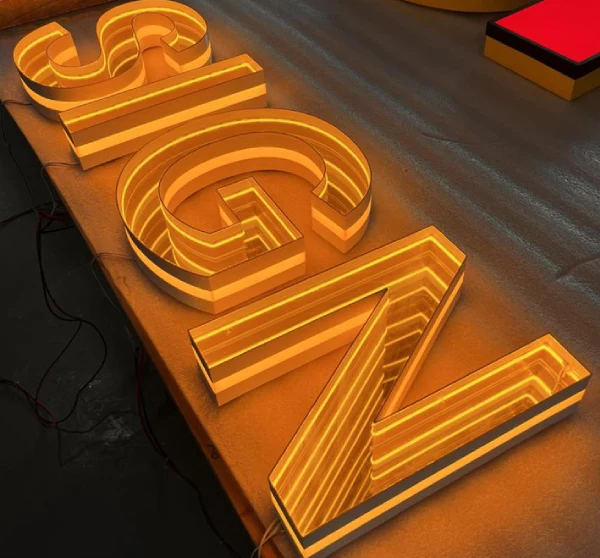
- Compact, versatile, and ideal for Acrylic LED 3D Letters, Aluminum LED Channel Letters, and 2D Stencil Cut Boards.
- Provides even light diffusion for front-lit or backlit designs.
High-Power LEDs:
- Used in large-scale outdoor signage or Flexible LED Displays.
- Offers higher brightness and wider viewing angles.
Neon-style LED Modules:
- Used in Neon LED Signs and Flexible LED Displays.
- Mimics traditional neon glow with lower energy consumption.
LED Dot Matrix Modules:
- Specifically for dynamic signage like LED Dot Matrix Displays.
- Allows scrolling text, numbers, and animations.
2. Understanding Brightness Levels
Brightness is one of the most critical factors for LED sign boards, especially for outdoor visibility and daytime readability. Brightness is measured in nits or lumens:
- Indoor Sign Boards: Typically require 400–800 nits.
- Outdoor Sign Boards: Require 1,500–5,000 nits depending on sunlight exposure.
Brightness Factors to Consider
- Viewing Distance: Larger, more distant signs require higher brightness.
- Ambient Light: Signs in bright sunlight need higher nits for clear visibility.
- Sign Board Type: Acrylic LED 3D Letters and Aluminum Channel Letters require different brightness calibration than Flexible LED Displays or LED Dot Matrix Displays.
- Uniformity: Premium modules ensure even illumination without hotspots or shadows.
3. Power Consumption of LED Sign Boards
Understanding power consumption helps manage operational costs and ensures energy efficiency.
- Acrylic LED 3D Letters: 5–15 watts per letter depending on size and illumination.
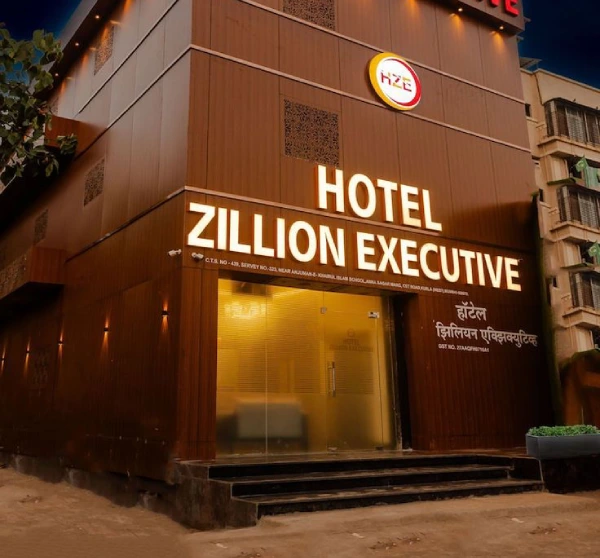
- Aluminum LED Channel Letters: 10–25 watts per letter for backlit configurations.
- 2D Stencil Cut Sign Boards: 5–20 watts, depending on area coverage.
- Metal Letter LED Sign Boards: 10–30 watts per letter, especially for large or high-brightness installations.
- 3D Crystal LED Letters: 12–25 watts per letter with full illumination.
- LED Dot Matrix Displays: 50–150 watts per sq.ft depending on density and brightness.
- Flexible LED Displays: 20–100 watts per sq.ft based on size and LED density.
- Neon LED Signs: 10–40 watts per linear meter depending on module type.
Tip: Using energy-efficient IP65 or IP67-rated modules reduces energy consumption and extends lifespan.
4. Factors Affecting Power Efficiency
Several factors influence the power efficiency of LED sign boards:
- Module Quality: High-quality modules consume less power while delivering brighter illumination.
- Driver Efficiency: Using efficient LED drivers reduces energy loss and protects modules.
- Ambient Temperature: Heat can reduce LED efficiency; proper ventilation or heat sinks improve performance.
- Control Systems: Dimmable or programmable controllers optimize energy usage based on time of day.
5. Matching Brightness & Power to Sign Board Type
Different LED sign board types require tailored brightness and power management strategies:
Acrylic LED 3D Letters:
- Front-lit letters: 5–12 watts per letter
- Backlit halo letters: 8–18 watts per letter
Aluminum LED Channel Letters:
- Front/back-lit: 10–25 watts per letter
- Best for corporate offices and high-end retail facades
2D Stencil Cut Sign Boards:
- Small to medium signs: 5–20 watts per sq.ft
- Ideal for subtle illumination and interior branding
3D Crystal LED Letters:
- Requires higher brightness for reflective effect: 12–25 watts per letter
- Often used in premium receptions and lounges
LED Dot Matrix Displays:
- 50–150 watts per sq.ft, depending on pixel density
- Perfect for dynamic content, scrolling offers, and digital messaging
Flexible LED Displays:
- 20–100 watts per sq.ft
- Suitable for curved surfaces, creative installations, or promotional signage
Neon LED Signs:
- 10–40 watts per linear meter
- Ideal for restaurants, cafés, and boutique retail for ambient glow
6. Installation & Maintenance Considerations
Proper installation affects brightness, efficiency, and lifespan:
- Ensure adequate spacing between LED modules for uniform light distribution.
- Use heat sinks or ventilated channels for high-power outdoor boards.
- Maintain clean surfaces and regularly inspect modules to prevent brightness drop.
- For large displays, balance LED density and power supply to avoid hotspots or flickering.
Regular maintenance and cleaning extend both module life and energy efficiency.
7. Cost Implications of LED Module Selection
High-quality modules and correct brightness calibration may increase upfront cost but reduce operational cost over time:
- Indoor Acrylic Letters: ₹1,800–3,500 per sq.ft
- Outdoor Backlit Channel Letters: ₹4,000–7,500 per sq.ft
- LED Dot Matrix Displays: ₹6,000–12,000 per sq.ft depending on density
- Flexible LED Displays & Neon LED Signs: ₹5,000–10,000 per sq.ft or linear meter
Investing in premium modules ensures consistent brightness, low maintenance, and longer lifespan, delivering better ROI.
8. Final Thoughts
Understanding LED modules, brightness levels, and power consumption is essential to selecting the right sign board for your business. The right combination of material, LED type, and power calibration ensures your signage is:
- Visible in all conditions
- Energy-efficient
- Long-lasting
- Professional and impactful
Whether you are installing Acrylic LED 3D Letters, Aluminum LED Channel Letters, 2D Stencil Cut Boards, Metal Letter LED Sign Boards, 3D Crystal Letters, LED Dot Matrix Displays, Flexible LED Displays, or Neon LED Signs, careful attention to brightness and power consumption maximizes ROI and brand visibility.
For premium, durable, and energy-efficient LED sign boards, explore our full range of custom glow signage solutions designed for retail, restaurants, and corporate offices.