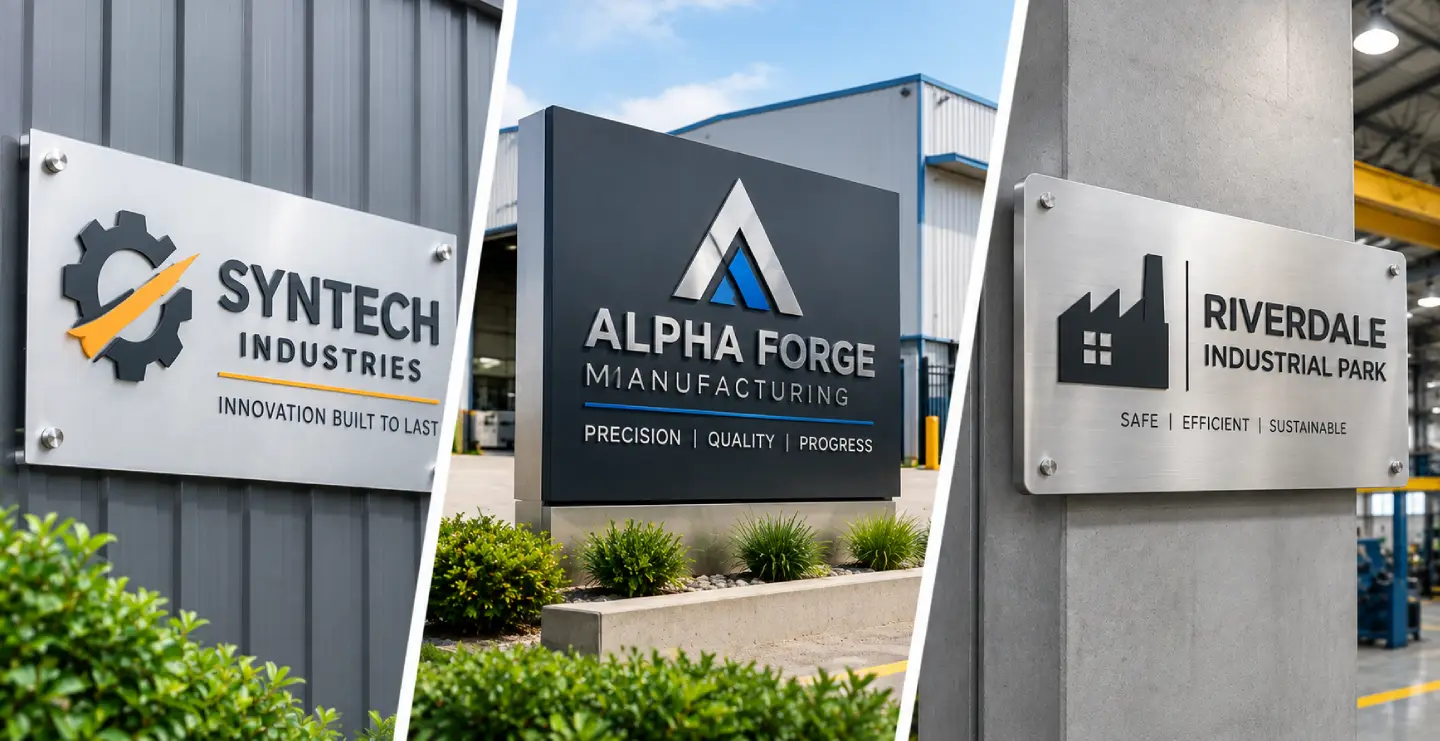
When a customer, supplier or transporter arrives at your factory, the first thing they see is your signboard. An industrial name board is more than a piece of metal with letters. It is the face of your company, and it tells people who you are, what you do and how seriously you take your business.
This guide explains why industrial name boards matter, which materials and designs work best, how to plan the size and placement, and how to keep your board looking good for years.
What Is an Industrial Name Board?
An industrial name board is a large, durable sign installed at the entrance or on the building of a factory, warehouse, workshop, processing unit or industrial estate. It usually shows the company name and logo, and may also include the product type, address, contact details or safety information.
Unlike shop signs, industrial boards must survive harsh conditions such as dust, heavy sun, rain, wind, pollution and vibration from trucks and machines.
Why an Industrial Name Board Is Important
- Easy identification: Drivers, delivery agents and visitors find your unit quickly, saving time and confusion.
- Professional image: A neat, well-made board shows that your business is organised and reliable.
- Brand visibility: Your logo and name stay in front of people every day, including passers-by.
- Trust building: New buyers and investors often judge a company by its premises.
- Compliance: Many industrial areas require clear identification at the gate.
Best Materials for Industrial Name Boards
Stainless Steel
Stainless steel is strong, rust-resistant and easy to maintain. It looks sharp and modern and is one of the best choices for outdoor use, especially in areas with high humidity or coastal air.
Aluminium Composite Panel (ACP)
ACP is lightweight, affordable and available in many colours. It is ideal for large boards and can be printed or fitted with cut-out letters. Good-quality ACP resists weather and keeps its colour for years.
Mild Steel with Powder Coating
Mild steel is very strong and suitable for heavy, large-format boards. Powder coating protects it from rust and gives a smooth, colourful finish.
Acrylic Letters
Acrylic letters mounted on a wall or panel give a clean, premium look. They work well on office frontages and reception areas.
Aluminium Sections and Frames
Aluminium frames are light, rust-free and easy to install. They are often used for flex or vinyl boards that may need updating from time to time.
Types of Industrial Signboards


- Gate name boards: Mounted on or beside the main entrance.
- Building-top boards: Large boards on the roof or top of the facade for long-distance visibility.
- Pylon signs: Tall standing boards along the road, useful for industrial estates.
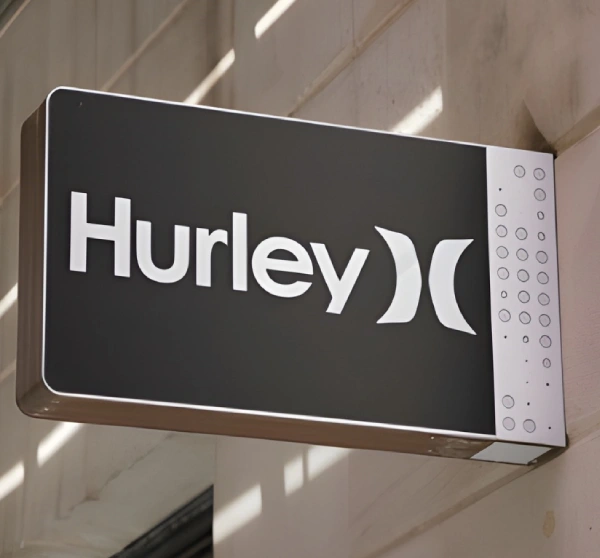
- Wall-mounted letters: Individual 3D letters fixed directly on the factory wall.
- Directional boards: Guide visitors to the office, loading area, parking or security gate.
- Safety and information boards: Show rules, warnings and emergency information.
Design Guidelines for Industrial Boards
A good industrial board is simple, bold and readable from far away. Overcrowding the board with too much information is a common mistake.
- Use large, thick fonts: Thin letters disappear from a distance and in bright sunlight.
- Keep strong contrast: White on blue, black on yellow or white on red are easy to read.
- Use brand colours: Match your logo and company colours for a consistent identity.
- Limit the text: Company name, logo and one short line are usually enough.
- Leave empty space: Breathing room around the text makes it look cleaner and more professional.
Choosing the Right Size and Placement
The size of your board depends on the distance from which people will read it. As a simple rule, the farther the viewer, the larger the letters should be. Stand at the main road or gate approach and check how far the board must be visible.
Place the board where it has a clear line of sight, without trees, poles or vehicles blocking it. For a gate board, mount it at a height that trucks and containers do not block. For a roof board, make sure the structure can carry the weight and wind load.
Adding Lighting for Night Visibility
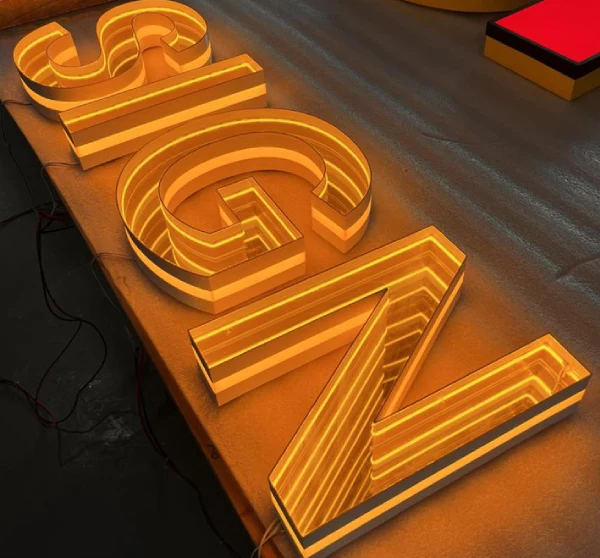
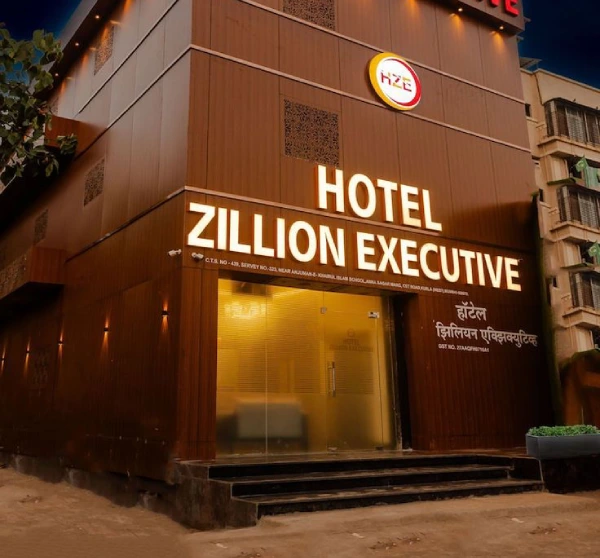
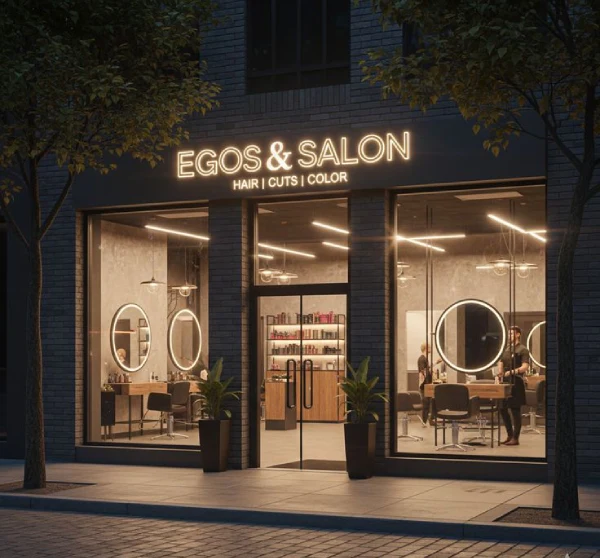
Many factories operate in shifts, and deliveries often arrive at night. Adding lighting to your name board improves visibility and safety. Common options include LED backlit letters, front-lit flood lights and LED strip lighting. Use waterproof, dust-proof fittings and proper wiring to avoid short circuits or damage.
Installation Best Practices
Industrial areas often face strong winds and heavy vibration, so a board must be installed securely. Use a strong steel frame, proper anchor bolts and corrosion-resistant fasteners. For large boards, it is wise to get a structural check from an engineer. Always keep the electrical work in the hands of a qualified technician.
Maintenance Tips
- Clean the board regularly to remove dust, oil and bird droppings.
- Inspect frames and bolts every few months for rust or looseness.
- Touch up paint or coating where scratches appear.
- Replace faded flex or vinyl before it looks worn out.
- Check lighting units and wiring, especially after heavy rain.
How to Choose the Right Signage Maker
Look for a maker who has experience with large industrial projects. Ask to see earlier work, discuss material grades and warranty, and request a design proof before production. A good maker will also help with measurements, installation and permissions where needed.
Final Thoughts
A well-made industrial name board is a one-time investment that works for your brand every single day. By choosing durable materials, a clear design and proper installation, you create a strong first impression that builds trust with customers, partners and visitors. Keep it simple, keep it strong, and let your factory stand out.