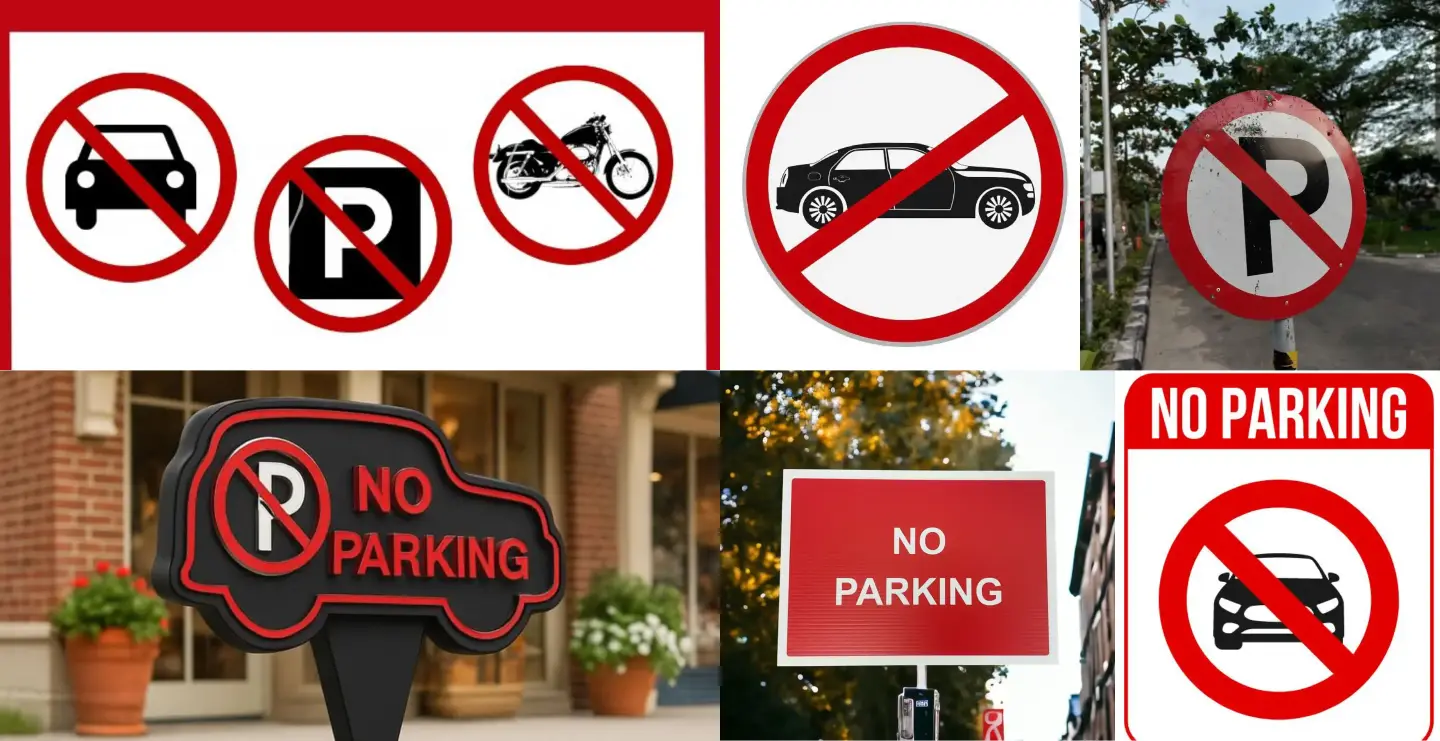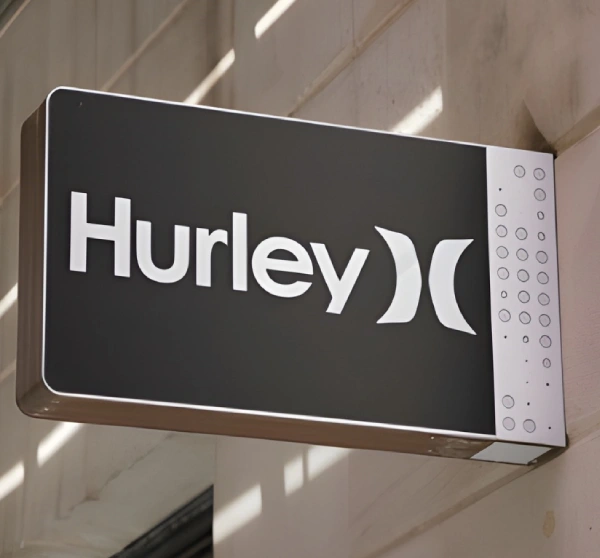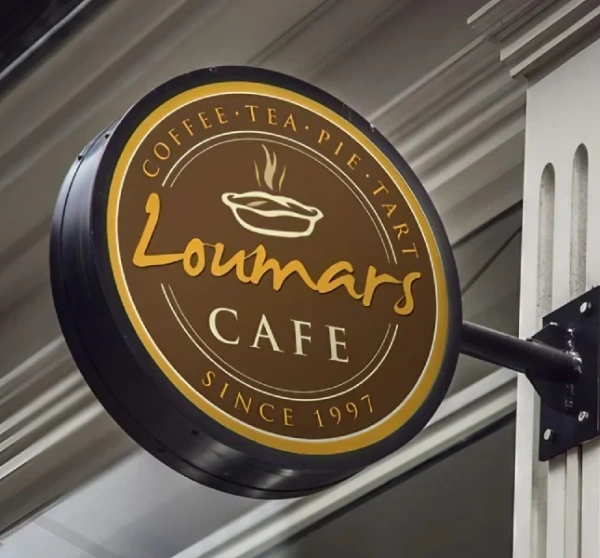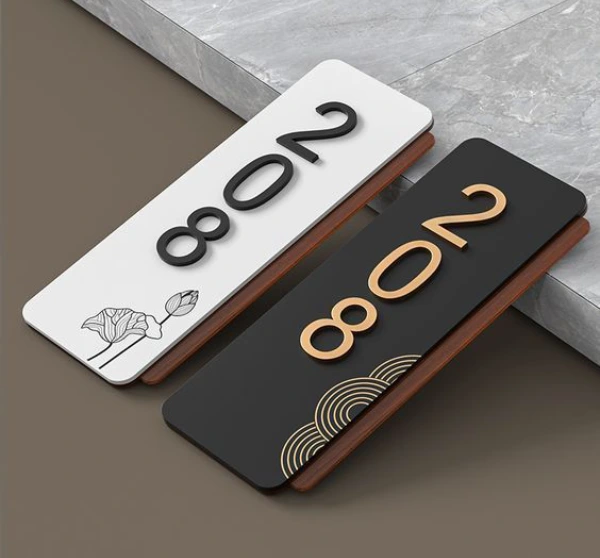
A hospital sign board is more than just an identification panel. It is a critical communication tool that guides patients, reassures visitors, and reflects the professionalism of your healthcare facility. In medical environments, clear and well-planned signage can reduce confusion, improve patient experience, and even support emergency response efficiency.
In this detailed guide, we explore the latest hospital sign board design trends for 2026, including materials, typography, lighting, safety compliance considerations, and design concepts suitable for multi-specialty hospitals, clinics, diagnostic centers, and healthcare institutions.
1. Why Hospital Sign Board Design Matters
Hospital signage plays a much larger role compared to retail signboards. In healthcare spaces, signage must:
- Guide patients quickly and accurately
- Reduce stress and confusion
- Ensure safety and compliance
- Improve accessibility for elderly and disabled visitors
- Strengthen institutional branding
Unlike commercial signage that focuses heavily on attraction, hospital sign board design must prioritize clarity, readability, and functionality.
Poorly designed signage can lead to delays, frustration, and operational inefficiencies. Well-designed hospital sign boards improve wayfinding and create a calm, professional atmosphere.
2. Key Elements of Effective Hospital Sign Board Design
a. Clear and Readable Typography
Typography is the most important element in healthcare signage.
Best practices include:
- Simple sans-serif fonts
- Large font sizes for distance readability
- High contrast between text and background
- Avoid decorative or script fonts
Medical environments demand clarity over creativity. Patients should be able to read signs quickly—even under stress.
b. Color Psychology in Healthcare Signage
Colors influence perception and emotion. Hospitals typically use calm and reassuring shades.
Popular color combinations:
- Blue & White - Trust and professionalism
- Green & White - Healing and calmness
- White & Grey - Clean and minimal
- Red - Emergency and critical care zones
Consistency in color coding across departments helps visitors navigate easily.
Choose Color Palette to Match Your Brand Identity
Get Quote →c. International Symbols and Icons
Modern hospital sign board design incorporates universally recognized icons for:
- Emergency
- Pharmacy
- ICU
- Radiology
- Restrooms
- Elevators
- Wheelchair access
Icons improve communication, especially in multi-lingual regions and for international patients.


3. Types of Hospital Sign Boards
Different hospital areas require different types of signage.
a. Exterior Hospital Name Boards
This is the primary identification sign placed at the building entrance.
Features often include:
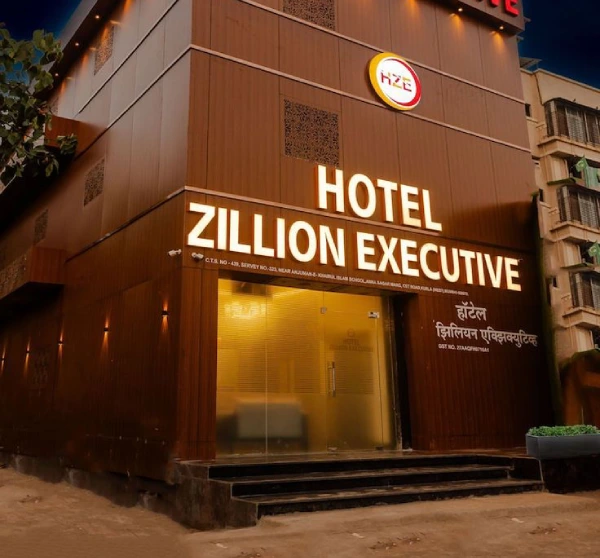
- Illuminated channel letters
- LED backlit panels
- Large logo display
- Weather-resistant materials
- Emergency symbol integration
Exterior boards should be visible from a long distance and easy to identify at night.
b. Directional & Wayfinding Sign Boards
Directional signage helps visitors locate:
- OPD
- Emergency ward
- ICU
- Laboratories
- Operation theaters
- Billing counters

Clear arrows, department color coding, and floor numbers improve navigation efficiency.
c. Department Sign Boards
Each department requires identification signage outside rooms and corridors.
Examples include:
- Cardiology
- Pediatrics
- Orthopedics
- Oncology
- Maternity ward

These boards should maintain consistent typography and branding across the hospital.
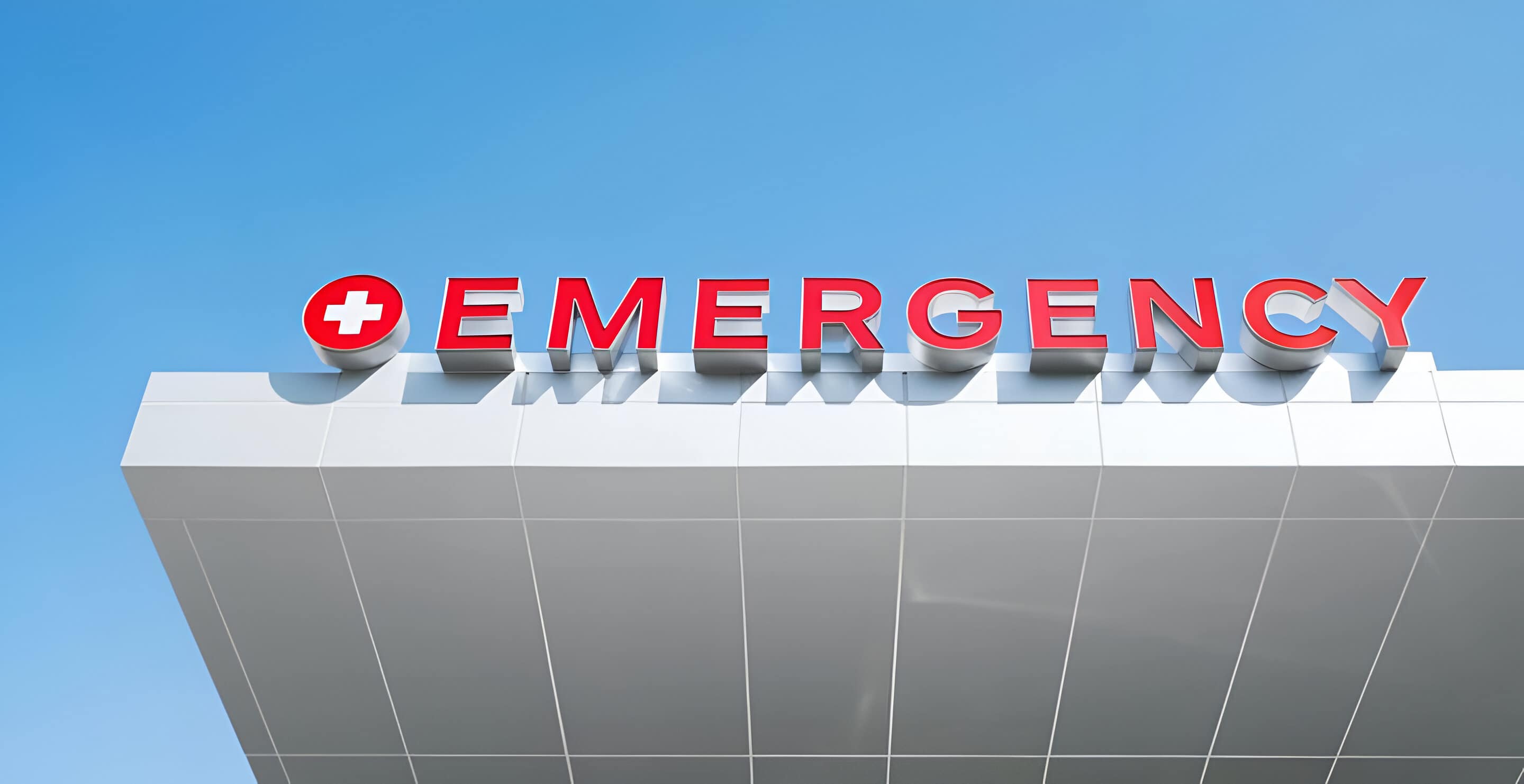
d. Emergency Sign Boards
Emergency signs require high visibility and compliance with safety standards.
They typically feature:
- Bright red or green backgrounds
- Illuminated LED panels
- Glow-in-the-dark materials
- Reflective surfaces

Emergency exit signage must remain visible even during power outages.
e. Informational & Regulatory Sign Boards
Hospitals require informational boards such as:
- Visiting hours
- No smoking signs
- Silence zone signs
- Hand hygiene reminders
- Restricted access notices
These signs ensure operational discipline and patient safety.
4. Popular Materials for Hospital Sign Boards
Material selection impacts durability, hygiene, and appearance.
a. Acrylic Sign Boards
- Smooth and easy to clean
- Professional glossy finish
- Suitable for indoor departments
- Compatible with LED lighting
Acrylic boards are widely used in modern healthcare interiors.
b. ACP (Aluminum Composite Panel)
- Durable and weather-resistant
- Suitable for exterior hospital boards
- Customizable in various colors
- Cost-effective option
ACP boards are common for main hospital identification signage.
c. Stainless Steel & Metal Letters
- Premium and long-lasting
- Ideal for multi-specialty hospitals
- Strong brand identity appeal
Metal letters are often used for corporate hospital chains.
d. Vinyl & Frosted Glass Signage
- Used for cabins and office rooms
- Provides privacy while displaying information
- Easy to update
Frosted vinyl signage is common in consultation rooms.
5. Hospital Sign Board Design Trends for 2026
Healthcare design continues to evolve. Here are the top trends dominating 2026:
a. Minimalistic Layouts
- Clean typography
- Ample white space
- Simple department labeling
- Neutral backgrounds
Minimalism enhances clarity and reduces visual clutter.
b. Backlit LED Sign Boards
LED backlit letters improve visibility at night and during low-light conditions.
Benefits include:
- Energy efficiency
- Long lifespan
- Professional glow effect
- Better readability
Hospitals operating 24/7 benefit significantly from illuminated signage.
c. Braille & Accessibility Features
Accessibility is becoming a standard requirement.
Modern hospital sign board design includes:
- Braille text
- Tactile letters
- ADA-compliant height placement
- Wheelchair-friendly positioning
Inclusive signage improves patient experience and legal compliance.
d. Digital Information Boards
Digital signages are increasingly used to display:
- Token numbers
- Doctor availability
- Appointment status
- Health awareness messages
They are ideal for reception areas and waiting halls.
e. Color-Coded Zoning
Large hospitals now use color-based navigation systems.
- Blue zone - Diagnostics
- Green zone - General wards
- Red zone - Emergency
- Yellow zone - Administration
Color coding reduces confusion in multi-floor facilities.
Get Hospital Sign Board Designs
Get Quote →6. Hospital Sign Board Ideas Based on Facility Type
a. Multi-Specialty Hospitals
- Large illuminated exterior board
- Departmental color coding
- Digital queue display systems
- Premium metal letters
b. Small Clinics
- Simple acrylic name board
- LED front-lit letters
- Clean and minimal design
- Clear specialty mention
c. Diagnostic Centers
- Bright and readable fonts
- High contrast colors
- Lab service highlights
- Illuminated signage for night visibility
d. Pediatric Hospitals
- Soft pastel colors
- Friendly iconography
- Child-friendly visual elements
- Clear direction signs
e. Corporate Healthcare Chains
- Branded color palette
- Metal or halo-lit letters
- Uniform signage across branches
- Professional minimalist style
7. Tips to Make Your Hospital Sign Board Effective
- Prioritize readability over decoration
- Use high-contrast color combinations
- Ensure proper illumination for 24/7 visibility
- Include universal medical symbols
- Maintain consistency across all departments
- Use durable, easy-to-clean materials
- Follow local safety and accessibility regulations
- Place signs at eye level for easy visibility
These practical steps can significantly improve patient navigation and satisfaction.
8. Why Professional Hospital Sign Board Design Matters
Hospital signage is not just about appearance- it impacts operations, safety, and patient experience.
Professional design ensures:
- Compliance with healthcare standards
- Correct placement and sizing
- Durable installation
- Proper lighting integration
- Consistent brand identity
Well-designed signage reduces confusion, supports staff efficiency, and strengthens trust among patients.
Conclusion
A hospital sign board design must balance functionality, clarity, durability, and branding. In healthcare environments, signage is a silent guide that directs patients, ensures safety, and reflects professionalism.
Design trends in 2026 focus on minimalism, LED illumination, accessibility features, digital integration, and color-coded navigation systems. Whether you manage a small clinic, diagnostic center, or large multi-specialty hospital, investing in well-planned hospital signage improves patient experience and operational efficiency.
If you are planning to upgrade your hospital signage system, choosing expert design and quality materials will ensure long-term reliability and a strong professional presence.