Hospital name board design plays a major role in building patient trust, ensuring safety, and creating a professional first impression. From typography and lighting to materials and regulatory compliance, every signage element influences how people perceive your healthcare facility. In 2026, hospital signage trends focus on minimalism, LED illumination, accessibility compliance, color-coded wayfinding, and digital integration that improves navigation and patient experience.
The healthcare industry depends heavily on clarity, trust, and operational efficiency. Before patients experience your medical care, they notice your hospital sign board. Whether you operate a multi-specialty hospital, diagnostic center, private clinic, pediatric facility, or corporate healthcare chain, your signage should communicate professionalism, safety, and compassion clearly.
Modern hospital name board designs now focus on combining aesthetics with functionality to create signage that guides patients effectively both during the day and at night.
Why Hospital Sign Boards Matter for Branding and Safety
A hospital sign board is far more than just a display of your institution's name. It helps communicate your brand identity, medical specialization and services, safety protocols and emergency directions, professionalism and institutional trust, and visual clarity in high-stress environments. A professionally designed hospital name board increases visibility, improves patient navigation, reduces anxiety, and strengthens community trust.
Unlike commercial signage that focuses primarily on attraction, hospital sign board design must prioritize clarity, readability, functionality, and compliance with healthcare standards such as NABH, ADA, and local building codes. Poorly designed signage can lead to delays, confusion, and operational inefficiencies- especially during emergencies.
Core Elements of Hospital Name Board Design
Clear and Professional Typography
Typography defines the accessibility and trustworthiness of your hospital brand. Sans-serif fonts work best for modern hospitals and diagnostic centers due to their clean readability. Bold fonts improve visibility from a distance for exterior name boards. Serif fonts convey tradition and authority, suitable for established medical institutions. Uppercase letters are recommended for main entry signs, while a mix of upper and lower case improves readability for directional signage. The typography must remain highly legible even for elderly patients and those under stress.
Color Themes That Influence Patient Perception
Colors create emotional connections and impact patient decisions in healthcare environments. Blue and white convey trust, professionalism, and calmness- ideal for general hospitals. Green and white represent healing, wellness, and nature, commonly used in wellness centers and general wards. White and grey deliver a clean, minimal, and modern aesthetic. Red is reserved strictly for emergency and critical care zones. Deep blue with silver or metallic letters creates a premium corporate hospital feel. Choosing colors that align with your hospital's branding while maintaining high contrast ensures better visibility and psychological comfort.
Lighting Ideas for Hospital Sign Boards
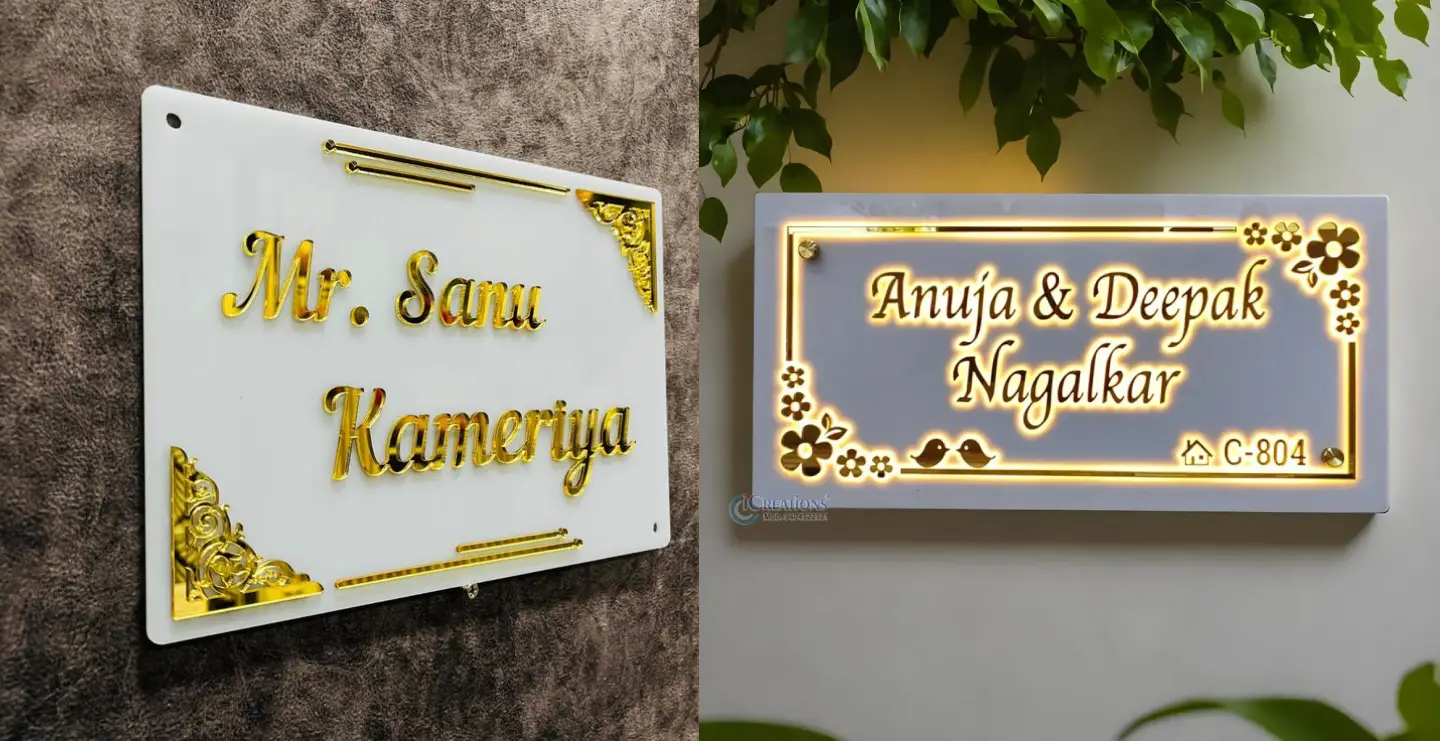
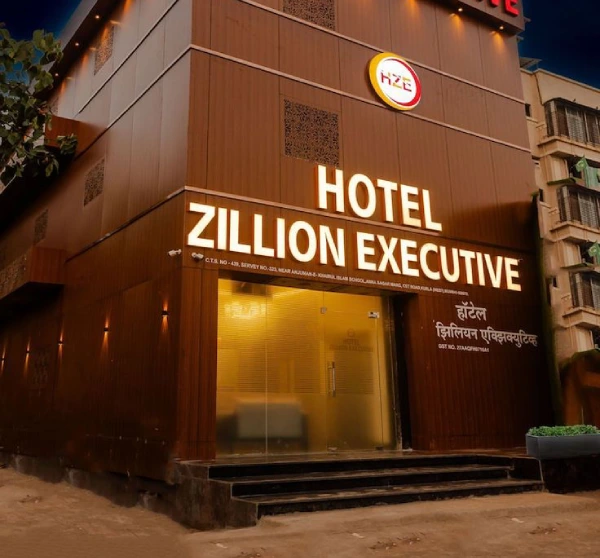
Lighting enhances visibility and gives hospital signage a professional appearance during evenings and nighttime. Popular hospital lighting options include backlit LED channel letters for a clean institutional glow, front-lit acrylic letters for strong readability, halo-lit metallic signage for premium multi-specialty hospitals, warm white LED illumination for welcoming entry areas, and glow-in-the-dark or reflective materials for emergency exit signage. Proper illumination is critical for 24/7 healthcare facilities, ensuring patients and emergency responders can locate your facility at any hour.
Trending Hospital Sign Board Designs for 2026


Best Materials for Hospital Name Board Design
Acrylic Hospital Sign Boards
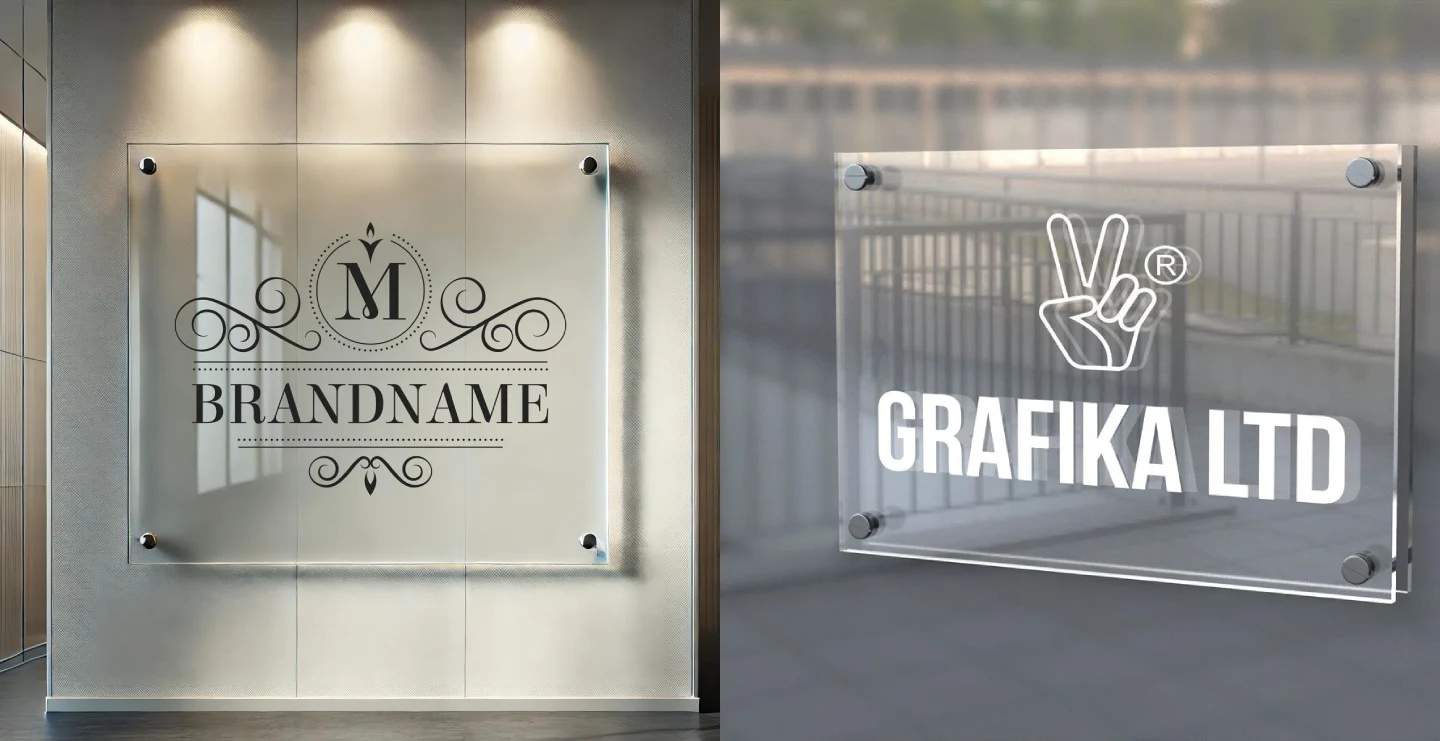
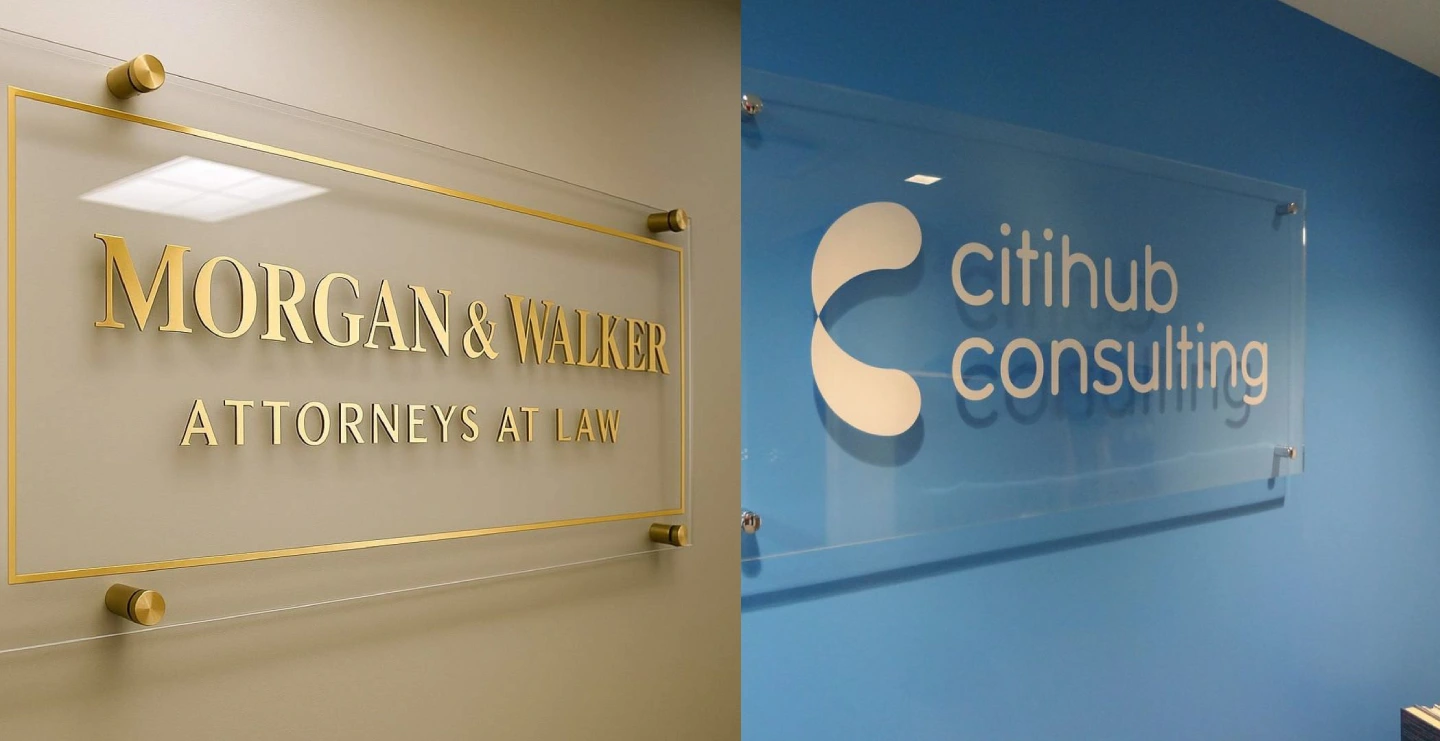
Acrylic signage offer a smooth, easy-to-clean surface with a professional glossy finish. They are ideal for indoor departments, illuminated signs, and environments where hygiene is paramount. Acrylic boards are widely used in modern healthcare interiors due to their durability and compatibility with LED lighting.
Metal Letter Signage
Metal letter signage- available in stainless steel, brushed aluminum, and premium finishes- projects authority and long-lasting quality. It is perfect for corporate hospital chains, multi-specialty institutions, and main exterior name boards that need to withstand weather conditions while maintaining a high-end appearance.
ACP Sign Boards
(Aluminum Composite Panel) ACP sign boards are a durable, weather-resistant, and cost-effective option ideal for exterior hospital branding. They are commonly used for large main identification signage and can be customized in various colors to match institutional branding.
Frosted Glass and Vinyl Signage
Frosted glass and vinyl signage provide privacy while displaying essential information. These are commonly used for consultation rooms, cabins, and office spaces within hospitals. They are easy to update and maintain, making them practical for dynamic healthcare environments.
Hospital Name Board Design Samples Based on Facility Type
Multi-Specialty Hospital
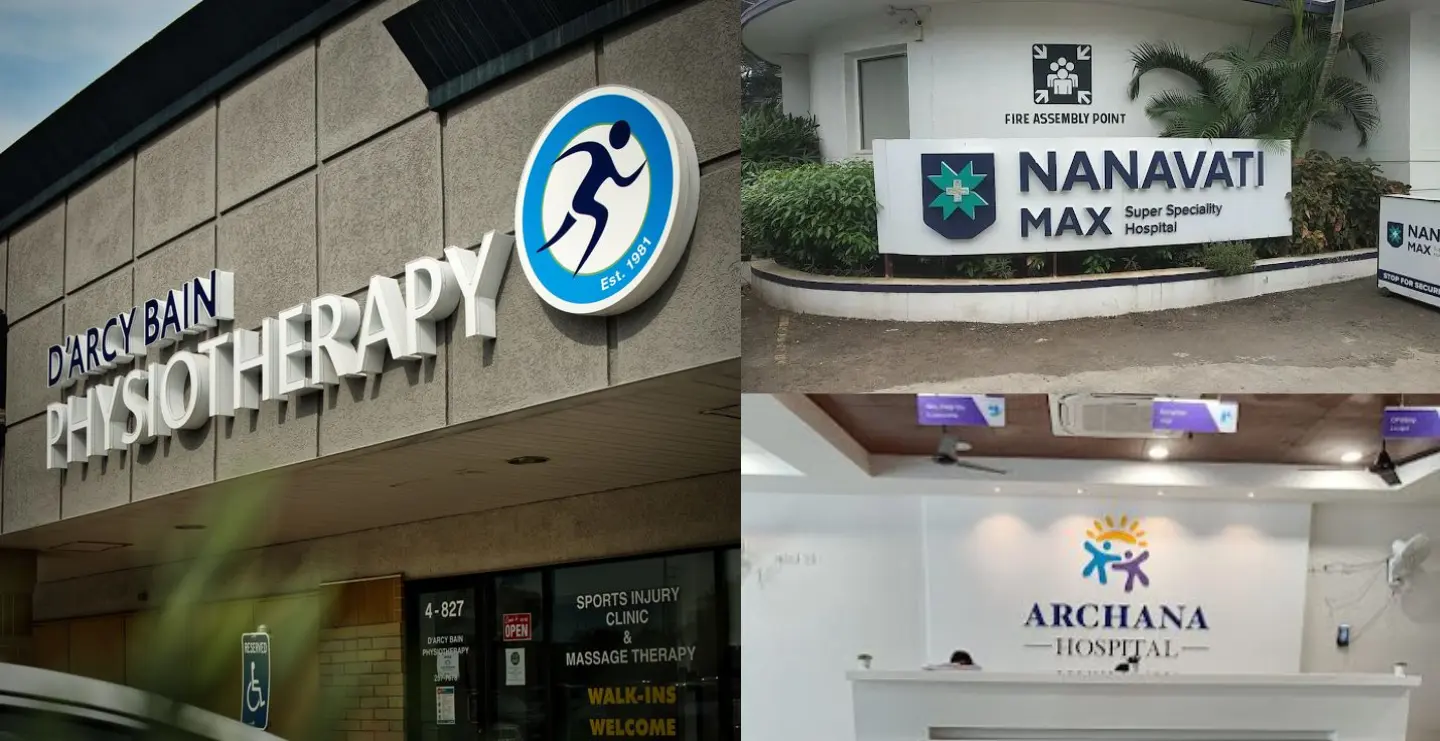
Multi-specialty hospital signage typically features large illuminated exterior boards with 3D metallic letters, departmental color coding for intuitive navigation, digital queue display systems in waiting areas, and consistent branding across all branches. The design must balance institutional authority with patient-friendly accessibility.
Private Clinic
Doctor name board design works best with a clean acrylic name board, LED front-lit letters, minimal design with clear specialty mention, and professional yet approachable aesthetics. Including the doctor's qualifications and consultation hours adds transparency and trust.
Diagnostic Center
Diagnostic center signage requires bright, highly readable fonts, high-contrast colors for visibility, clear service highlights (e.g., MRI, CT Scan, Pathology), and illuminated signage for night visibility since many patients visit early morning or late evening.
Pediatric Hospital
Pediatric hospital signage suits soft pastel colors, friendly iconography, child-friendly visual elements, and clear directional signs that reduce anxiety for young patients and their families. The tone should be welcoming and calming rather than clinical and intimidating.
Corporate Healthcare Chain
Corporate healthcare chain signage demands a branded color palette, uniform signage across all branches, metal or halo-lit letters for premium positioning, and a professional minimalist style that reinforces brand recognition and trust.
Trending Hospital Name Board Design Styles in 2026
Minimalistic Layouts
Clean typography, ample white space, simple department labeling, and neutral backgrounds continue to dominate modern hospital branding. Minimalism enhances clarity, reduces visual clutter, and helps patients focus on essential information during stressful situations.
Backlit LED Sign Boards
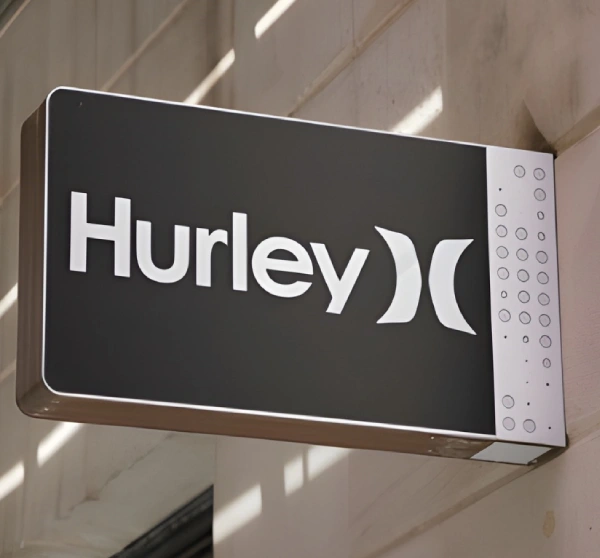
LED backlit letters improve visibility at night and during low-light conditions. Benefits include energy efficiency, long lifespan, professional glow effect, and better readability. Hospitals operating 24/7 benefit significantly from illuminated signage at main entrances and emergency units.
Braille and Accessibility Features
Accessibility is becoming a standard requirement rather than an option. Modern hospital sign board design includes Braille text, tactile letters, ADA-compliant height placement (typically 48–60 inches from floor to sign center), and wheelchair-friendly positioning. Inclusive signage improves patient experience and ensures legal compliance.
Digital Information Boards
Digital signages are increasingly used to display token numbers, doctor availability, appointment status, and health awareness messages. They are ideal for reception areas, waiting halls, and emergency departments where real-time updates are critical.
Color-Coded Zoning Systems
Large hospitals now use color-based navigation systems to reduce confusion in multi-floor facilities. For example: Blue zone for Diagnostics, Green zone for General Wards, Red zone for Emergency, and Yellow zone for Administration. This visual coding helps patients and visitors navigate intuitively without relying solely on text.
Expert Tips for Hospital Sign Board Planning
- Keep the hospital name large and visible from a distance.
- Use balanced lighting without excessive brightness that causes glare.
- Maintain proper spacing between letters and lines for readability.
- Match the signage style with your hospital's interior design and brand identity.
- Invest in durable, easy-to-clean materials suitable for healthcare environments.
- Avoid cluttering the board with excessive medical jargon or unnecessary details.
- Include universally recognized medical symbols and pictograms for multilingual accessibility.
- Ensure all signage complies with local healthcare accreditation standards (NABH, JCI, ADA).
- Place signs at decision points: entrances, intersections, elevator banks, and waiting areas.
- Conduct regular audits to update signage after renovations or department changes.
A refined and clean hospital sign board creates stronger visual impact and operational efficiency than overcrowded or outdated designs.
Common Hospital Signage Mistakes to Avoid
Poor Font Readability
Decorative or overly stylized fonts may look modern but can reduce visibility from a distance, making it harder for elderly patients or those in distress to read critical information quickly. Always prioritize clarity over creativity in healthcare environments.
Excessive Information
Too much text makes signage visually confusing and dilutes the impact of essential directions. Hospital signs should convey one primary message per board, using a series of simple signs to guide step-by-step rather than overwhelming visitors with dense paragraphs.
Weak Lighting Placement
Improper lighting can reduce nighttime visibility and compromise safety, especially for emergency exits and main entrance identification. Hospitals must ensure illuminated signage remains functional during power outages using backup power systems.
Low-Quality Materials
Cheap materials fade, crack, or become unhygienic quickly, negatively affecting hospital branding and requiring frequent replacements. Healthcare signage must withstand daily cleaning, UV exposure, and physical wear without degrading.
Inconsistent Branding
Using colors, fonts, or styles unrelated to the hospital's interior design weakens brand identity and creates a disjointed experience for patients. Consistency across all departments and branches builds familiarity and trust.
Ignoring Accessibility Standards
Failure to include Braille, tactile elements, high-contrast colors, or multilingual text excludes vulnerable patient populations and may violate accreditation requirements. Accessibility must be integrated from the design phase, not added as an afterthought.
What Modern Patients Look for in Hospital Signage
Today's patients and visitors are drawn toward hospital signage that feels professional yet approachable, clean and uncluttered, warm and calming, easy to navigate under stress, and visually consistent across all touchpoints. Hospitals increasingly use digital signage and interactive wayfinding kiosks as part of their patient experience strategy, complementing traditional physical signage with technology that provides real-time updates and multilingual support.
Final Thoughts
A professionally designed hospital name board helps healthcare facilities create a powerful first impression, ensure patient safety, and strengthen long-term brand visibility. In 2026, hospital name board design samples focus on minimal clarity, warm and functional lighting, durable materials, accessibility compliance, digital integration, and color-coded navigation systems that reflect professionalism and compassionate care.
Whether you manage a small clinic, diagnostic center, pediatric hospital, or large multi-specialty institution, investing in premium hospital signage can significantly improve patient navigation, reduce operational stress, enhance safety compliance, and elevate your overall institutional image.