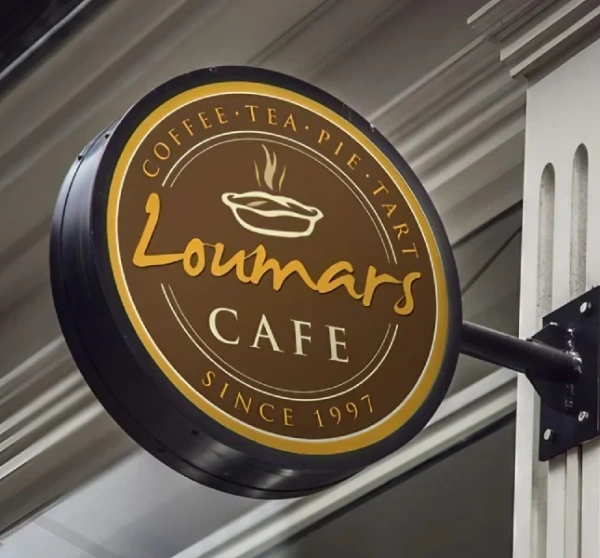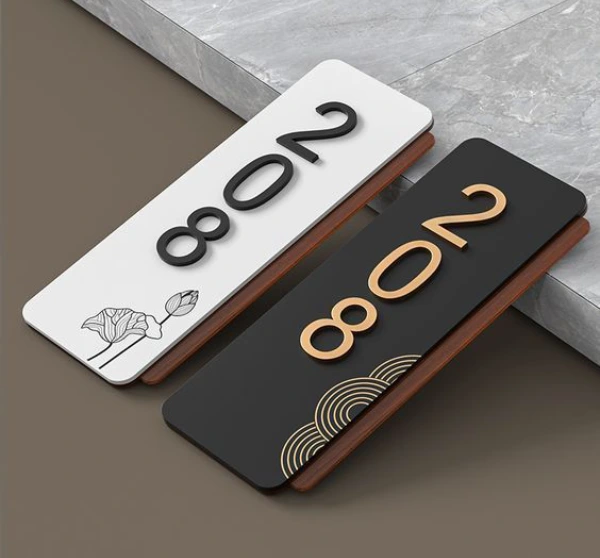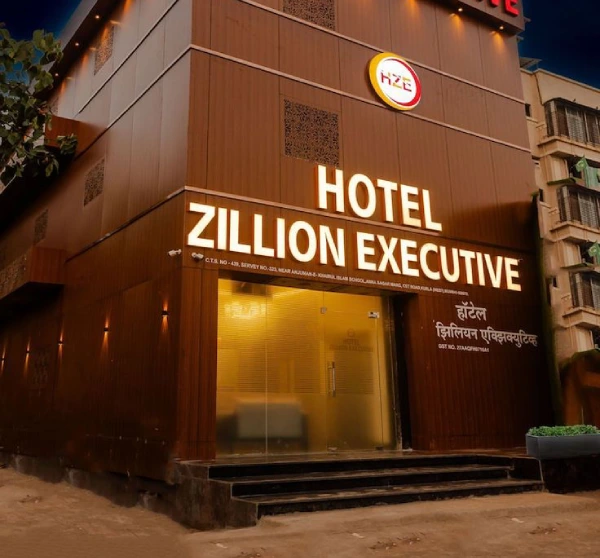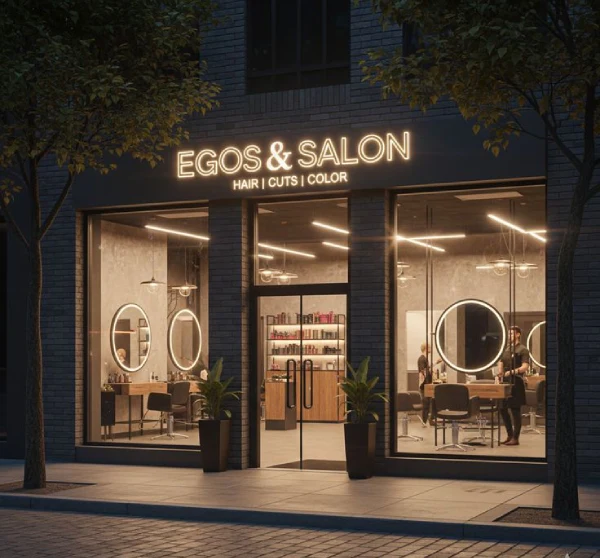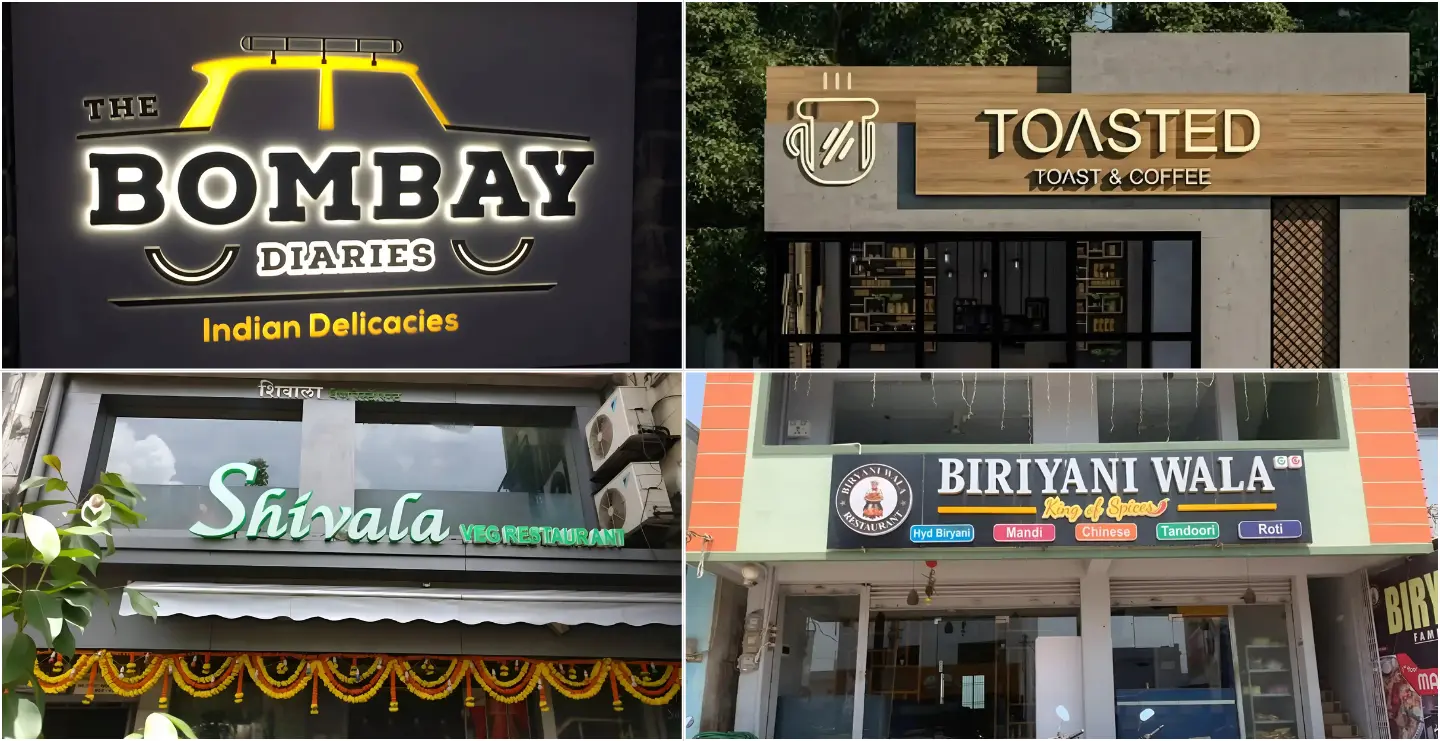
In the highly competitive food and hospitality industry, your restaurant name board design is much more than simple signage- it is the very first interaction customers have with your brand. Long before they explore your menu or taste your food, people form opinions based on how your restaurant looks from the outside.
A well-designed restaurant sign board can attract attention, communicate your cuisine instantly, and influence walk-in decisions within seconds. In 2026, with rising competition and visually driven customer behaviour, restaurant name boards are no longer optional branding elements, they are essential business assets.
This detailed guide explains everything you need to know about restaurant name board design, including latest trends, typography choices, lighting techniques, material selection, and practical considerations to help your signage perform better and truly stand out.
Why Restaurant Name Board Design Matters More Than Ever
Your restaurant name board acts as a 24/7 silent salesperson. It represents your brand even when your doors are closed and plays a critical role in shaping customer perception.
Key reasons restaurant name boards are important:
- Creates a strong and lasting first impression
- Helps customers immediately recognize your cuisine type
- Builds trust, professionalism, and perceived food quality
- Increases foot traffic in crowded commercial locations
- Encourages social media sharing and brand visibility
In high-density food streets, malls, and urban markets, restaurants with clear, visually appealing signage consistently capture attention before others.
Restaurant Name Board Design Trends for 2026
Design trends in 2026 focus on clarity, emotional connection, and digital adaptability. Restaurants that follow these trends tend to enjoy better visibility and brand recall.
Minimalist Modern Signage
Minimalist signage emphasizes simplicity and sophistication.
- Clean typography and uncluttered layouts
- Neutral or monochrome color palettes
- Effective use of negative space
- Popular among fusion restaurants, cafés, and contemporary dining brands
Vintage & Retro Name Boards
Retro designs evoke nostalgia and authenticity.
- Classic fonts and muted tones
- Old-school diner or heritage-inspired aesthetics
- Common in bakeries, pizzerias, and traditional eateries
Hand-Lettered & Artistic Designs
Custom lettering adds individuality.
- Unique typography and illustrated elements
- Creates a handcrafted, personalized identity
- Works well for independent cafés and artisanal restaurants
Cultural & Ethnic Identity Signage
Signage reflecting cultural roots builds authenticity.
- Traditional symbols, scripts, and motifs
- Clear visual connection to cuisine origin
- Frequently used by Indian, Arabic, Japanese, and Chinese restaurants
Digital & Interactive Restaurant Signs
Technology-driven signage is growing rapidly.
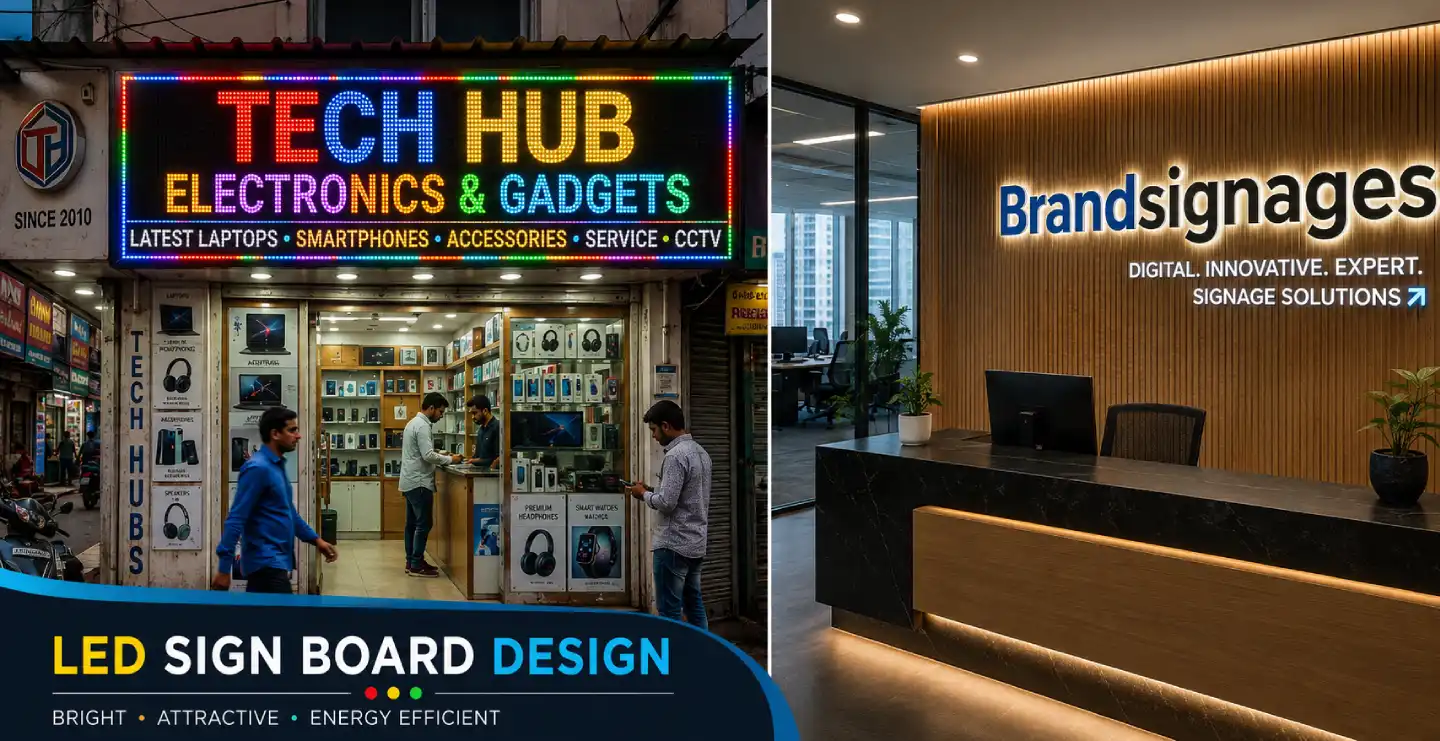
- Digital displays and animated LED name boards for shop
- QR code integration for menus and promotions
- Flexible content updates for offers and events
Typography & Color Psychology in Restaurant Signage
Typography and color choices directly influence how customers emotionally respond to your restaurant before entering.
Font Selection Guidelines
- Serif fonts: Ideal for fine dining and luxury restaurants
- Sans-serif fonts: Suitable for modern and fast-casual outlets
- Script fonts: Best for cafés, bakeries, and boutique dining concepts
- Fonts must remain readable from a distance and in low-light conditions


Color Psychology for Restaurants
- Red: Stimulates appetite and urgency
- Orange: Friendly, energetic, and inviting
- Yellow: Warmth, happiness, and optimism
- Green: Freshness, health, and sustainability
- Black & gold: Premium quality and exclusivity
Choosing colors that align with your cuisine and audience improves brand consistency and recall.
Best Material Choices for Restaurant Name Boards
Choosing the right material impacts visibility, durability, maintenance, and brand perception. Different materials suit different restaurant styles, locations, and budgets.
Acrylic Restaurant Name Boards
- Clean, modern, glass-like appearance
- Lightweight and easy to install
- Suitable for indoor and outdoor use
- Works well with backlit and edge-lit LED designs
- Low maintenance and weather resistant
Acrylic is ideal for: Cafés, fast-casual restaurants, cloud kitchens, modern eateries
Metal Restaurant Sign Boards
- Strong, premium, and long-lasting
- Available in stainless steel, brass, aluminum, and copper
- Performs well in harsh outdoor conditions
- Adds a luxury or heritage feel to storefronts
- Requires minimal structural maintenance
Metal signage is ideal for: Fine dining restaurants, luxury hotels, legacy brands
Wooden Restaurant Name Boards
- Warm, natural, and inviting look
- Creates an emotional and handcrafted feel
- Complements traditional and organic themes
- Best paired with warm lighting or spotlights
- Requires protective coating for outdoor use
Wooden signages are ideal for: Cafés, bakeries, organic and ethnic restaurants
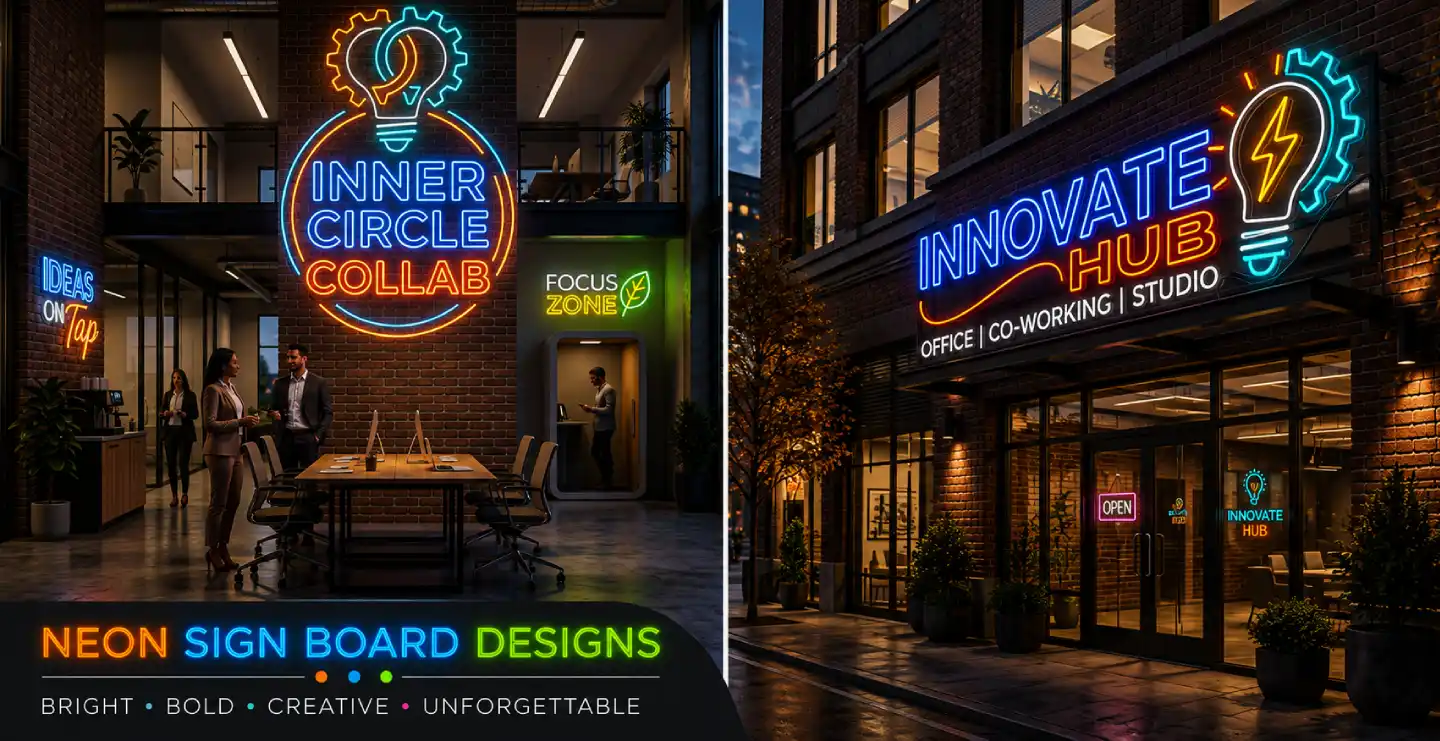
LED & Neon Restaurant Signs
- High visibility during evening and night hours
- Energy-efficient LED name board with long operational life
- Allows creative shapes, colors, and icons
- Highly Instagram-friendly and eye-catching
- Low ongoing maintenance
LED sign boards are ideal for: Dessert shops, bars, pubs, youth-focused restaurants
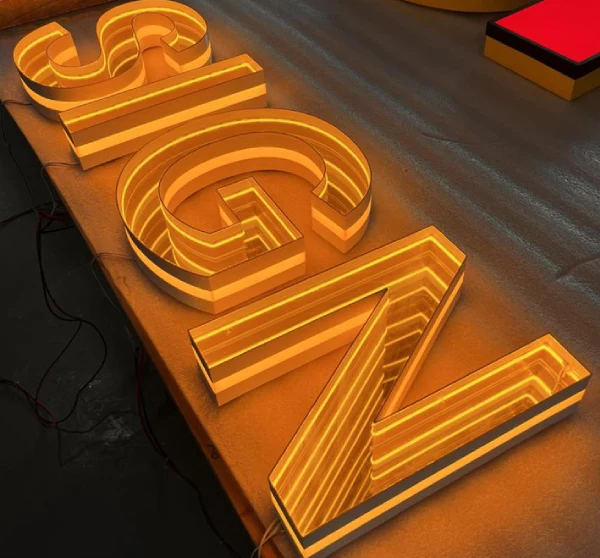
3D Letter Restaurant Name Boards
- Adds depth and premium visual appeal
- Creates shadow and dimensional effects
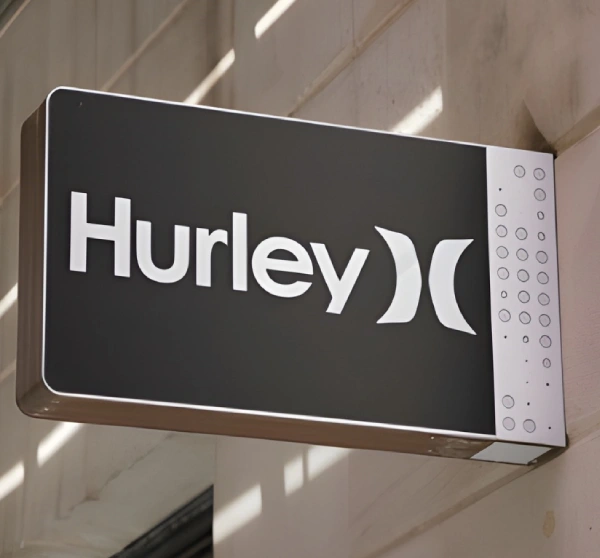
- Can be front-lit, back-lit, or non-illuminated
- Works on both small and large facades
- Enhances architectural presence
3D letter boards are ideal for: Standalone restaurants, upscale dining spaces, branded chains
Restaurant Name Boards Based on Restaurant Type
This section directly improves search intent match and keeps users engaged longer.
a. Fine Dining Restaurants
- Metallic or brushed finish letters
- Serif or elegant minimalist fonts
- Black, charcoal, or deep navy backgrounds
- Soft halo or warm backlighting
b. Cafés & Coffee Shops
- Wooden or acrylic name boards
- Script or handwritten-style fonts
- Earthy, pastel, or neutral color palettes
- Warm LED or filament-style lighting
c. Fast Food & Quick Service Restaurants
- Bold, high-contrast colors
- Sans-serif or block fonts
- Bright front-lit LED letters
- Clear visibility from long distance
d. Dessert Shops & Ice Cream Parlours
- Neon or LED glow signage
- Playful fonts and icons
- Bright, cheerful colors
- Accent lighting for photo appeal
e. Ethnic & Traditional Restaurants
- Cultural symbols or motifs
- Gold, maroon, green, or earthy tones
- Combination of wood and metal materials
- Warm lighting to enhance authenticity
f. Bars & Nightlife Restaurants
- Neon signs or illuminated 3D letters
- Dark backgrounds with bold contrasts
- Creative typography and icons
- Dynamic or color-changing lighting
g. Family Restaurants
- Neutral or warm color schemes
- Large, easy-to-read fonts
- Balanced lighting (not too bright)
- Simple, clutter-free layout
Ask for expert designed restaurant name boards
Get Quote →Lighting Techniques That Enhance Restaurant Name Boards
Lighting significantly impacts visibility and visual appeal, especially during evening hours.
Common lighting methods include:
- Backlit signs: Soft glow with a premium finish
- Front-lit channel letters: Bright and highly visible
- Halo-lit letters: Elegant outline lighting effect
- Spotlights: Highlight textures and materials
- Color-changing LEDs: Flexible for seasonal themes and promotions
Effective lighting ensures your signage remains readable and attractive at all times.
How to Choose the Right Restaurant Name Board Material
When selecting materials, consider:
- Location and viewing distance
- Indoor or outdoor placement
- Climate and weather exposure
- Maintenance requirements
- Alignment with brand positioning
Choosing the right combination of material and lighting ensures long-term performance and consistent brand appeal.
Practical Restaurant Name Board Design Tips
- Choose signage size based on visibility distance
- Install boards at natural eye-level
- Keep text minimal and uncluttered
- Ensure consistency with interior branding
- Use weather-resistant materials for outdoor signs
Well-planned placement and clarity significantly improve effectiveness.
Cost, Installation & Maintenance Considerations
- Acrylic name boards are generally cost-effective
- Metal and LED signs involve higher upfront costs but last longer
- Professional installation ensures safety and durability
- LED signage reduces electricity and maintenance expenses over time
Balancing initial investment with long-term value is key.
Common Mistakes to Avoid in Restaurant Name Board Design
- Using fonts that are hard to read from a distance
- Overcrowding the board with excessive text
- Poor lighting or uneven illumination
- Ignoring local signage regulations
- Selecting materials unsuitable for outdoor conditions
Avoiding these mistakes improves both performance and lifespan.
Conclusion: Restaurant Name Boards as a Long-Term Brand Asset
A thoughtfully designed restaurant name board strengthens brand identity, attracts customers, and increases footfall every day. Whether launching a new restaurant or upgrading an existing storefront, investing in the right design delivers long-term returns.
By aligning typography, lighting, materials, and design trends with your cuisine and audience, your restaurant name board becomes more than just signage- it becomes a powerful brand statement that sells your dining experience before customers even step inside.